The Festival of Diana, also known as the Feast of the Assumption of the Blessed Virgin Mary, is a celebration of nature and femininity that dates back to ancient Roman times. It is a time to honor the goddess Diana, who was viewed as the protector of nature, animals, childbirth, and women. This festival, not to be confused with the Feast of Diana on August 17th, is often celebrated February 12th. It is one of the oldest and most revered in the Pagan calendar, and it has been celebrated by different cultures around the world for centuries. The Festival of Diana is a time to connect with the natural world, to celebrate femininity, and to create a sense of community and belonging. In this post, we will explore the history and significance of the Festival of Diana, as well as how it is celebrated today. Join us on a journey of discovery as we explore the magic of this ancient and powerful festival!
Introduction to the Festival of Diana
The Festival of Diana is a captivating celebration that honors the essence of nature and femininity. Rooted in ancient traditions, this enchanting festival takes place every year in the heart of a lush forest, where participants gather to pay homage to the goddess Diana.
Diana, the Roman goddess of the moon, the hunt, and nature, embodies the strength and grace of femininity. She is revered for her connection to the wilderness, animals, and the cycles of life. The Festival of Diana is a time to celebrate and honor her divine presence, as well as to embrace the sacred bond between humans and the natural world.
If you were to step into the festival grounds, it would feel like entering a mystical realm. The air is filled with a sense of anticipation and excitement, as attendees from all walks of life come together to immerse themselves in the enchanting atmosphere. The forest is adorned with vibrant flowers, delicate ribbons, and mystical symbols, creating a visually stunning backdrop for the festivities.
As the sun sets, the festival comes alive with music, dance, and rituals that honor the goddess Diana. The sound of drums reverberates through the trees, creating a rhythmic heartbeat that draws everyone into a state of unity and connection. Performers don elaborate costumes, embodying the spirit of the goddess and captivating the audience with their mesmerizing movements.
Throughout the festival, workshops and ceremonies are held to deepen the understanding of Diana’s teachings and the importance of nurturing our connection to nature. Participants have the opportunity to learn from wise elders, engage in healing practices, and explore their own divine femininity.
The Festival of Diana is not just a celebration; it is a transformative experience that allows attendees to reconnect with their own inner magic and the magic of the natural world. It is a time to honor the cycles of life, embrace the power of femininity, and celebrate the beauty and abundance of nature.
The origins and history of the Festival
The Festival of Diana is a captivating celebration deeply rooted in ancient traditions and mythology. To truly appreciate the magic of this festival, it is essential to understand its origins and rich history.
Dating back to ancient Roman times, the Festival of Diana was originally dedicated to the goddess Diana, the divine embodiment of nature, fertility, and femininity. Diana, often associated with the moon and the hunt, was revered as a powerful deity who protected women and the natural world.
The festival was celebrated in various forms across different regions, but its core essence remained the same – a joyful tribute to the goddess and all that she represented. It was a time for communities to come together, honor the bountiful gifts of nature, and express gratitude for the feminine energy that permeated their lives.
Throughout history, the Festival of Diana evolved and adapted, incorporating elements from different cultures and belief systems. In some regions, it became intertwined with the celebration of the harvest, while in others, it merged with existing pagan rituals and festivities.
Despite its evolution, the festival has always maintained its focus on embracing the sacred connection between nature and femininity. It serves as a reminder of the inherent power and beauty found in both the natural world and the divine feminine energy.
Today, the Festival of Diana continues to enchant and inspire. It has transcended time and borders, captivating people from all walks of life who seek to reconnect with nature and celebrate the strength and grace of femininity.
The significance of Diana in ancient mythology
Diana, the goddess of the hunt and moon, holds a significant place in ancient mythology. Her origins trace back to the Roman pantheon, where she was revered as a powerful and independent deity. Diana represented not only the wild and untamed aspects of nature but also the embodiment of femininity and strength.
In ancient Roman culture, Diana was highly revered as the protector of forests, animals, and all things related to the natural world. She was often depicted as a skilled archer, swift and agile in her movements, symbolizing her connection to the hunt. This aspect of her character represented her ability to provide sustenance and protection to her followers.
Furthermore, Diana was seen as a symbol of femininity, independence, and empowerment. Many tales depicted her as a strong-willed and assertive goddess who rejected traditional gender roles and embraced her own unique path. She was often associated with female warriors and was seen as an inspiration for women to embrace their own strength and individuality.
The Festival of Diana celebrates these qualities and seeks to honor the goddess’s influence on ancient mythology. It serves as a reminder of the importance of nature and the divine feminine in our lives. Through various rituals, ceremonies, and festivities, participants can connect with the essence of Diana and tap into the ancient wisdom she represents.
The connection between nature and femininity in the Festival
The Festival of Diana is a celebration that beautifully intertwines the concepts of nature and femininity. This enchanting event pays homage to the Roman goddess Diana, who is closely associated with the natural world and the feminine spirit.
Nature plays a vital role in the Festival of Diana, as it is celebrated outdoors amidst the breathtaking beauty of lush greenery, blooming flowers, and serene landscapes. The setting itself becomes a reflection of the goddess’s domain, creating an atmosphere of harmony and connection with the natural world. Participants are encouraged to immerse themselves in the surroundings, taking in the sights, sounds, and scents of nature, which further enhances the experience.
Furthermore, the festival embraces and celebrates femininity in all its forms. Diana, as a goddess of the moon, represents the nurturing, intuitive, and powerful aspects of womanhood. During the festival, women are encouraged to embrace their feminine essence, channeling their inner strength and wisdom. This celebration serves as a reminder of the inherent connection between femininity and nature, as both possess a unique ability to nurture, create, and sustain life.
Throughout the festival, various rituals and ceremonies are conducted to honor both nature and femininity. These rituals may include offerings to the goddess, dances that mimic the movements of the natural world, and ceremonies that acknowledge the cyclical nature of life. Participants engage in these activities with a deep sense of reverence and respect, recognizing the profound interconnectedness between themselves, nature, and the divine feminine.
The Festival of Diana provides a transformative experience, allowing attendees to tap into the magic and wisdom that resides within the natural world and the feminine spirit. It serves as a beautiful reminder of the power and beauty that can be found when we embrace and honor the connection between nature and femininity.
Rituals and traditions associated with the Festival
The Festival of Diana is a celebration deeply rooted in ancient traditions and rituals that honor nature and femininity. These rituals have been passed down through generations, preserving the magic and significance of this enchanting festival.
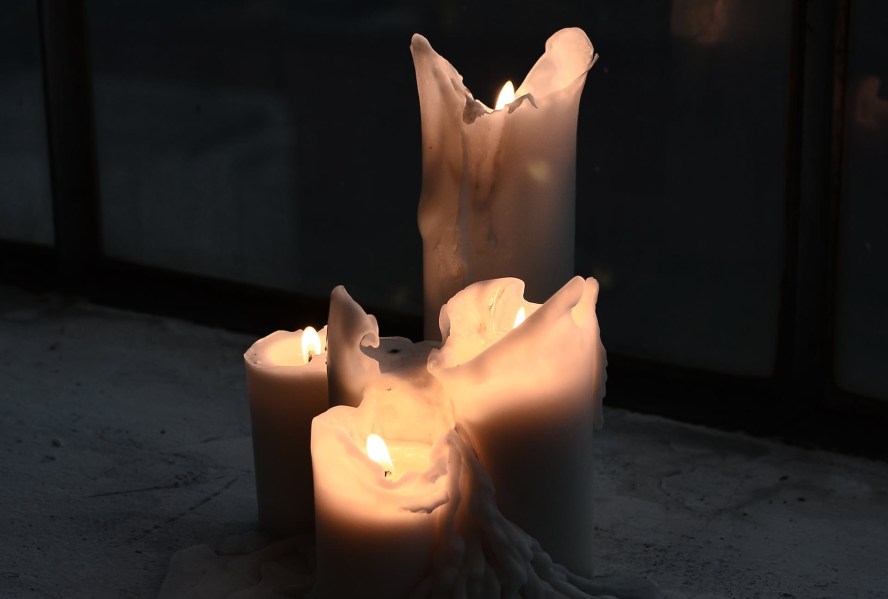
One of the most cherished rituals associated with the Festival of Diana is the lighting of bonfires. As the sun sets, people gather around these flickering flames, their warm glow illuminating the night sky. It is believed that these fires symbolize the power of transformation and renewal. Participants offer prayers and wishes to the goddess Diana, seeking her blessings for abundance and protection.
Another significant tradition is the weaving of flower crowns. Fragrant blossoms, carefully chosen and delicately intertwined, create stunning headdresses that adorn the heads of both women and men. These floral crowns symbolize the connection between humans and nature, reminding us of the beauty and harmony that exists in the natural world.
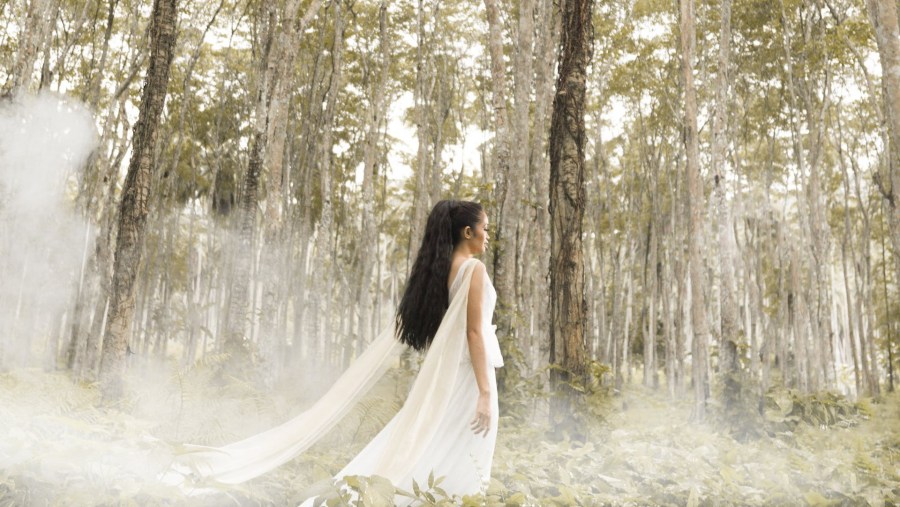
During the Festival of Diana, a sacred procession takes place, led by priestesses dressed in flowing white robes. They carry baskets filled with offerings of fruits, herbs, and flowers, symbolizing gratitude for the bountiful gifts of the earth. As the procession moves through the streets, the air is filled with music and joyful chants, creating an atmosphere of celebration and reverence.
Throughout the festival, various ceremonies and performances take place, showcasing the talents and creativity of the community. Traditional dances, storytelling, and theatrical performances bring ancient myths and legends to life, captivating the audience and connecting them to their ancestral heritage.
These rituals and traditions are not merely symbolic gestures; they hold deep meaning and serve as a reminder of our interconnectedness with the natural world. By participating in these age-old practices, we honor the divine feminine energy and express our gratitude for the abundance and beauty that surrounds us.
As the Festival of Diana continues to enchant and inspire, it reminds us of the importance of preserving our traditions and connecting with our roots. Through these rituals, we tap into the magic that lies within us and embrace the profound connection between nature, femininity, and the human spirit.
Exploring the magical elements of the celebration
One of the most magical elements of the festival is the setting itself. The celebration takes place in a lush forest, where ancient trees tower overhead, creating a canopy that seems to touch the heavens. The air is filled with the sweet scent of flowers, and the gentle rustling of leaves provides a soothing backdrop to the festivities. It is as if the forest itself comes alive during this time, welcoming all who enter with open arms.
Another enchanting aspect of the festival is the rituals and traditions that are observed. These rituals are designed to connect participants with the divine feminine energy that permeates the natural world. From dance ceremonies that mimic the movements of the wind to offerings made to the goddess Diana, each ritual is a deeply meaningful and transformative experience.
The festival also showcases the incredible talent and creativity of its participants. Artists, musicians, and performers come together to create a vibrant tapestry of color and sound. The air is filled with the melody of music and the sight of beautifully crafted costumes and artwork. It is a feast for the senses, a true celebration of human creativity and expression.
But perhaps the most magical element of the Festival of Diana is the sense of community and connection that is fostered during this time. People come together as strangers and leave as friends, united by their shared love for nature and their reverence for the divine feminine. It is a time when walls come down, and people open their hearts to one another, creating a space of love, acceptance, and understanding.
How the Festival promotes empowerment and equality
The Festival of Diana is not just a celebration of nature and femininity; it also serves as a platform to promote empowerment and equality. This enchanting festival embraces the spirit of inclusivity, encouraging individuals from all walks of life to come together and celebrate their unique identities.
One of the key ways in which the Festival promotes empowerment is by showcasing the strength and resilience of women. Throughout history, women have often been marginalized and their contributions overlooked. However, the Festival of Diana aims to shine a spotlight on the achievements of women, both past and present, and to inspire others to embrace their own power.
During the festival, various activities and workshops are organized to foster a sense of empowerment among attendees. These may include discussions on gender equality, self-care practices, and personal development. By providing a safe and supportive environment for individuals to share their experiences and learn from one another, the Festival of Diana encourages personal growth and self-empowerment.
Additionally, the festival promotes equality by challenging traditional gender roles and stereotypes. It celebrates the diversity of gender identities and encourages individuals to express themselves authentically, free from societal expectations. Through artistic performances, exhibitions, and interactive experiences, the Festival of Diana fosters an atmosphere of acceptance and understanding, where everyone is encouraged to embrace their true selves.
Furthermore, the festival actively supports initiatives and organizations that work towards gender equality and women’s rights. Whether through fundraising efforts, partnerships, or advocacy, the Festival of Diana aims to make a tangible difference in the fight for equality, both within its own community and beyond.
In conclusion, the Festival of Diana is more than just a celebration of nature and femininity. It is a powerful platform for promoting empowerment and equality, fostering personal growth, and challenging societal norms. By embracing these principles, the festival creates a magical and transformative experience for all who attend, leaving a lasting impact on the lives of its participants.
Embracing the spirit of the Festival in your own life
Embracing the spirit of the Festival of Diana is not limited to just attending the event itself. You can bring the magic and essence of this celebration into your own life, embracing nature and femininity in meaningful ways.
One way to connect with the festival’s spirit is by spending time in nature, whether it’s in a local park, your backyard, or even a nearby forest. Take a moment to appreciate the beauty around you, the vibrant colors, the soothing sounds, and the gentle breeze. Allow yourself to be fully present in the moment, soaking in the natural elements and feeling a sense of oneness with the earth.
Another way to embrace the festival’s spirit is by honoring femininity. This can mean different things to different people, but it ultimately involves celebrating and valuing the qualities of compassion, intuition, creativity, and strength that are often associated with femininity. Take time to explore your own femininity, whether through self-reflection, creative expression, or engaging in activities that make you feel empowered and connected to your inner self.
Additionally, you can incorporate rituals and traditions inspired by the festival into your own life. This could involve creating a personal altar dedicated to nature and femininity, performing rituals that honor the changing seasons, or participating in activities that promote self-care and self-discovery. These rituals can serve as reminders of the festival’s significance and help you cultivate a deeper connection with the natural world and your own feminine energy.
Finally, don’t forget to share the magic and joy of the Festival of Diana with others. Invite friends or loved ones to join you in your nature walks, host gatherings or workshops that celebrate femininity, or simply engage in conversations that promote a deeper appreciation for the beauty and power of nature. By spreading the spirit of the festival, you contribute to a collective sense of connection and reverence for the natural world.
Incorporating the essence of the Festival of Diana into your own life allows you to tap into a deeper understanding of nature, femininity, and the magic that surrounds us. By embracing these principles and infusing them into your daily routines, you can cultivate a sense of harmony, joy, and reverence for the world around you.
We hope you enjoyed diving into the enchanting world of the Festival of Diana with us. This ancient celebration holds a special place in honoring nature and femininity, and it’s a true testament to the power of ancient traditions that still resonate today. By embracing the magic and symbolism of the festival, we can reconnect with the natural world and celebrate the divine feminine within ourselves and others. May this blog post inspire you to explore the depths of this mystical celebration and embrace the beauty and strength that lies in the celebration of nature and femininity.
Tea Ceremony of Diana
LUNARIA
In celebration of the festival of Diana, the goddess of the hunt, nature, and the moon, a tea ceremony is organized to honor the connection between humanity and the natural world, reflecting Diana’s domains and virtues. This ceremony, named “Lunaria,” is designed to be held under the gentle glow of the moon, ideally during a full moon to fully capture the essence of Diana’s power. But it may be enjoyed during the festival.
The ceremony takes place in a serene outdoor setting, preferably in a forest clearing or a garden surrounded by natural beauty, where the moonlight can touch the gathering directly. The area is decorated with moon and forest-themed decor, including silver and green accents, representations of deer or hounds, and an altar dedicated to Diana with offerings of fruits, grains, and fresh water.
Participants:
Participants dress in light, flowing garments, with colors inspired by the night sky, moonlight, and natural foliage. They are encouraged to wear wreaths or headpieces made of silver leaves or branches to symbolize their connection to nature and Diana’s realm.
The Tea Ceremony:
1. The ceremony begins with an invocation to Diana, asking for her blessings, protection, and guidance. This is done by the lead celebrant, who is chosen for their knowledge of Diana and their ability to guide communal rituals.
2. Participants cleanse their hands in moon-blessed water, symbolizing the removal of impurities and preparation to receive Diana’s wisdom.
3. A special tea blend, embodying the essence of the forest and the moon, is prepared.
Ingredients:
Silver needle white tea, for purity
Jasmine, for the moon
Mint or rosemary, for the forest.
The tea is brewed in a transparent or moon-themed teapot, allowing the moonlight to infuse the tea with its energy.
4. As the tea steeps, participants are invited to meditate on their personal connection to nature and the ways they can live in harmony with the natural world, reflecting on Diana’s teachings and virtues.
5. The tea is served in cups that reflect the natural world, such as those made from clay or adorned with images of the forest and moon. Participants drink in silence, contemplating the interconnectedness of all life and the blessings of Diana.
6. After the tea, participants make personal offerings at the altar of Diana, such as poems, songs, or small tokens of nature. They share prayers or wishes for protection, guidance, and a deeper connection to the natural world.
7. The ceremony concludes with a communal thanksgiving to Diana for her blessings and a reaffirmation of the participants’ commitment to protecting and honoring nature. This is followed by a shared meal featuring foods that are in season and harvested sustainably, celebrating the bounty of the Earth.
Reflection:
After the ceremony, participants are encouraged to spend time in nature, reflecting on their experience and the ways they can embody Diana’s virtues in their daily lives, fostering a deeper respect for the natural world and its cycles.
 The Tea Witch Blog