The Eternal Legacy of May 24th: Celebrating the Birth of Diana With Tea Ceremony

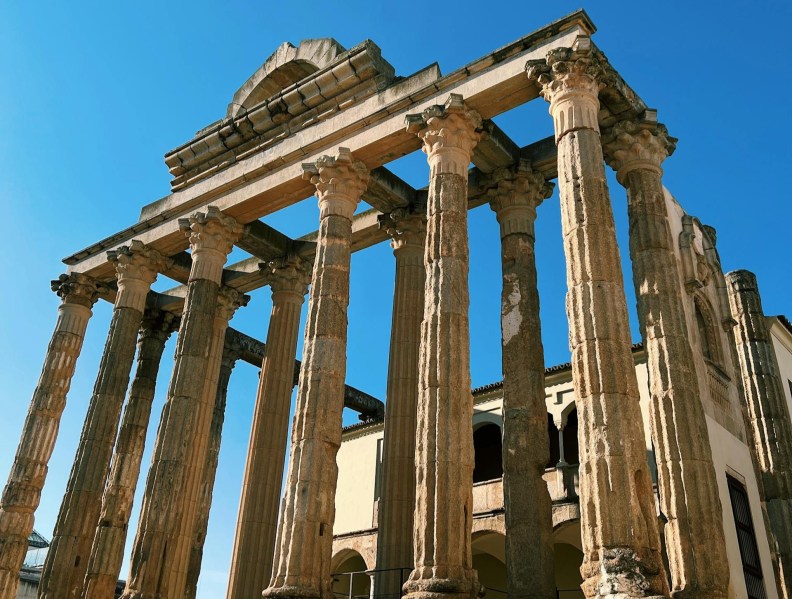
May 24th holds a special place in history as a day of reverence and celebration, dedicated to the birth of Diana, the Roman goddess of the hunt, the moon, and nature. Her legacy, rooted in ancient mythology, continues to inspire admiration and devotion in modern times. This article explores how Diana was historically honored and worshipped and how these traditions have evolved to the present day.

Ancient Reverence and Worship

In ancient Rome, Diana was a pivotal figure in both myth and daily life. She was revered not only as a huntress but also as a protector of women and children. Temples dedicated to Diana were scattered throughout the Roman Empire, the most famous being the Temple of Diana at Ephesus, one of the Seven Wonders of the Ancient World.

Festivals and Rituals

Nemoralia (Festival of Torches)
One of the most significant festivals in Diana’s honor was the Nemoralia, celebrated in August. Devotees would carry torches and candles around Lake Nemi, also known as “Diana’s Mirror,” in a nocturnal procession. This festival symbolized enlightenment and guidance through the darkness, reflecting Diana’s role as a lunar deity.

Offerings and Prayers
Worshippers would offer fruits, flowers, and sacrifices at her altars. Prayers for protection, fertility, and successful hunts were common. Women, in particular, sought Diana’s blessings for safe childbirth and health.

Sacred Groves
Diana’s worship was closely tied to natural surroundings. Sacred groves, like the one at Aricia near Lake Nemi, were considered her sanctuaries. These groves were places of pilgrimage where people would seek solace and spiritual connection with the goddess.


Modern-Day Honor and Worship

While the ancient practices have waned, the essence of Diana’s worship persists in contemporary spirituality, neo-paganism, and cultural celebrations. Here’s how Diana is honored today:

Neo-Pagan and Wiccan Traditions
Wiccan Sabbats
In modern Wicca, Diana is revered during specific Sabbats, particularly those that align with lunar phases and nature’s cycles. Rituals often involve moonlit ceremonies, reflecting her lunar association. Practitioners may invoke Diana for guidance, protection, and empowerment.

Nature Worship
Modern followers of Diana often engage in eco-spiritual practices. Celebrations in forests, by lakes, or under the night sky honor her connection to nature. These practices include tree planting, environmental activism, and meditations focused on the natural world.

Cultural Celebrations

Festivals and Events
In various parts of the world, festivals dedicated to Diana celebrate her mythological significance. These events often include reenactments of ancient rituals, storytelling, and artistic expressions like dance and music that pay homage to her legacy.

Art and Literature
Diana continues to inspire artists, writers, and filmmakers. Her image appears in contemporary art, literature, and media, symbolizing independence, strength, and the mystical connection between humanity and nature.

Personal Devotion

Altars and Shrines
Many individuals create personal altars or shrines dedicated to Diana in their homes or gardens. These spaces are adorned with symbols of the moon, hunting implements, and natural elements, serving as a focal point for daily devotion and meditation.

Spiritual Practices
Meditation, prayer, and rituals centered around the lunar cycles are common among those who honor Diana. These practices foster a personal connection with the goddess and her attributes.

The Timeless Appeal of Diana

Diana’s allure lies in her multifaceted nature. She embodies independence, strength, and a deep connection to the natural world, qualities that resonate across centuries and cultures. On May 24th, as we celebrate her birth, we acknowledge her enduring influence in both ancient and modern contexts.

From the torch-lit processions of ancient Rome to the moonlit rituals of today, Diana’s spirit endures, reminding us of our intrinsic bond with nature and the divine feminine. As we honor her, we continue a tradition that transcends time, celebrating a goddess whose legacy is as luminous as the moon she commands.

Celebrating the Birth of Diana With A Tea Ceremony and Feast

To honor the birth of Diana, the Roman goddess of the hunt, the moon, and nature, we can host a tea ceremony and feast that reflects her attributes and ancient traditions. This celebration will incorporate elements of nature, lunar symbolism, and traditional foods, creating a spiritual and festive atmosphere.

Tea Ceremony

Setting the Scene
Location
Ideally, host the ceremony outdoors in a garden, forest, or near a body of water to connect with Diana’s natural domains. If indoors, decorate with plants, flowers, and natural elements.

Altar
Create a small altar with symbols of Diana, such as a crescent moon, hunting tools (like a small bow and arrow), and images of animals. Place candles, preferably white or silver, to represent the moonlight, and fresh flowers.

Materials Needed:
– Teapot and cups
– Herbal tea blend (recipe below)
– Fresh flowers and herbs for decoration
– Candles
– Offering bowl

Herbal Tea Blend Recipe:
This tea blend uses herbs associated with Diana and the moon.

Ingredients:
– 1 part mugwort (for intuition and dreams)
– 1 part chamomile (for calm and healing)
– 1 part jasmine (for lunar energy and divination)
– 1 part lemon balm (for clarity and protection)
– Honey (optional, for sweetness)

Instructions:
1. Blend the dried herbs together and store in an airtight container.
2. To brew, place 1-2 teaspoons of the blend per cup of boiling water in the teapot.
3. Steep for 5-7 minutes.
4. Strain and serve with honey if desired.

Ceremony Steps
Opening Invocation
Light the candles and say a prayer or invocation to Diana, asking for her presence and blessings.

“Great Diana, goddess of the hunt, the moon, and nature, we honor you on this sacred day of your birth. Bless us with your wisdom, strength, and protection.”

Tea Brewing
Brew the tea with moon water. As the tea steeps, meditate on Diana’s qualities and how they can inspire you. Visualize the moonlight infusing the tea with her energy.

Pouring and Sharing
Pour the tea into cups and share it with your guests. As you drink, take a moment to reflect on Diana’s influence in your life and offer a silent or spoken gratitude.

Offerings
Place a small portion of tea and some flowers or herbs in the offering bowl as a gift to Diana.

Closing
Thank Diana for her presence and extinguish the candles, symbolizing the end of the ceremony.

Feast

Following the tea ceremony, a feast can further honor Diana with dishes that celebrate nature, the hunt, and traditional Italian flavors.

Menu!

Appetizer: Wild Mushroom and Herb Crostini

Main Course: Venison Stew with Root Vegetables

Side Dish: Farro Salad with Seasonal Vegetables

Dessert: Honey and Almond Cake
Beverage: Herbal Moon Elixir (non-alcoholic)

Recipes!

Wild Mushroom and Herb Crostini

Ingredients:
– 1 baguette, sliced
– 2 cups mixed wild mushrooms, cleaned and sliced
– 3 tbsp olive oil
– 2 cloves garlic, minced
– 1 tbsp fresh thyme
– 1 tbsp fresh rosemary
– Salt and pepper to taste
– Fresh parsley, chopped (for garnish)

Instructions:
1. Preheat the oven to 375°F (190°C).
2. Arrange the baguette slices on a baking sheet and brush with olive oil. Toast in the oven until golden brown.
3. In a skillet, heat the remaining olive oil over medium heat. Add the garlic and cook until fragrant.
4. Add the mushrooms, thyme, and rosemary. Cook until the mushrooms are tender and browned.
5. Season with salt and pepper. Spoon the mushroom mixture onto the toasted baguette slices.
6. Garnish with fresh parsley and serve warm.


Venison Stew with Root Vegetables

Ingredients:
– 2 lbs venison stew meat, cubed
– 3 tbsp olive oil
– 1 large onion, chopped
– 3 cloves garlic, minced
– 4 cups beef or vegetable broth
– 2 cups red wine
– 3 carrots, sliced
– 3 parsnips, sliced
– 2 potatoes, cubed
– 2 bay leaves
– 1 tbsp fresh thyme
– Salt and pepper to taste

Instructions:
1. In a large pot, heat the olive oil over medium-high heat. Add the venison and brown on all sides.
2. Remove the venison and set aside. In the same pot, add the onion and garlic and sauté until softened.
3. Return the venison to the pot and pour in the broth and red wine. Add the carrots, parsnips, potatoes, bay leaves, and thyme.
4. Bring to a boil, then reduce the heat to low and simmer for 1.5 to 2 hours, or until the venison and vegetables are tender.
5. Season with salt and pepper to taste. Remove the bay leaves before serving.


Farro Salad with Seasonal Vegetables

Ingredients:
– 1 cup farro
– 2 cups water or vegetable broth
– 1 cup cherry tomatoes, halved
– 1 cucumber, diced
– 1 bell pepper, diced
– 1/4 red onion, finely chopped
– 1/4 cup fresh parsley, chopped
– 1/4 cup fresh basil, chopped
– 3 tbsp olive oil
– 2 tbsp balsamic vinegar
– Salt and pepper to taste

Instructions:
1. Rinse the farro under cold water. In a medium pot, combine farro and water or broth. Bring to a boil, then reduce heat and simmer for about 25-30 minutes, or until farro is tender.
2. Drain any excess liquid and let the farro cool.
3. In a large bowl, combine the cooked farro, cherry tomatoes, cucumber, bell pepper, red onion, parsley, and basil.
4. In a small bowl, whisk together the olive oil and balsamic vinegar. Pour over the salad and toss to combine.
5. Season with salt and pepper to taste. Serve chilled or at room temperature.


Honey and Almond Cake

Ingredients:
– 1 cup all-purpose flour
– 1 cup almond flour
– 1/2 tsp baking powder
– 1/2 tsp baking soda
– 1/4 tsp salt
– 1/2 cup unsalted butter, softened
– 1/2 cup honey
– 2 large eggs
– 1/2 cup plain Greek yogurt
– 1 tsp vanilla extract
– 1/2 cup sliced almonds, for topping

Instructions:
1. Preheat your oven to 350°F (175°C). Grease and flour an 8-inch round cake pan.
2. In a medium bowl, whisk together the all-purpose flour, almond flour, baking powder, baking soda, and salt.
3. In a large bowl, beat the butter and honey together until light and fluffy. Add the eggs one at a time, beating well after each addition.
4. Mix in the yogurt and vanilla extract.
5. Gradually add the dry ingredients to the wet ingredients, mixing until just combined.
6. Pour the batter into the prepared cake pan and smooth the top. Sprinkle the sliced almonds evenly over the top.
7. Bake for 25-30 minutes, or until a toothpick inserted into the center comes out clean.
8. Allow the cake to cool in the pan for 10 minutes, then transfer to a wire rack to cool completely before serving.


Herbal Moon Elixir (Non-Alcoholic)

Ingredients:
– 4 cups moon water
– 1 tbsp dried lavender
– 1 tbsp dried chamomile
– 1 tbsp dried lemon balm
– 1 tbsp dried mint
– 1/4 cup honey
– 1 tbsp fresh lemon juice
– Fresh mint leaves and lemon slices for garnish

Instructions:
1. In a large pot, bring the moon water to a boil. Remove from heat and add the dried lavender, chamomile, lemon balm, and mint.
2. Cover and let steep for 15-20 minutes.
3. Strain the tea into a pitcher and stir in the honey and lemon juice until the honey is dissolved.
4. Let the elixir cool to room temperature, then refrigerate until chilled.
5. Serve over ice, garnished with fresh mint leaves and lemon slices.


Conclusion

This tea ceremony and feast are designed to honor Diana with a blend of traditional flavors and natural elements. By incorporating symbols of the goddess and the natural world, you create a meaningful and immersive celebration that pays tribute to Diana’s realms and attributes.

Solar Eclipse Tea Ceremony: Honoring the Dance of Light and Shadow

April 8th, 2024

The phenomenon of a solar eclipse has long held a place of wonder and mystique in the human psyche. Across cultures and epochs, these celestial events have been viewed as powerful omens, bringing with them a profound impact on the natural world and the inner landscapes of human consciousness. The solar eclipse of April 8th, 2024, is no exception, positioned to cast its shadow across realms both seen and unseen, imbued with a significance that beckons to those sensitive to the more subtle vibrations of our universe.

A Cosmic Alignment

At its core, a solar eclipse occurs when the moon positions itself directly between the Earth and the Sun, obscuring the Sun’s light and casting a shadow upon the Earth. This alignment is not just a spectacular visual event; it is a convergence of celestial energies that has a deep magickal resonance. The sun, symbolizing life, light, and vitality, temporarily cloaked by the moon—emblematic of intuition, the subconscious, and the hidden aspects of life—creates a moment of balance between opposing forces, a fusion of light and darkness.

The Portal Opens: April 8th, 2024

The solar eclipse of April 8th, 2024, holds particular significance due to its timing and visibility. Occurring on a Monday—a day traditionally associated with the moon—amplifies its connection to the lunar energies and intuition. This eclipse serves as a powerful portal, an opening to deeper understanding and heightened spiritual awareness. It is a time when the veil between worlds is at its thinnest, allowing for an unprecedented flow of universal energies and making it an ideal moment for magickal workings, deep meditation, and the setting of intentions for personal growth and transformation.

Magickal Properties and Practices

During this eclipse, the energies are ripe for practices aimed at internal development and the exploration of the shadow self. It is an opportune moment for:

Shadow Work
Delving into the unconscious, confronting hidden aspects of oneself, and initiating healing.

Divination
Using tarot, runes, or other tools to gain insights into the past, present, and future.

Manifestation
Setting intentions or casting spells focused on new beginnings, personal growth, and the banishment of negative energies.

Meditation and Ritual
Engaging in rituals that honor the balance of light and darkness, or meditating to connect with higher consciousness and the universal energy.

A Time of Transformation

The solar eclipse on April 8th, 2024, is more than just an astronomical event; it is a celestial beacon for transformation and growth. It reminds us of the cyclic nature of existence, the eternal dance of light and shadow, and the power of moments of transition. For those attuned to the magickal dimensions of life, this eclipse offers a unique opportunity to align with cosmic energies, deepen spiritual practices, and embrace the transformative power of the cosmos.

Tea Ceremony

The solar eclipse on April 8th, 2024, offers a rare opportunity to celebrate the celestial dance between the sun and the moon. This ceremony combines the tranquility of a tea ritual with the culinary delight of specially prepared foods, creating a holistic experience that honors the energies of this unique day. As April 8th is also the Day of Mooncakes, honoring the Moon Goddess, a special emphasis is placed on the mooncake, a traditional delicacy symbolizing reunion and completeness. There is no coincidence that the solar eclipse so happens to have also fallen on this blessed day.

Setting the Scene

Choose a tranquil, comfortable location with a view of the sky (if possible). Decorate your space with symbols of the sun and moon—think of using yellow and silver colors, crystals like citrine and moonstone, and flowers that bloom in the daylight or moonlight. Begin just before the eclipse starts, to fully embrace the transition of energies.

Tea Eclipse Blend

Ingredients:
– Black tea (representing the shadow)
– Jasmine flowers (for the moon)
– Orange peel (for the sun)
– A pinch of gold edible glitter (for celestial sparkle)

Preparation:
1. Blend the black tea, jasmine flowers, and orange peel in equal parts.
2. Boil water and let it cool for about a minute to avoid burning the delicate jasmine.
3. Steep the tea blend for 3-4 minutes.
4. Pour into cups and sprinkle a pinch of gold edible glitter into each for a cosmic shimmer.

Eclipse Ritual Recipes

Sunshine Fruit Platter:
Arrange a platter of sun-colored fruits—think mangoes, oranges, and peaches. Cut them into sun and star shapes to celebrate the daylight being obscured.

Shadow Berry Skewers:
Thread blackberries, blueberries, and dark grapes onto skewers, symbolizing the shadow that the moon casts over the earth during an eclipse.

Mooncake Recipe: Honoring the Moon Goddess

Ingredients:
– For the Filling:
  – 1 cup red bean paste (or lotus seed paste)
  – 1/4 cup chopped nuts (optional, for texture)
– For the Dough:
  – 1 cup all-purpose flour
  – 1/4 cup golden syrup
  – 1/2 teaspoon alkaline water
  – 2 tablespoons vegetable oil
  – 1 egg yolk, beaten (for glazing)

Preparation:
1. Make the Dough: Mix the golden syrup, alkaline water, and vegetable oil in a bowl. Sift in the flour, and mix until a dough forms. Cover and let it rest for 2 hours.
2. Prepare the Filling: If you choose, mix the red bean paste with chopped nuts for added texture.
3. Form the Mooncakes: Divide the dough and filling into equal portions. Wrap the filling with the dough, then press into a mooncake mold. If you do not have a mold, you can simply form them into crescent moon shapes.
4. Bake: Preheat your oven to 375°F (190°C). Place the mooncakes on a baking sheet and brush with beaten egg yolk. Bake for 10-12 minutes, or until golden.
5. Cool and Serve: Allow the mooncakes to cool completely before serving. They symbolize the full moon and the Moon Goddess’s blessings.

Closing the Ceremony

Partake in this ceremony as the eclipse starts. As it reaches totality, take part in a group meditation to connect with the energies of the eclipse. Honor the Sun and Moon with your energy and intentions. As the eclipse concludes and the sunlight begins to return, reflect on the experience, the celestial energies, and the connection felt with the universe. Share thoughts and feelings with your guests, and close with a collective moment of gratitude for the beauty and wonder of the cosmos.

This tea ceremony and accompanying recipes offer a way to engage with the magickal energies of the solar eclipse, creating a space for reflection, celebration, and culinary delight. Enjoy the profound connection to the celestial dance, and may the balance of light and shadow bring harmony and insight.

In conclusion, as the shadow of the moon obscures the sun on this auspicious day, let us remember the magickal significance of this event. It is a time to reflect, to look inward, and to embrace the mysteries that lie in the darkness, knowing that from this darkness comes light, growth, and profound transformation.

Ostara: History, Tea, Recipes

As the chill of winter begins to thaw and the first green sprouts emerge, many around the world turn their thoughts to the Spring Equinox, a time of balance, renewal, and rejuvenation. This period, often occurring around March 20th or 21st in the Northern Hemisphere, marks a pivotal point when day and night are of equal length, heralding the arrival of spring. One of the most enchanting celebrations associated with this time is Ostara, a festival that intertwines ancient traditions with modern festivities.

The Roots of Ostara

Ostara, named after the Germanic goddess Eostre, is deeply embedded in the lore of early Germanic tribes and Anglo-Saxons. Eostre, a deity symbolizing dawn, renewal, and rebirth, was believed to bring about the revitalization of the land and its creatures. This connection between the goddess and the season’s burgeoning life led to the celebration of Ostara as a time of renewal and rebirth.

Although direct historical accounts of ancient Ostara celebrations are scarce, it’s widely accepted that the festival was a time of communal joy, marked by feasting, the exchange of gifts, and the decoration of eggs — a symbol of new life and fertility.

The Spring Equinox Across Cultures

The Spring Equinox has been a significant event across various cultures and epochs, each adding its unique traditions to the tapestry of springtime celebrations. In ancient Rome, the festival of Cybele celebrated the rebirth of nature and the goddess’s consort, Attis. The Celts observed this time with festivities honoring the balance of light and dark, while in Japan, the vernal equinox is a national holiday known as Shunbun no Hi, a time to honor ancestors and celebrate the natural world.

Modern Celebrations of Ostara and the Spring Equinox

Today, Ostara and the Spring Equinox are celebrated by many, particularly those with an interest in ancient traditions and paganism. Here are a few ways to embrace the spirit of renewal and balance:

Decorate Eggs
Egg decorating is a timeless tradition that symbolizes fertility, purity, and rebirth. Whether painted, dyed, or drawn on, these vibrant symbols of life can decorate your home or be gifted to loved ones.

Plant New Life
Sowing seeds or planting flowers is a tangible way to connect with the essence of Ostara — the renewal of the earth. This act symbolizes new beginnings and the potential for growth, both in the garden and in oneself.

Spring Equinox Rituals
Many celebrate the equinox with rituals that focus on balance and renewal. This might include meditations that reflect on personal growth, the setting of intentions for the coming months, or simply watching the sunrise or sunset to honor the balance of day and night.

Festive Gatherings
Hosting a feast with seasonal foods that honor the fertility of the earth is a wonderful way to celebrate. Think fresh greens, dairy products, eggs, and sprouted grains — foods that embody the essence of spring.

Nature Walks
Taking a walk in nature, observing the budding flowers and the awakening wildlife, is a simple yet profound way to connect with the energy of Ostara and the Spring Equinox. It’s a reminder of the cycle of life, death, and rebirth that the season represents.

Ostara Tea Ceremony

The celebration of Ostara, marking the spring equinox and the reawakening of the earth, is a perfect occasion for a tea ceremony that honors renewal, balance, and the burgeoning life around us. This ceremony is designed to be a meditative, rejuvenating experience that connects you with the essence of spring and the cycles of nature.

Preparing the Space

Choose a Quiet Spot. Ideally, this ceremony should take place in a garden or a space where you can see or feel connected to the outdoors. If indoors, surround yourself with plants or flowers to invite nature in.

Create a Serene Atmosphere. Use candles or soft, natural lighting. If possible, incorporate symbols of Ostara, such as decorated eggs or images of rabbits and hares, symbols of fertility and new beginnings.

Cleanse the Space. You may choose to burn sage, sweetgrass, or lavender to purify the area and create a sacred environment for your ceremony.

Ostara Tea Recipe

For this special occasion, crafting your own tea blend adds a personal and meaningful touch. Here’s a recipe that captures the essence of spring:

2 tsp Green Tea
The base of your blend, green tea represents renewal and rejuvenation.

1 tsp Dried Dandelion Leaves
A symbol of the sun’s energy, dandelion aids in purification and new beginnings.

1 tsp Rose Petals
Invokes love and passion, adding beauty and a hint of sweetness.

1/2 tsp Lavender
Adds a calming, aromatic quality, inviting peace and balance.

1/2 tap Lemon Balm
A touch of lemon balm for its uplifting and soothing properties, enhancing joy and clarity.

Instructions:

1. Mix all the dry ingredients gently in a bowl. Take a moment to connect with each ingredient, acknowledging its role in your blend and the qualities it brings to your ceremony.
2. Boil water and let it cool for about a minute to approximately 80°C (175°F). This temperature preserves the delicate flavors of your herbs and green tea.
3. Place your blend in a teapot. Use about one teaspoon of the tea blend per cup of water.
4. Pour the hot water over your tea blend and let it steep for 3-5 minutes, depending on your taste preference.
5. While the tea steeps, take this time to meditate on the themes of Ostara: balance, renewal, and new beginnings. Reflect on what you wish to renew in your life.

The Ceremony

Serve the tea in a cup that you feel is special or significant. If you’re with others, serve them first as an act of kindness and community. Before drinking, inhale the aroma of your tea, fully experiencing its scent. As you take your first sip, close your eyes and focus on the flavors, letting the tea’s warmth spread through your body. After enjoying your tea, spend a few moments reflecting on the aspects of your life you wish to renew or change. Write down your intentions for the coming season on a piece of paper. To close your ceremony, express gratitude for the tea, the company, and the opportunity for new beginnings. If you wrote down intentions, you might choose to bury them in the earth as a symbolic gesture of planting seeds for the future.

This Ostara tea ceremony and recipe offer a pathway to connect with the cyclical nature of life, celebrate the balance of light and darkness, and embrace the promise of renewal and growth. May it bring you peace, balance, and joy as you step into the vibrancy of spring.

Ostara Food Recipes

The following recipes are designed to embody the essence of Ostara, using ingredients that are symbolic of the season and that harmonize the principles of light and dark, warmth and coolness, growth and renewal.

Ostara Balance Bowl

Ingredients

1 cup of cooked quinoa (warmth and sustenance)
1 cup of fresh baby spinach (greenery and renewal)
½ cup of sliced strawberries (sweetness and growth)
½ cup of raw, sliced beets (earthiness and grounding)
¼ cup of crumbled feta cheese (creamy texture and balance)
¼ cup of walnuts, toasted (crunch and nourishment)
2 hard-boiled eggs, sliced (fertility and new beginnings)
A drizzle of honey mustard dressing (sweet and tangy balance)

Honey Mustard Dressing:

3 tablespoons of olive oil
1 tablespoon of apple cider vinegar
1 tablespoon of honey
1 tablespoon of mustard
Salt and pepper to taste

Instructions

1. Prepare the Dressing:
In a small bowl, whisk together olive oil, apple cider vinegar, honey, and mustard. Season with salt and pepper to taste. Set aside.
2. Assemble the Bowl:
Start with a base of cooked quinoa. Arrange the baby spinach, sliced strawberries, sliced beets, and crumbled feta cheese beautifully around the bowl.
3. Add Protein and Crunch:
Place the sliced hard-boiled eggs and toasted walnuts on top for a blend of protein and crunchy texture.
4. Dress and Serve:
Drizzle the honey mustard dressing over the bowl just before serving.

This Ostara Balance Bowl is a celebration of the equinox’s balance, offering a variety of textures and flavors that nourish the body and spirit.

Spring Renewal Asparagus Tart

Ingredients

1 sheet of puff pastry (thawed if frozen)
1 pound of fresh asparagus, trimmed (renewal and vitality)
1 cup of ricotta cheese (creaminess and lightness)
Zest of 1 lemon (brightness and zest for life)
1 tablespoon of olive oil
Salt and pepper to taste
2 tablespoons of Parmesan cheese, grated (a touch of umami)
Fresh herbs (dill or chives) for garnish

Instructions

1. Preheat the Oven:
Preheat your oven to 400°F (200°C). Line a baking sheet with parchment paper.
2. Prepare the Puff Pastry:
Roll out the puff pastry on the prepared baking sheet. With a knife, gently score a border about 1 inch from the edge, being careful not to cut all the way through.
3. Mix Ricotta and Lemon Zest:
In a small bowl, combine ricotta cheese with lemon zest, salt, and pepper. Spread this mixture evenly within the border of the puff pastry.
4. Arrange the Asparagus:
Lay the asparagus spears on top of the ricotta in a single layer. Depending on their size, you can align them side by side or overlap slightly. Drizzle with olive oil and season with a bit more salt and pepper.
5. Bake:
Bake in the preheated oven for about 20-25 minutes, or until the pastry is puffed and golden and the asparagus is tender.
6. Garnish and Serve:
Once out of the oven, sprinkle with grated Parmesan and fresh herbs. Slice and serve warm.

This Spring Renewal Asparagus Tart is a delightful nod to the awakening earth, combining the tender, green spears of asparagus with the bright zest of lemon and the richness of cheese, all encased in a flaky, buttery crust. It’s a dish that beautifully balances the freshness of spring with the warmth and comfort of baked pastry, making it a perfect celebration of Ostara’s themes of renewal and balance.

Lemon and Lavender Ostara Cake

This Lemon and Lavender Ostara Cake is a light, refreshing dessert that captures the essence of spring and celebrates the balance and renewal that Ostara represents. The combination of lemon and lavender not only provides a vibrant flavor but also symbolizes the awakening of the senses and the earth’s rebirth. This cake is perfect for an Ostara feast, embodying the joy and vitality of the season.

Ingredients
For the Cake:
2 cups all-purpose flour
1 ½ teaspoons baking powder
½ teaspoon baking soda
¼ teaspoon salt
¾ cup unsalted butter, softened
1 cup granulated sugar
3 large eggs, at room temperature
Zest of 2 lemons (about 2 tablespoons)
1 tablespoon dried culinary lavender
½ cup whole milk
¼ cup lemon juice

For the Lemon Glaze:
1 cup powdered sugar, sifted
2 tablespoons lemon juice
1 teaspoon lemon zest
Optional for garnish: edible flowers (such as violets or rose petals), additional lemon zest, and lavender sprigs

Instructions:

1. Preheat and Prep:
Preheat your oven to 350°F (175°C). Grease and flour a 9-inch round cake pan, lining the bottom with parchment paper for easy removal.

2. Combine Dry Ingredients:
In a bowl, whisk together the flour, baking powder, baking soda, and salt. Set aside.

3. Infuse Lavender:
Warm the milk gently in a saucepan (do not boil), remove from heat, and add the dried lavender. Let it steep for about 5 minutes, then strain, removing the lavender. Allow the milk to cool.

4. Cream Butter and Sugar:
In a large mixing bowl, beat the softened butter and granulated sugar until light and fluffy. Add the eggs, one at a time, beating well after each addition. Stir in the lemon zest.

5. Add Dry and Wet Ingredients Alternately:
Alternately add the dry ingredients and the infused milk to the butter mixture, starting and ending with the dry ingredients. Finally, stir in the lemon juice until just combined.

6. Bake:
Pour the batter into the prepared cake pan and smooth the top. Bake for 30-35 minutes, or until a toothpick inserted into the center comes out clean. Let the cake cool in the pan for 10 minutes, then turn out onto a wire rack to cool completely.

7. Prepare the Lemon Glaze:
While the cake cools, whisk together the powdered sugar, lemon juice, and lemon zest until smooth. Adjust the consistency with a little more lemon juice or powdered sugar if needed.

8. Decorate:
Once the cake has cooled, drizzle the glaze over the top, allowing some to drip down the sides. Garnish with edible flowers, additional lemon zest, and lavender sprigs for a festive and beautiful presentation.

This Lemon and Lavender Ostara Cake is not just a dessert; it’s a celebration of spring’s arrival, the balance of light, and the renewal of the earth. Its bright, floral flavors are perfectly suited for an Ostara gathering, offering a sweet conclusion to a meal that honors this time of rejuvenation and new beginnings. Enjoy this cake as a symbol of the joy and vitality that the season of spring brings.

Conclusion

The celebration of Ostara and the Spring Equinox is a beautiful reminder of nature’s cycles of renewal and the balance within the universe and ourselves. Whether through ancient rituals or simple, mindful appreciation of the changing season, embracing the spirit of Ostara can be a rejuvenating and transformative experience. As we move forward into the warmth and vitality of spring, let us carry with us the lessons of balance, renewal, and growth.

Celebrating Cake Day: Honoring the Divine and Ancestors with Sweet Offerings

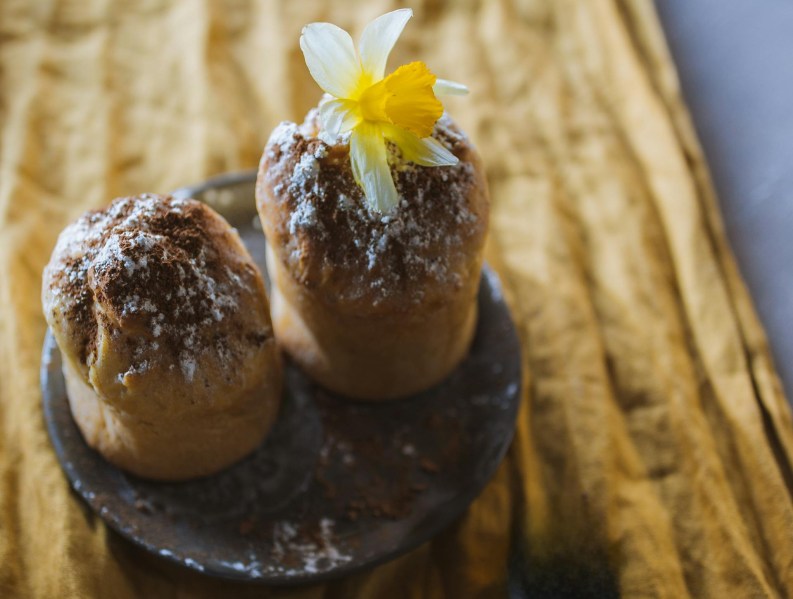
February 28th marks a unique and heartwarming tradition known as Cake Day. This day is dedicated to the celebration of love, remembrance, and reverence through the universal language of cakes. It is a day when people across various cultures come together to bake and share little cakes as offerings to honor the gods and goddesses or to remember and pay homage to their ancestors. Cake Day is not just about indulging in sweet treats; it’s about the spirit of giving, sharing, and commemorating those who have left a lasting impact on our lives.


The Significance of Cakes in Rituals

Cakes have been a part of human celebrations and rituals for centuries. In many traditions, cakes are considered symbols of abundance, sweetness, and the joy of life. On Cake Day, these connotations take on a spiritual and ancestral significance. The act of baking and offering cakes is seen as a gesture of respect and gratitude towards the deities and ancestors, acknowledging their blessings and guidance in our lives.


Making Little Cakes: A Simple Recipe

To participate in the celebration of Cake Day, you don’t need to be a professional baker. Here’s a simple recipe for making little cakes that can be offered as part of your observance:

Ingredients:
– 1 cup all-purpose flour
– 1/2 cup sugar
– 1/4 cup butter, softened
– 1/4 cup milk
– 1 egg
– 1/2 teaspoon baking powder
– 1/4 teaspoon vanilla extract
– A pinch of salt

Instructions:
1. Preheat your oven to 350°F (175°C).
2. In a mixing bowl, cream together the butter and sugar until light and fluffy.
3. Beat in the egg and vanilla extract.
4. In another bowl, whisk together the flour, baking powder, and salt.
5. Gradually add the dry ingredients to the creamed mixture alternately with milk, starting and ending with the flour mixture. Mix until just combined.
6. Spoon the batter into greased mini muffin tins or small cake molds.
7. Bake for 10-15 minutes, or until a toothpick inserted into the center of a cake comes out clean.
8. Allow the cakes to cool before decorating them as desired or leaving them plain for a simple offering.


Cake Day Tea Ceremony

The Cake Day Tea Ceremony is a serene and heartfelt ritual that combines the simplicity of tea, the sweetness of cakes, and the beauty of flowers to honor and remember our ancestors. This ceremony is designed to create a moment of reflection, gratitude, and connection to our past, bridging the gap between the physical and spiritual worlds with each sip of tea and bite of cake. Here’s how you can conduct your own Cake Day Tea Ceremony:

Setting the Space
Find a quiet and comfortable space where you can set up a small altar or table for the ceremony. This space should be clean and arranged in a way that feels peaceful and sacred to you. On your altar or table, place a clean cloth. Arrange little cakes you’ve baked for the occasion along with fresh flowers, which symbolize the beauty and impermanence of life, such as irises or daffodils. You may also include photographs of your ancestors, heirlooms, or any other items that connect you to your heritage and loved ones who have passed.

Prepare the Tea
Select a tea that resonates with you spiritually or culturally. It could be a tea that your ancestors enjoyed or one that holds a particular meaning to your family. Before the ceremony, prepare the tea with mindfulness and care, pouring your intentions of honor and remembrance into every step.
My personal favorite on this day is a blend of oolong tea with chamomile and dried pear pieces.


Conducting the Ceremony
Begin the ceremony by lighting a candle to welcome the presence of your ancestors. This act symbolizes the light of their spirits and the warmth of their guidance in your life. Offer the tea and cakes and pour the tea into cups, placing them on the altar as offerings to your ancestors. Next to the cups, arrange the little cakes and flowers. As you do this, speak the names of the ancestors you wish to honor, or simply hold them in your heart with gratitude.

Sit in silence for a few minutes, allowing yourself to feel the presence of your ancestors. Reflect on the lessons they’ve taught you, the love they’ve shared, and the ways in which they’ve influenced your life. After spending a few moments in reflection, consume the tea and cakes yourself or share them with others present. This act symbolizes the sharing of wisdom, love, and blessings between the living and the dead, ensuring that the legacy of your ancestors is kept alive through you.

Conclude the ceremony by expressing your thanks to your ancestors for their presence and blessings. Blow out the candle to signify the end of the ceremony, carrying forward the warmth and light they’ve brought into your life.


Reflection
The Cake Day Tea Ceremony is an intimate and powerful way to connect with your ancestors and pay homage to their enduring presence in your life. Through the simple acts of sharing tea and cakes, you not only honor their memory but also weave their legacy into the fabric of your daily life. Let this ceremony be a reminder of the sweetness and love that transcends the boundaries of time and space, bringing you closer to your roots and heritage.


Conclusion
Cake Day is a beautiful tradition that brings together the sweetness of cakes and the depth of spiritual and ancestral respect. By baking little cakes and participating in a tea ceremony, we create a space to honor the divine and remember our ancestors. This celebration reminds us of the beauty of tradition, the importance of gratitude, and the universal language of food in expressing love and reverence. Let’s embrace Cake Day as an opportunity to connect with our roots and spread sweetness and joy in our communities.