The Eternal Legacy of May 24th: Celebrating the Birth of Diana With Tea Ceremony

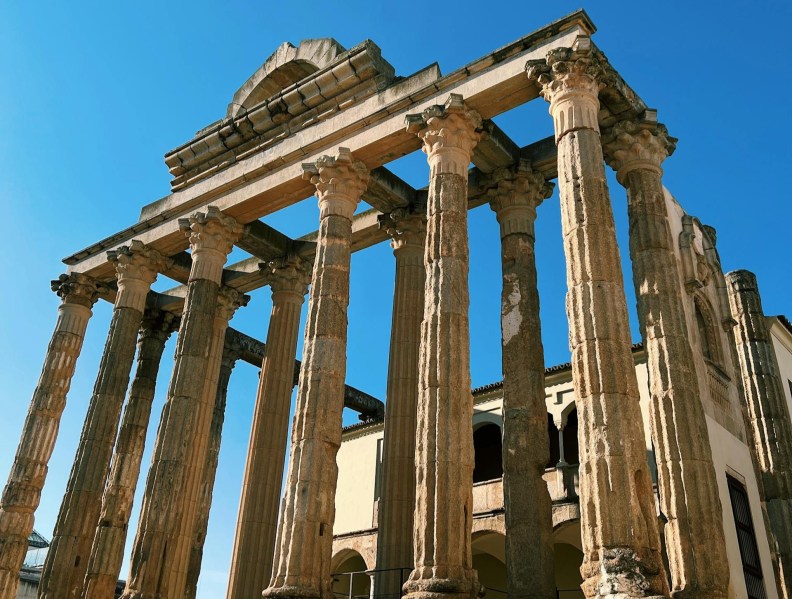
May 24th holds a special place in history as a day of reverence and celebration, dedicated to the birth of Diana, the Roman goddess of the hunt, the moon, and nature. Her legacy, rooted in ancient mythology, continues to inspire admiration and devotion in modern times. This article explores how Diana was historically honored and worshipped and how these traditions have evolved to the present day.

Ancient Reverence and Worship

In ancient Rome, Diana was a pivotal figure in both myth and daily life. She was revered not only as a huntress but also as a protector of women and children. Temples dedicated to Diana were scattered throughout the Roman Empire, the most famous being the Temple of Diana at Ephesus, one of the Seven Wonders of the Ancient World.

Festivals and Rituals

Nemoralia (Festival of Torches)
One of the most significant festivals in Diana’s honor was the Nemoralia, celebrated in August. Devotees would carry torches and candles around Lake Nemi, also known as “Diana’s Mirror,” in a nocturnal procession. This festival symbolized enlightenment and guidance through the darkness, reflecting Diana’s role as a lunar deity.

Offerings and Prayers
Worshippers would offer fruits, flowers, and sacrifices at her altars. Prayers for protection, fertility, and successful hunts were common. Women, in particular, sought Diana’s blessings for safe childbirth and health.

Sacred Groves
Diana’s worship was closely tied to natural surroundings. Sacred groves, like the one at Aricia near Lake Nemi, were considered her sanctuaries. These groves were places of pilgrimage where people would seek solace and spiritual connection with the goddess.


Modern-Day Honor and Worship

While the ancient practices have waned, the essence of Diana’s worship persists in contemporary spirituality, neo-paganism, and cultural celebrations. Here’s how Diana is honored today:

Neo-Pagan and Wiccan Traditions
Wiccan Sabbats
In modern Wicca, Diana is revered during specific Sabbats, particularly those that align with lunar phases and nature’s cycles. Rituals often involve moonlit ceremonies, reflecting her lunar association. Practitioners may invoke Diana for guidance, protection, and empowerment.

Nature Worship
Modern followers of Diana often engage in eco-spiritual practices. Celebrations in forests, by lakes, or under the night sky honor her connection to nature. These practices include tree planting, environmental activism, and meditations focused on the natural world.

Cultural Celebrations

Festivals and Events
In various parts of the world, festivals dedicated to Diana celebrate her mythological significance. These events often include reenactments of ancient rituals, storytelling, and artistic expressions like dance and music that pay homage to her legacy.

Art and Literature
Diana continues to inspire artists, writers, and filmmakers. Her image appears in contemporary art, literature, and media, symbolizing independence, strength, and the mystical connection between humanity and nature.

Personal Devotion

Altars and Shrines
Many individuals create personal altars or shrines dedicated to Diana in their homes or gardens. These spaces are adorned with symbols of the moon, hunting implements, and natural elements, serving as a focal point for daily devotion and meditation.

Spiritual Practices
Meditation, prayer, and rituals centered around the lunar cycles are common among those who honor Diana. These practices foster a personal connection with the goddess and her attributes.

The Timeless Appeal of Diana

Diana’s allure lies in her multifaceted nature. She embodies independence, strength, and a deep connection to the natural world, qualities that resonate across centuries and cultures. On May 24th, as we celebrate her birth, we acknowledge her enduring influence in both ancient and modern contexts.

From the torch-lit processions of ancient Rome to the moonlit rituals of today, Diana’s spirit endures, reminding us of our intrinsic bond with nature and the divine feminine. As we honor her, we continue a tradition that transcends time, celebrating a goddess whose legacy is as luminous as the moon she commands.

Celebrating the Birth of Diana With A Tea Ceremony and Feast

To honor the birth of Diana, the Roman goddess of the hunt, the moon, and nature, we can host a tea ceremony and feast that reflects her attributes and ancient traditions. This celebration will incorporate elements of nature, lunar symbolism, and traditional foods, creating a spiritual and festive atmosphere.

Tea Ceremony

Setting the Scene
Location
Ideally, host the ceremony outdoors in a garden, forest, or near a body of water to connect with Diana’s natural domains. If indoors, decorate with plants, flowers, and natural elements.

Altar
Create a small altar with symbols of Diana, such as a crescent moon, hunting tools (like a small bow and arrow), and images of animals. Place candles, preferably white or silver, to represent the moonlight, and fresh flowers.

Materials Needed:
– Teapot and cups
– Herbal tea blend (recipe below)
– Fresh flowers and herbs for decoration
– Candles
– Offering bowl

Herbal Tea Blend Recipe:
This tea blend uses herbs associated with Diana and the moon.

Ingredients:
– 1 part mugwort (for intuition and dreams)
– 1 part chamomile (for calm and healing)
– 1 part jasmine (for lunar energy and divination)
– 1 part lemon balm (for clarity and protection)
– Honey (optional, for sweetness)

Instructions:
1. Blend the dried herbs together and store in an airtight container.
2. To brew, place 1-2 teaspoons of the blend per cup of boiling water in the teapot.
3. Steep for 5-7 minutes.
4. Strain and serve with honey if desired.

Ceremony Steps
Opening Invocation
Light the candles and say a prayer or invocation to Diana, asking for her presence and blessings.

“Great Diana, goddess of the hunt, the moon, and nature, we honor you on this sacred day of your birth. Bless us with your wisdom, strength, and protection.”

Tea Brewing
Brew the tea with moon water. As the tea steeps, meditate on Diana’s qualities and how they can inspire you. Visualize the moonlight infusing the tea with her energy.

Pouring and Sharing
Pour the tea into cups and share it with your guests. As you drink, take a moment to reflect on Diana’s influence in your life and offer a silent or spoken gratitude.

Offerings
Place a small portion of tea and some flowers or herbs in the offering bowl as a gift to Diana.

Closing
Thank Diana for her presence and extinguish the candles, symbolizing the end of the ceremony.

Feast

Following the tea ceremony, a feast can further honor Diana with dishes that celebrate nature, the hunt, and traditional Italian flavors.

Menu!

Appetizer: Wild Mushroom and Herb Crostini

Main Course: Venison Stew with Root Vegetables

Side Dish: Farro Salad with Seasonal Vegetables

Dessert: Honey and Almond Cake
Beverage: Herbal Moon Elixir (non-alcoholic)

Recipes!

Wild Mushroom and Herb Crostini

Ingredients:
– 1 baguette, sliced
– 2 cups mixed wild mushrooms, cleaned and sliced
– 3 tbsp olive oil
– 2 cloves garlic, minced
– 1 tbsp fresh thyme
– 1 tbsp fresh rosemary
– Salt and pepper to taste
– Fresh parsley, chopped (for garnish)

Instructions:
1. Preheat the oven to 375°F (190°C).
2. Arrange the baguette slices on a baking sheet and brush with olive oil. Toast in the oven until golden brown.
3. In a skillet, heat the remaining olive oil over medium heat. Add the garlic and cook until fragrant.
4. Add the mushrooms, thyme, and rosemary. Cook until the mushrooms are tender and browned.
5. Season with salt and pepper. Spoon the mushroom mixture onto the toasted baguette slices.
6. Garnish with fresh parsley and serve warm.


Venison Stew with Root Vegetables

Ingredients:
– 2 lbs venison stew meat, cubed
– 3 tbsp olive oil
– 1 large onion, chopped
– 3 cloves garlic, minced
– 4 cups beef or vegetable broth
– 2 cups red wine
– 3 carrots, sliced
– 3 parsnips, sliced
– 2 potatoes, cubed
– 2 bay leaves
– 1 tbsp fresh thyme
– Salt and pepper to taste

Instructions:
1. In a large pot, heat the olive oil over medium-high heat. Add the venison and brown on all sides.
2. Remove the venison and set aside. In the same pot, add the onion and garlic and sauté until softened.
3. Return the venison to the pot and pour in the broth and red wine. Add the carrots, parsnips, potatoes, bay leaves, and thyme.
4. Bring to a boil, then reduce the heat to low and simmer for 1.5 to 2 hours, or until the venison and vegetables are tender.
5. Season with salt and pepper to taste. Remove the bay leaves before serving.


Farro Salad with Seasonal Vegetables

Ingredients:
– 1 cup farro
– 2 cups water or vegetable broth
– 1 cup cherry tomatoes, halved
– 1 cucumber, diced
– 1 bell pepper, diced
– 1/4 red onion, finely chopped
– 1/4 cup fresh parsley, chopped
– 1/4 cup fresh basil, chopped
– 3 tbsp olive oil
– 2 tbsp balsamic vinegar
– Salt and pepper to taste

Instructions:
1. Rinse the farro under cold water. In a medium pot, combine farro and water or broth. Bring to a boil, then reduce heat and simmer for about 25-30 minutes, or until farro is tender.
2. Drain any excess liquid and let the farro cool.
3. In a large bowl, combine the cooked farro, cherry tomatoes, cucumber, bell pepper, red onion, parsley, and basil.
4. In a small bowl, whisk together the olive oil and balsamic vinegar. Pour over the salad and toss to combine.
5. Season with salt and pepper to taste. Serve chilled or at room temperature.


Honey and Almond Cake

Ingredients:
– 1 cup all-purpose flour
– 1 cup almond flour
– 1/2 tsp baking powder
– 1/2 tsp baking soda
– 1/4 tsp salt
– 1/2 cup unsalted butter, softened
– 1/2 cup honey
– 2 large eggs
– 1/2 cup plain Greek yogurt
– 1 tsp vanilla extract
– 1/2 cup sliced almonds, for topping

Instructions:
1. Preheat your oven to 350°F (175°C). Grease and flour an 8-inch round cake pan.
2. In a medium bowl, whisk together the all-purpose flour, almond flour, baking powder, baking soda, and salt.
3. In a large bowl, beat the butter and honey together until light and fluffy. Add the eggs one at a time, beating well after each addition.
4. Mix in the yogurt and vanilla extract.
5. Gradually add the dry ingredients to the wet ingredients, mixing until just combined.
6. Pour the batter into the prepared cake pan and smooth the top. Sprinkle the sliced almonds evenly over the top.
7. Bake for 25-30 minutes, or until a toothpick inserted into the center comes out clean.
8. Allow the cake to cool in the pan for 10 minutes, then transfer to a wire rack to cool completely before serving.


Herbal Moon Elixir (Non-Alcoholic)

Ingredients:
– 4 cups moon water
– 1 tbsp dried lavender
– 1 tbsp dried chamomile
– 1 tbsp dried lemon balm
– 1 tbsp dried mint
– 1/4 cup honey
– 1 tbsp fresh lemon juice
– Fresh mint leaves and lemon slices for garnish

Instructions:
1. In a large pot, bring the moon water to a boil. Remove from heat and add the dried lavender, chamomile, lemon balm, and mint.
2. Cover and let steep for 15-20 minutes.
3. Strain the tea into a pitcher and stir in the honey and lemon juice until the honey is dissolved.
4. Let the elixir cool to room temperature, then refrigerate until chilled.
5. Serve over ice, garnished with fresh mint leaves and lemon slices.


Conclusion

This tea ceremony and feast are designed to honor Diana with a blend of traditional flavors and natural elements. By incorporating symbols of the goddess and the natural world, you create a meaningful and immersive celebration that pays tribute to Diana’s realms and attributes.

Solar Eclipse Tea Ceremony: Honoring the Dance of Light and Shadow

April 8th, 2024

The phenomenon of a solar eclipse has long held a place of wonder and mystique in the human psyche. Across cultures and epochs, these celestial events have been viewed as powerful omens, bringing with them a profound impact on the natural world and the inner landscapes of human consciousness. The solar eclipse of April 8th, 2024, is no exception, positioned to cast its shadow across realms both seen and unseen, imbued with a significance that beckons to those sensitive to the more subtle vibrations of our universe.

A Cosmic Alignment

At its core, a solar eclipse occurs when the moon positions itself directly between the Earth and the Sun, obscuring the Sun’s light and casting a shadow upon the Earth. This alignment is not just a spectacular visual event; it is a convergence of celestial energies that has a deep magickal resonance. The sun, symbolizing life, light, and vitality, temporarily cloaked by the moon—emblematic of intuition, the subconscious, and the hidden aspects of life—creates a moment of balance between opposing forces, a fusion of light and darkness.

The Portal Opens: April 8th, 2024

The solar eclipse of April 8th, 2024, holds particular significance due to its timing and visibility. Occurring on a Monday—a day traditionally associated with the moon—amplifies its connection to the lunar energies and intuition. This eclipse serves as a powerful portal, an opening to deeper understanding and heightened spiritual awareness. It is a time when the veil between worlds is at its thinnest, allowing for an unprecedented flow of universal energies and making it an ideal moment for magickal workings, deep meditation, and the setting of intentions for personal growth and transformation.

Magickal Properties and Practices

During this eclipse, the energies are ripe for practices aimed at internal development and the exploration of the shadow self. It is an opportune moment for:

Shadow Work
Delving into the unconscious, confronting hidden aspects of oneself, and initiating healing.

Divination
Using tarot, runes, or other tools to gain insights into the past, present, and future.

Manifestation
Setting intentions or casting spells focused on new beginnings, personal growth, and the banishment of negative energies.

Meditation and Ritual
Engaging in rituals that honor the balance of light and darkness, or meditating to connect with higher consciousness and the universal energy.

A Time of Transformation

The solar eclipse on April 8th, 2024, is more than just an astronomical event; it is a celestial beacon for transformation and growth. It reminds us of the cyclic nature of existence, the eternal dance of light and shadow, and the power of moments of transition. For those attuned to the magickal dimensions of life, this eclipse offers a unique opportunity to align with cosmic energies, deepen spiritual practices, and embrace the transformative power of the cosmos.

Tea Ceremony

The solar eclipse on April 8th, 2024, offers a rare opportunity to celebrate the celestial dance between the sun and the moon. This ceremony combines the tranquility of a tea ritual with the culinary delight of specially prepared foods, creating a holistic experience that honors the energies of this unique day. As April 8th is also the Day of Mooncakes, honoring the Moon Goddess, a special emphasis is placed on the mooncake, a traditional delicacy symbolizing reunion and completeness. There is no coincidence that the solar eclipse so happens to have also fallen on this blessed day.

Setting the Scene

Choose a tranquil, comfortable location with a view of the sky (if possible). Decorate your space with symbols of the sun and moon—think of using yellow and silver colors, crystals like citrine and moonstone, and flowers that bloom in the daylight or moonlight. Begin just before the eclipse starts, to fully embrace the transition of energies.

Tea Eclipse Blend

Ingredients:
– Black tea (representing the shadow)
– Jasmine flowers (for the moon)
– Orange peel (for the sun)
– A pinch of gold edible glitter (for celestial sparkle)

Preparation:
1. Blend the black tea, jasmine flowers, and orange peel in equal parts.
2. Boil water and let it cool for about a minute to avoid burning the delicate jasmine.
3. Steep the tea blend for 3-4 minutes.
4. Pour into cups and sprinkle a pinch of gold edible glitter into each for a cosmic shimmer.

Eclipse Ritual Recipes

Sunshine Fruit Platter:
Arrange a platter of sun-colored fruits—think mangoes, oranges, and peaches. Cut them into sun and star shapes to celebrate the daylight being obscured.

Shadow Berry Skewers:
Thread blackberries, blueberries, and dark grapes onto skewers, symbolizing the shadow that the moon casts over the earth during an eclipse.

Mooncake Recipe: Honoring the Moon Goddess

Ingredients:
– For the Filling:
  – 1 cup red bean paste (or lotus seed paste)
  – 1/4 cup chopped nuts (optional, for texture)
– For the Dough:
  – 1 cup all-purpose flour
  – 1/4 cup golden syrup
  – 1/2 teaspoon alkaline water
  – 2 tablespoons vegetable oil
  – 1 egg yolk, beaten (for glazing)

Preparation:
1. Make the Dough: Mix the golden syrup, alkaline water, and vegetable oil in a bowl. Sift in the flour, and mix until a dough forms. Cover and let it rest for 2 hours.
2. Prepare the Filling: If you choose, mix the red bean paste with chopped nuts for added texture.
3. Form the Mooncakes: Divide the dough and filling into equal portions. Wrap the filling with the dough, then press into a mooncake mold. If you do not have a mold, you can simply form them into crescent moon shapes.
4. Bake: Preheat your oven to 375°F (190°C). Place the mooncakes on a baking sheet and brush with beaten egg yolk. Bake for 10-12 minutes, or until golden.
5. Cool and Serve: Allow the mooncakes to cool completely before serving. They symbolize the full moon and the Moon Goddess’s blessings.

Closing the Ceremony

Partake in this ceremony as the eclipse starts. As it reaches totality, take part in a group meditation to connect with the energies of the eclipse. Honor the Sun and Moon with your energy and intentions. As the eclipse concludes and the sunlight begins to return, reflect on the experience, the celestial energies, and the connection felt with the universe. Share thoughts and feelings with your guests, and close with a collective moment of gratitude for the beauty and wonder of the cosmos.

This tea ceremony and accompanying recipes offer a way to engage with the magickal energies of the solar eclipse, creating a space for reflection, celebration, and culinary delight. Enjoy the profound connection to the celestial dance, and may the balance of light and shadow bring harmony and insight.

In conclusion, as the shadow of the moon obscures the sun on this auspicious day, let us remember the magickal significance of this event. It is a time to reflect, to look inward, and to embrace the mysteries that lie in the darkness, knowing that from this darkness comes light, growth, and profound transformation.

Celebrating Cake Day: Honoring the Divine and Ancestors with Sweet Offerings

February 28th marks a unique and heartwarming tradition known as Cake Day. This day is dedicated to the celebration of love, remembrance, and reverence through the universal language of cakes. It is a day when people across various cultures come together to bake and share little cakes as offerings to honor the gods and goddesses or to remember and pay homage to their ancestors. Cake Day is not just about indulging in sweet treats; it’s about the spirit of giving, sharing, and commemorating those who have left a lasting impact on our lives.


The Significance of Cakes in Rituals

Cakes have been a part of human celebrations and rituals for centuries. In many traditions, cakes are considered symbols of abundance, sweetness, and the joy of life. On Cake Day, these connotations take on a spiritual and ancestral significance. The act of baking and offering cakes is seen as a gesture of respect and gratitude towards the deities and ancestors, acknowledging their blessings and guidance in our lives.


Making Little Cakes: A Simple Recipe

To participate in the celebration of Cake Day, you don’t need to be a professional baker. Here’s a simple recipe for making little cakes that can be offered as part of your observance:

Ingredients:
– 1 cup all-purpose flour
– 1/2 cup sugar
– 1/4 cup butter, softened
– 1/4 cup milk
– 1 egg
– 1/2 teaspoon baking powder
– 1/4 teaspoon vanilla extract
– A pinch of salt

Instructions:
1. Preheat your oven to 350°F (175°C).
2. In a mixing bowl, cream together the butter and sugar until light and fluffy.
3. Beat in the egg and vanilla extract.
4. In another bowl, whisk together the flour, baking powder, and salt.
5. Gradually add the dry ingredients to the creamed mixture alternately with milk, starting and ending with the flour mixture. Mix until just combined.
6. Spoon the batter into greased mini muffin tins or small cake molds.
7. Bake for 10-15 minutes, or until a toothpick inserted into the center of a cake comes out clean.
8. Allow the cakes to cool before decorating them as desired or leaving them plain for a simple offering.


Cake Day Tea Ceremony

The Cake Day Tea Ceremony is a serene and heartfelt ritual that combines the simplicity of tea, the sweetness of cakes, and the beauty of flowers to honor and remember our ancestors. This ceremony is designed to create a moment of reflection, gratitude, and connection to our past, bridging the gap between the physical and spiritual worlds with each sip of tea and bite of cake. Here’s how you can conduct your own Cake Day Tea Ceremony:

Setting the Space
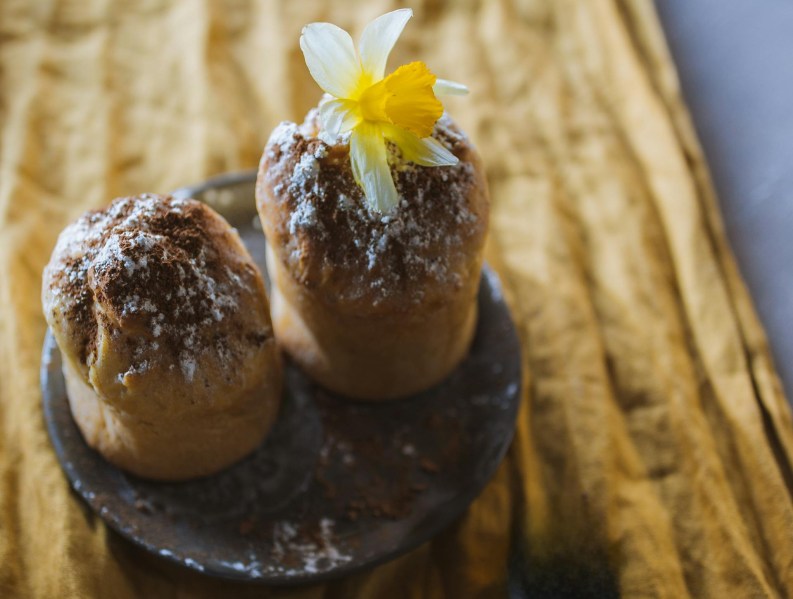
Find a quiet and comfortable space where you can set up a small altar or table for the ceremony. This space should be clean and arranged in a way that feels peaceful and sacred to you. On your altar or table, place a clean cloth. Arrange little cakes you’ve baked for the occasion along with fresh flowers, which symbolize the beauty and impermanence of life, such as irises or daffodils. You may also include photographs of your ancestors, heirlooms, or any other items that connect you to your heritage and loved ones who have passed.

Prepare the Tea
Select a tea that resonates with you spiritually or culturally. It could be a tea that your ancestors enjoyed or one that holds a particular meaning to your family. Before the ceremony, prepare the tea with mindfulness and care, pouring your intentions of honor and remembrance into every step.
My personal favorite on this day is a blend of oolong tea with chamomile and dried pear pieces.


Conducting the Ceremony
Begin the ceremony by lighting a candle to welcome the presence of your ancestors. This act symbolizes the light of their spirits and the warmth of their guidance in your life. Offer the tea and cakes and pour the tea into cups, placing them on the altar as offerings to your ancestors. Next to the cups, arrange the little cakes and flowers. As you do this, speak the names of the ancestors you wish to honor, or simply hold them in your heart with gratitude.

Sit in silence for a few minutes, allowing yourself to feel the presence of your ancestors. Reflect on the lessons they’ve taught you, the love they’ve shared, and the ways in which they’ve influenced your life. After spending a few moments in reflection, consume the tea and cakes yourself or share them with others present. This act symbolizes the sharing of wisdom, love, and blessings between the living and the dead, ensuring that the legacy of your ancestors is kept alive through you.

Conclude the ceremony by expressing your thanks to your ancestors for their presence and blessings. Blow out the candle to signify the end of the ceremony, carrying forward the warmth and light they’ve brought into your life.


Reflection
The Cake Day Tea Ceremony is an intimate and powerful way to connect with your ancestors and pay homage to their enduring presence in your life. Through the simple acts of sharing tea and cakes, you not only honor their memory but also weave their legacy into the fabric of your daily life. Let this ceremony be a reminder of the sweetness and love that transcends the boundaries of time and space, bringing you closer to your roots and heritage.


Conclusion
Cake Day is a beautiful tradition that brings together the sweetness of cakes and the depth of spiritual and ancestral respect. By baking little cakes and participating in a tea ceremony, we create a space to honor the divine and remember our ancestors. This celebration reminds us of the beauty of tradition, the importance of gratitude, and the universal language of food in expressing love and reverence. Let’s embrace Cake Day as an opportunity to connect with our roots and spread sweetness and joy in our communities.

A Tea Witch’s Grimoire: A New Edition

A Tea Witch’s Grimoire: A Magical Journey through Enchanted Teas

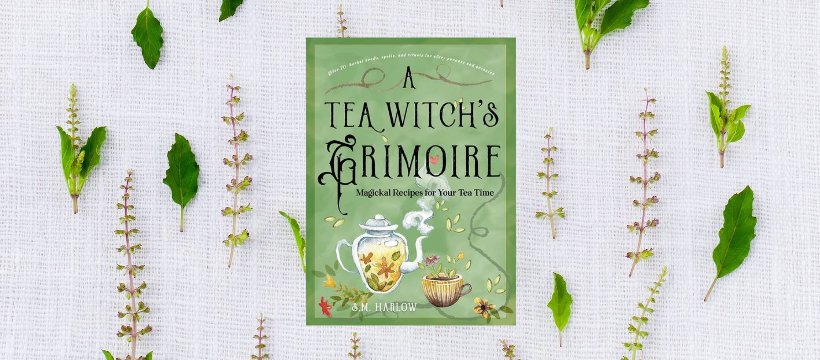
There’s something mystical about a warm cup of tea, isn’t there? It can be comforting, calming, and even healing. But what if I told you that tea has the potential to unleash a world of magic? Intrigued? I am thrilled to introduce you to my new book, “A Tea Witch’s Grimoire”, which takes you on a captivating journey into the realms of magical teas, spells, rituals, and herbal correspondences. What’s even better? You can now pre-order it on Amazon and indulge in the Sample for a taste of what’s to come!

https://www.calameo.com/red-wheel_weiser-books/books/0055709747c44bd17edf7

Tea as a Gateway to Magic:
What sets “A Tea Witch’s Grimoire” apart is the unique blend of herbal knowledge, spellcasting, and tea brewing techniques. As an avid tea lover and practitioning witch myself, I’ve poured my heart and soul into creating this comprehensive guide for all tea enthusiasts, magical explorers, and curious souls alike.

Unlocking the Secrets:
Every page of this book holds a treasure trove of information and enchantment. The book begins by sharing the fundamental concepts of tea magic, guiding you through the art of blending teas, and understanding herbal correspondences. Whether you are a beginner or seasoned practitioner, you’ll find a wealth of wisdom to deepen your craft.

Spells and Rituals:
“A Tea Witch’s Grimoire” brings you an array of spells and rituals designed specifically for tea magic. From love spells to prosperity rituals, each chapter is filled with practical examples that bring tea and magic together in harmony. You’ll discover how to infuse your teas with intention, how to choose the perfect tea for your spellwork, and how to incorporate tea magic into your daily life.

Herbal Correspondences:
The intricacies of herbal correspondences come alive in this book, with detailed explanations of the magical properties and uses of various herbs. From lavender for relaxation to chamomile for dreamwork, you’ll uncover the hidden potential of countless herbs and their affinity to different aspects of your life.

Sample and Pre-Order on Amazon:
To truly experience the enchantment within “A Tea Witch’s Grimoire,” you can now explore the Sample available. This tantalizing glimpse will give you a taste of the book’s contents, sparking your curiosity and leaving you eager to uncover more. And if you are as captivated as I think you’ll be, don’t hesitate to pre-order the full book. That way, you’ll be among the first to dive into this mystical journey as soon as it releases.

https://amzn.to/3pTCsmC

Conclusion:
Magic and tea blend harmoniously in “A Tea Witch’s Grimoire” to offer a delightful and transformative experience. Whether you’re an aspiring witch, an herbal enthusiast, or someone simply searching for a new way to infuse magic into your life, this book holds the key to unlocking the power of enchanted teas. So, why wait? Pre-order this captivating masterpiece on Amazon now, grab a cup of your favorite tea, and embark on a magical journey that will forever change the way you view both tea and witchcraft. Cheers to a life steeped in vibrant enchantment!

Dedicating An Animal Spirit

Hello and Welcome!

I’ve recently discovered a ritual that is both beautiful and magickal. If you are one that finds your pet to be special and powerful, then this is the spell for you. If you are also one who finds great purpose in worshiping deities, then this is the ritual for you.

This ritual is dedicating an animal to a specific Spirit. This will create a profound triangular relationship between human, spirit and animal. This ritual derives from indigenous Siberia, but with a twist.


P.S.

As an Amazon Associate I earn from qualifying purchases.

Thank you for the love and support!


THE SPELL

  1. Choose a specific animal to be dedicated to a specific deity. ( I will include a list of animals and the deities that are associated with them.)
  2. Purify the animal with juniper incense.
  3. Sprinkle it with wine.
  4. Decorate the animal with ribbons in colors associated with the specific Spirit.
  5. Offer the animal an infusion of 1 teaspoon of honey to 1-2 cups of water.
  6. The animal is returned home or to its flock. It is now never ridden, eaten, or worked. It is treated special and allowed to enjoy its life as a gesture of sacrificial devotion. This treatment may extend over the animal’s entire natural life or for a specific period of time. This must be specified during the initiation.

ANIMALS AND THEIR DEITIES

CATS:

Artemis. Bastet. Freya. Hecate. Lilith.

BIG CATS:

Dionysus. Durga. Hathor. Kybele. Sekhmet.

DOGS:

Artemis. Hecate. Ogun. Saint Roch.

HORSES:

Anat. Demeter. Epona. Poseidon. Rhiannon. Rla-mgrin (Hayagriva)

TOADS:

Agwe. Heket.

SNAKES:

Athena. Ezilli Freda Dahomey. Lilith. Mami Waters. Simbi. Lady Asherah.

COWS:

Brigid. Hathor. Hermes. Isis. Lakshmi. Maeve. Shiva.

FISH:

Atargatis. La Baleine. La Sirene. Yemaya.

PIGS:

Demeter. Seth.

DEITIES THAT PROTECT ALL ANIMALS:

Aphrodite. Artemis. Baba Yaga. Faunus. Hathor. Lilith. Saint Anthony.

If you enjoyed this article, please like, share, or follow!

Great Blessings!

Dedicate An Animal Spirit!

Secret Wisdom of the Witch Wife

Welcome, and thank you for crossing the hedge!

Below is an interview with an extraordinary woman, whose wisdom goes beyond many I’ve ever spoken to. For personal reasons, she chooses to remain private, but permits her craft to be told and shared.

I learned a new term today from this Crone whom I just met. Her aura was pure and green. Her character is patient and wise. She has seen 60 moons. Harnessed her craft for the last 49 suns.

She termed herself a Witch Wife. When I asked her what that was, she gifted me with her knowledge.

Much like a midwife and a hedgewitch, a Witch Wife teaches the ways of the craft to the young, until they reach mature adulthood. They stay together until the student ends their raising, decides to become a Witch Wife themselves, or get traditionally married.

I asked, “why until they get married?”

She said because at that point the pupil’s power is no longer their own. It is merged with their partner’s, and therefore, new traditions are created. The apprentice will carry on their own solitary craft, and may wish to pass it on to their children. They can also decide to have a Witch Wife tutor them.

I asked, “is a Witch Wife often unmarried?”

She answered yes, a Witch Wife is a woman who is free of vows to another. They are solitary practitioners, save for the teachers that raised them. When they first decide to become a Witch Wife, a ritual is done that weds the new wife to her craft. A small private ritual is held with other Witch Wives pesent. This event is often planned on the eve of a new season.

After the new Witch Wife takes a period to establish herself, a novice is chosen and passed on to her to have tutored. This youth is called a Witch Child. This pupil becomes her child of the craft to pass on the wisdom.

I asked, “how is a Witch Child chosen? Can you raise more than one?”

She answered yes, she has raised two. Some take up to three. The Witch Child is often an offspring from a pupil who had either chosen to marry, or had given birth to a babe(s). The Witch Child needs to show interest in the craft before they are chosen. Then is asked if they would like to be taught by a Witch Wife. There are some rare cases where a Witch Child is chosen from a friend of the Witch Wife’s.

I asked, “can a Witch Wife ever get married if she wishes to?”

She answered yes, but this is considered infidelity towards the Witch Wife’s craft. She will know that she will never fully belong to her partner, as well as to her craft. She will be in a state of eclipse. Only when she is widowed, will she be free of her vows to her partner. If she births children, it is still tradition that they may be tutored by another Witch Wife, if the child wishes it.

I then asked, “can a married Witch Wife still tutor other pupils?”

She answered no, because at that point she is eclipsed. A Witch Wife must be faithful to her craft in order to lead a Witch Child through the bright and shadowed aspects of their craft. A married Witch Wife has one eye shut. That is the eye that is focused on her marital bed, and the concerns of her partner. A Witch Wife must have both eyes focused on her craft, and on the success of her Witch Child.

I then asked, “are married Witch Wives looked down upon in your group?”

She answered no, of course not. They are family. They were all Witch Children that were raised by Witch Wives. They are still invited to attend events, outings, and some rituals. They are all a very close knit group. Their children are accepted and often taught in the ways as well.

I asked, “what happens if a Witch Child decides not to be a Witch Wife, or doesn’t want to continues their studies?”

She answered, a Witch Child is free to end their studies at any point during their growth. If they stop their studies midway, they will no longer be called a Witch Child. If a Witch Child decides to not become a Witch Wife at the end of their studies, she will be called a Witch Soul, and carry on a solitary practice. She won’t participate in the same Witch Wife rituals.

I asked, “how often is a Witch Child tutored?”

She answered, it depends. For some it can be once or twice a week. For others, it can be more. It depends on location, schedule, and the child’s enthusiasm. It is much like an afterschool program, because for some Witch Children, they come straight from school until their parent(s) pick them up after work. During school breaks, fun study outings such as campings are planned.

I asked, “are Witch Children/Wives always female?”

She answered, Witch Wives are always female. Not to discriminate today’s gender roles and beliefs, but because that has been the way of their tradition. There have been two Witch Children that were boys. Only one had completed his studies, however, and continued on to practice as a solitary Witch Soul.

I asked, “does a Witch Child have to begin their studies when they are a child, or can they be older?”

She answered, it is generally recommended that they begin young. Before the thirteenth birthday. There is a rare chance an older child may be taught, but the Witch Child has to study for a longer period of time.

I then asked, “until when is a Witch Child’s studies complete?”

She answered, when they complete each phase of their lessons. It is not just craft knowledge they are learning, it is also the process of growth that they are surpassing. Children undergo a serious change of mind and heart when they reach puberty. For some, it is often a struggle to get through the raging thoughts and emotions. Witch Wives especially stand by their Witch Child when these years are developing. Teach them the ways of growing past it. When all lessons have been exceeded, is when a Witch Child has completed their raising.

I asked, “is a Witch Wife’s craft similar to any other witchcraft practice? Is it a religion?”

She answered that it is not a religion. There is no one Deity or the worship of Gods. There is only nature, the magick it harbors, and the techniques to tap into that power. Their practice focuses on healing, ancestral magick, conjuring, and sharpening the intuition. Witch Wives are wed to the infinite power that sources all things, and thus are linked to that magick. Their practice involves herbal knowledge, charms, potions, spells, gardening, livestock, and divination.

I asked, “how long has this tradition been around?”

She answered, since the early 40s. A very small group of three women followed Irish/Scottish/Germanic folk magick traditions, formed the practice. They were unwed, but wholeheartedly believed in their craft. One had two daughters, and each were given to one Witch Wife to raise in the craft. One Witch Child became a Witch Wife, the other became a Witch Soul. That Witch Soul had children that were passed over to the other Witch Wives to raise. And it has been that way since the beginning. There have been five generations, so far.

I asked, “is there a hierarchy order to this tradition?”

She answered, yes in a way. Wisdom is more so in the Witch Wives. That, and Witch Wives are wed to the craft. Therefore, their power is linked to it, and are the only ones able to pass on the gifts to the Witch Children. A Witch Wife practices all forms of their magick.

Witch Souls are the Witch Children that complete their raising, but, they do not become Witch Wives. Therefore, the power is their own to use. They are a sole practitioner. A Witch Soul mostly practices healing and divination.

Witch Children are the young that are raised by a Witch Wife. During their training, they are taught all the forms of their practice. During this time, Witch Children share their power with the Witch Wife to understand the craft.

It is seen as a family system, then a hierarchy one.

I asked, “what kind of spells and rituals do you do? How are they formed?

She answered that she didn’t wish to go into detail about how their spells and rituals are created, or all of the spellwork that they do. But, that generally they are focused towards healing, fertility, prosperity, and protection, just to name a few.

I asked, “do you think your practice will grow bigger? Gain notice? Do you want it to?”

She answered she doesn’t believe it will grow bigger, or that it will gain notice. Some traditions are better to keep small. Their practice is a craft that takes time. Not all who practice would agree with it, or would believe in it. That is all right, because magick is a shared practice that is invoked in many methods. In many beliefs. New and old.

She didn’t really express if whether she wanted it to gain notice or grow bigger. She simply included, that she was just happy to share her story with someone of a open heart, and hopes others will see it as such.

●●●●●●●●●●●●●●●●●●●●●●●●●●●●●●●●

This was the most inspiring conversation and I am so thankful to share this amazing family’s craft tradition. I humbly thank you for entrusting me with this wisdom. Thank you, thank you.

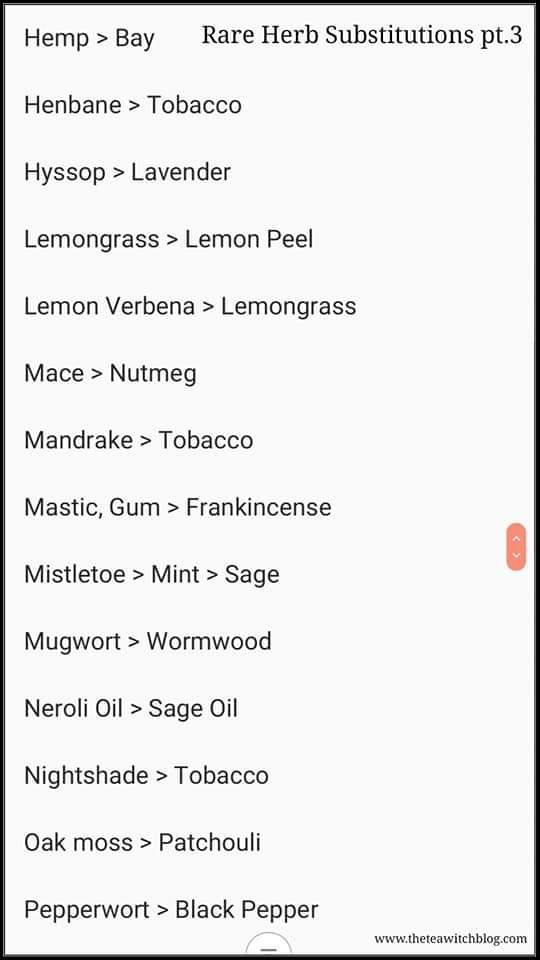
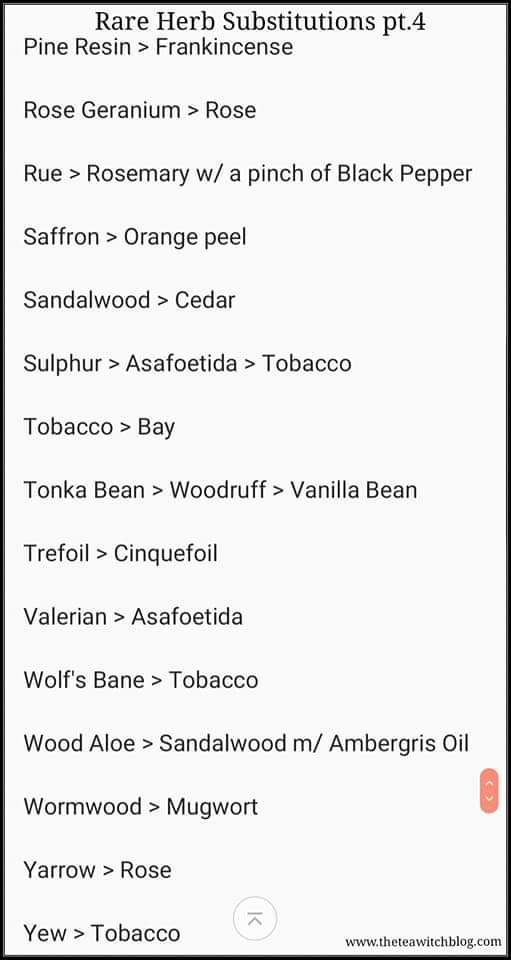
Rare Herb Substitutions

Welcome!

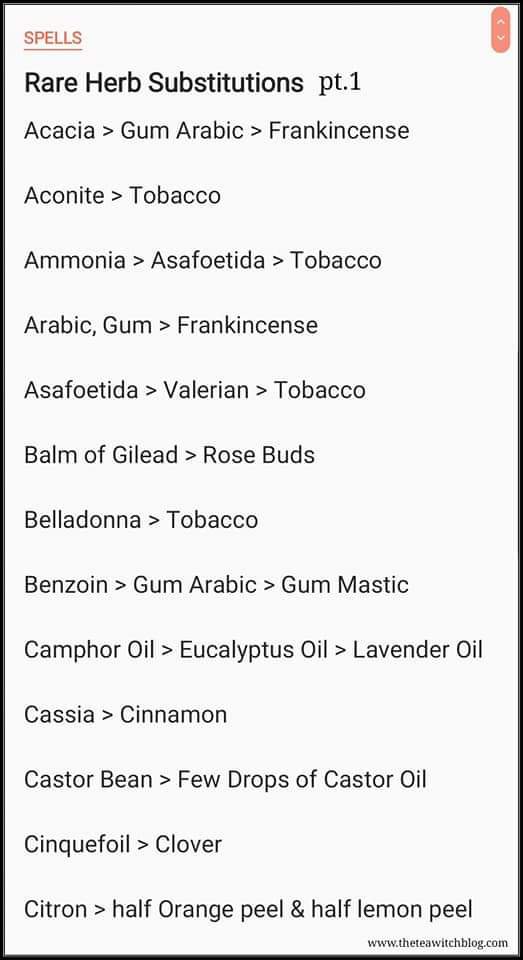
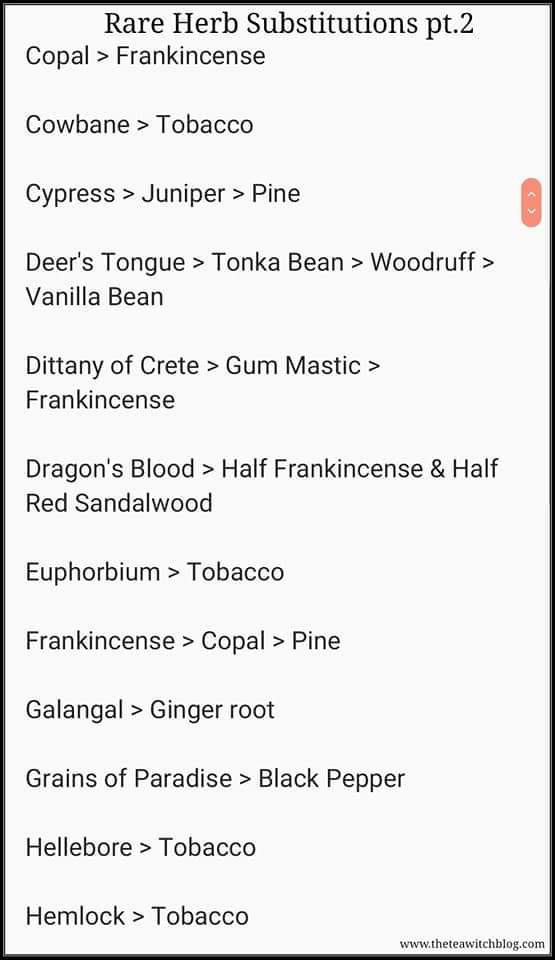
I recently wrote an article about herbal substitutions, and though it is helpful for the common plants, what about the rare ones?

Here is a chart for those substitutions. Follow them like so:


P.S.

An an Amazon Associate I earn from qualifying purchases.

Thank you for the love and support!


Where to find some of these rare herbs:

Where to find some of these rare herbs:

Where to find some of these rare herbs:

Where to find some of these rare herbs:

Here is a great kit for the beginner herbal collector! Check it out by following the link.

Wicca or Hoodoo Herb Spell Kit – 30 Witchcraft Herbs + Magickal Herbs eBook

Enjoy and blessings ☆

If you found this article to be helpful, please like, share, and/or follow!

KNOW WHEN TO SUBSTITUTE THE RIGHT RARE HERB!