The Eternal Legacy of May 24th: Celebrating the Birth of Diana With Tea Ceremony

May 24th holds a special place in history as a day of reverence and celebration, dedicated to the birth of Diana, the Roman goddess of the hunt, the moon, and nature. Her legacy, rooted in ancient mythology, continues to inspire admiration and devotion in modern times. This article explores how Diana was historically honored and worshipped and how these traditions have evolved to the present day.

Ancient Reverence and Worship

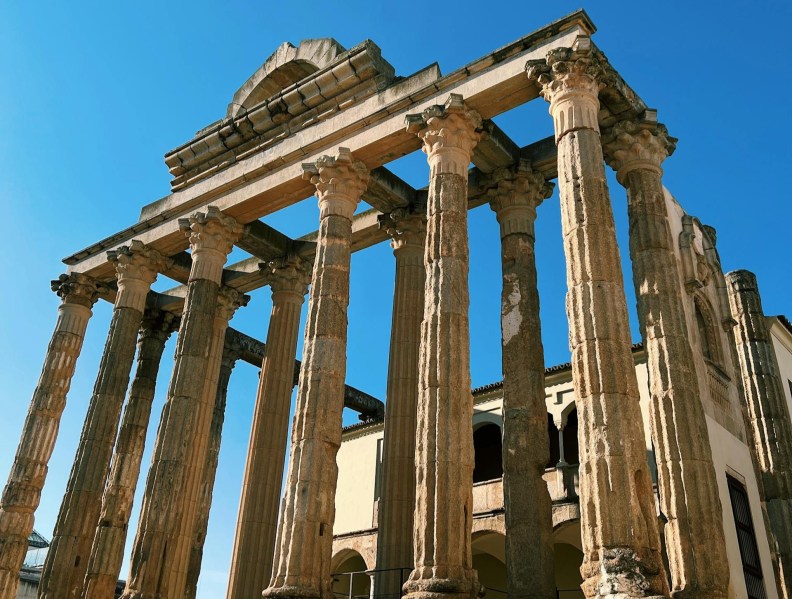
In ancient Rome, Diana was a pivotal figure in both myth and daily life. She was revered not only as a huntress but also as a protector of women and children. Temples dedicated to Diana were scattered throughout the Roman Empire, the most famous being the Temple of Diana at Ephesus, one of the Seven Wonders of the Ancient World.

Festivals and Rituals

Nemoralia (Festival of Torches)
One of the most significant festivals in Diana’s honor was the Nemoralia, celebrated in August. Devotees would carry torches and candles around Lake Nemi, also known as “Diana’s Mirror,” in a nocturnal procession. This festival symbolized enlightenment and guidance through the darkness, reflecting Diana’s role as a lunar deity.

Offerings and Prayers
Worshippers would offer fruits, flowers, and sacrifices at her altars. Prayers for protection, fertility, and successful hunts were common. Women, in particular, sought Diana’s blessings for safe childbirth and health.

Sacred Groves
Diana’s worship was closely tied to natural surroundings. Sacred groves, like the one at Aricia near Lake Nemi, were considered her sanctuaries. These groves were places of pilgrimage where people would seek solace and spiritual connection with the goddess.


Modern-Day Honor and Worship

While the ancient practices have waned, the essence of Diana’s worship persists in contemporary spirituality, neo-paganism, and cultural celebrations. Here’s how Diana is honored today:

Neo-Pagan and Wiccan Traditions
Wiccan Sabbats
In modern Wicca, Diana is revered during specific Sabbats, particularly those that align with lunar phases and nature’s cycles. Rituals often involve moonlit ceremonies, reflecting her lunar association. Practitioners may invoke Diana for guidance, protection, and empowerment.

Nature Worship
Modern followers of Diana often engage in eco-spiritual practices. Celebrations in forests, by lakes, or under the night sky honor her connection to nature. These practices include tree planting, environmental activism, and meditations focused on the natural world.

Cultural Celebrations

Festivals and Events
In various parts of the world, festivals dedicated to Diana celebrate her mythological significance. These events often include reenactments of ancient rituals, storytelling, and artistic expressions like dance and music that pay homage to her legacy.

Art and Literature
Diana continues to inspire artists, writers, and filmmakers. Her image appears in contemporary art, literature, and media, symbolizing independence, strength, and the mystical connection between humanity and nature.

Personal Devotion

Altars and Shrines
Many individuals create personal altars or shrines dedicated to Diana in their homes or gardens. These spaces are adorned with symbols of the moon, hunting implements, and natural elements, serving as a focal point for daily devotion and meditation.

Spiritual Practices
Meditation, prayer, and rituals centered around the lunar cycles are common among those who honor Diana. These practices foster a personal connection with the goddess and her attributes.

The Timeless Appeal of Diana

Diana’s allure lies in her multifaceted nature. She embodies independence, strength, and a deep connection to the natural world, qualities that resonate across centuries and cultures. On May 24th, as we celebrate her birth, we acknowledge her enduring influence in both ancient and modern contexts.

From the torch-lit processions of ancient Rome to the moonlit rituals of today, Diana’s spirit endures, reminding us of our intrinsic bond with nature and the divine feminine. As we honor her, we continue a tradition that transcends time, celebrating a goddess whose legacy is as luminous as the moon she commands.

Celebrating the Birth of Diana With A Tea Ceremony and Feast

To honor the birth of Diana, the Roman goddess of the hunt, the moon, and nature, we can host a tea ceremony and feast that reflects her attributes and ancient traditions. This celebration will incorporate elements of nature, lunar symbolism, and traditional foods, creating a spiritual and festive atmosphere.

Tea Ceremony

Setting the Scene
Location
Ideally, host the ceremony outdoors in a garden, forest, or near a body of water to connect with Diana’s natural domains. If indoors, decorate with plants, flowers, and natural elements.

Altar
Create a small altar with symbols of Diana, such as a crescent moon, hunting tools (like a small bow and arrow), and images of animals. Place candles, preferably white or silver, to represent the moonlight, and fresh flowers.

Materials Needed:
– Teapot and cups
– Herbal tea blend (recipe below)
– Fresh flowers and herbs for decoration
– Candles
– Offering bowl

Herbal Tea Blend Recipe:
This tea blend uses herbs associated with Diana and the moon.

Ingredients:
– 1 part mugwort (for intuition and dreams)
– 1 part chamomile (for calm and healing)
– 1 part jasmine (for lunar energy and divination)
– 1 part lemon balm (for clarity and protection)
– Honey (optional, for sweetness)

Instructions:
1. Blend the dried herbs together and store in an airtight container.
2. To brew, place 1-2 teaspoons of the blend per cup of boiling water in the teapot.
3. Steep for 5-7 minutes.
4. Strain and serve with honey if desired.

Ceremony Steps
Opening Invocation
Light the candles and say a prayer or invocation to Diana, asking for her presence and blessings.

“Great Diana, goddess of the hunt, the moon, and nature, we honor you on this sacred day of your birth. Bless us with your wisdom, strength, and protection.”

Tea Brewing
Brew the tea with moon water. As the tea steeps, meditate on Diana’s qualities and how they can inspire you. Visualize the moonlight infusing the tea with her energy.

Pouring and Sharing
Pour the tea into cups and share it with your guests. As you drink, take a moment to reflect on Diana’s influence in your life and offer a silent or spoken gratitude.

Offerings
Place a small portion of tea and some flowers or herbs in the offering bowl as a gift to Diana.

Closing
Thank Diana for her presence and extinguish the candles, symbolizing the end of the ceremony.

Feast

Following the tea ceremony, a feast can further honor Diana with dishes that celebrate nature, the hunt, and traditional Italian flavors.

Menu!

Appetizer: Wild Mushroom and Herb Crostini

Main Course: Venison Stew with Root Vegetables

Side Dish: Farro Salad with Seasonal Vegetables

Dessert: Honey and Almond Cake
Beverage: Herbal Moon Elixir (non-alcoholic)

Recipes!

Wild Mushroom and Herb Crostini

Ingredients:
– 1 baguette, sliced
– 2 cups mixed wild mushrooms, cleaned and sliced
– 3 tbsp olive oil
– 2 cloves garlic, minced
– 1 tbsp fresh thyme
– 1 tbsp fresh rosemary
– Salt and pepper to taste
– Fresh parsley, chopped (for garnish)

Instructions:
1. Preheat the oven to 375°F (190°C).
2. Arrange the baguette slices on a baking sheet and brush with olive oil. Toast in the oven until golden brown.
3. In a skillet, heat the remaining olive oil over medium heat. Add the garlic and cook until fragrant.
4. Add the mushrooms, thyme, and rosemary. Cook until the mushrooms are tender and browned.
5. Season with salt and pepper. Spoon the mushroom mixture onto the toasted baguette slices.
6. Garnish with fresh parsley and serve warm.


Venison Stew with Root Vegetables

Ingredients:
– 2 lbs venison stew meat, cubed
– 3 tbsp olive oil
– 1 large onion, chopped
– 3 cloves garlic, minced
– 4 cups beef or vegetable broth
– 2 cups red wine
– 3 carrots, sliced
– 3 parsnips, sliced
– 2 potatoes, cubed
– 2 bay leaves
– 1 tbsp fresh thyme
– Salt and pepper to taste

Instructions:
1. In a large pot, heat the olive oil over medium-high heat. Add the venison and brown on all sides.
2. Remove the venison and set aside. In the same pot, add the onion and garlic and sauté until softened.
3. Return the venison to the pot and pour in the broth and red wine. Add the carrots, parsnips, potatoes, bay leaves, and thyme.
4. Bring to a boil, then reduce the heat to low and simmer for 1.5 to 2 hours, or until the venison and vegetables are tender.
5. Season with salt and pepper to taste. Remove the bay leaves before serving.


Farro Salad with Seasonal Vegetables

Ingredients:
– 1 cup farro
– 2 cups water or vegetable broth
– 1 cup cherry tomatoes, halved
– 1 cucumber, diced
– 1 bell pepper, diced
– 1/4 red onion, finely chopped
– 1/4 cup fresh parsley, chopped
– 1/4 cup fresh basil, chopped
– 3 tbsp olive oil
– 2 tbsp balsamic vinegar
– Salt and pepper to taste

Instructions:
1. Rinse the farro under cold water. In a medium pot, combine farro and water or broth. Bring to a boil, then reduce heat and simmer for about 25-30 minutes, or until farro is tender.
2. Drain any excess liquid and let the farro cool.
3. In a large bowl, combine the cooked farro, cherry tomatoes, cucumber, bell pepper, red onion, parsley, and basil.
4. In a small bowl, whisk together the olive oil and balsamic vinegar. Pour over the salad and toss to combine.
5. Season with salt and pepper to taste. Serve chilled or at room temperature.


Honey and Almond Cake

Ingredients:
– 1 cup all-purpose flour
– 1 cup almond flour
– 1/2 tsp baking powder
– 1/2 tsp baking soda
– 1/4 tsp salt
– 1/2 cup unsalted butter, softened
– 1/2 cup honey
– 2 large eggs
– 1/2 cup plain Greek yogurt
– 1 tsp vanilla extract
– 1/2 cup sliced almonds, for topping

Instructions:
1. Preheat your oven to 350°F (175°C). Grease and flour an 8-inch round cake pan.
2. In a medium bowl, whisk together the all-purpose flour, almond flour, baking powder, baking soda, and salt.
3. In a large bowl, beat the butter and honey together until light and fluffy. Add the eggs one at a time, beating well after each addition.
4. Mix in the yogurt and vanilla extract.
5. Gradually add the dry ingredients to the wet ingredients, mixing until just combined.
6. Pour the batter into the prepared cake pan and smooth the top. Sprinkle the sliced almonds evenly over the top.
7. Bake for 25-30 minutes, or until a toothpick inserted into the center comes out clean.
8. Allow the cake to cool in the pan for 10 minutes, then transfer to a wire rack to cool completely before serving.


Herbal Moon Elixir (Non-Alcoholic)

Ingredients:
– 4 cups moon water
– 1 tbsp dried lavender
– 1 tbsp dried chamomile
– 1 tbsp dried lemon balm
– 1 tbsp dried mint
– 1/4 cup honey
– 1 tbsp fresh lemon juice
– Fresh mint leaves and lemon slices for garnish

Instructions:
1. In a large pot, bring the moon water to a boil. Remove from heat and add the dried lavender, chamomile, lemon balm, and mint.
2. Cover and let steep for 15-20 minutes.
3. Strain the tea into a pitcher and stir in the honey and lemon juice until the honey is dissolved.
4. Let the elixir cool to room temperature, then refrigerate until chilled.
5. Serve over ice, garnished with fresh mint leaves and lemon slices.


Conclusion

This tea ceremony and feast are designed to honor Diana with a blend of traditional flavors and natural elements. By incorporating symbols of the goddess and the natural world, you create a meaningful and immersive celebration that pays tribute to Diana’s realms and attributes.
Celebrating Cake Day: Honoring the Divine and Ancestors with Sweet Offerings

February 28th marks a unique and heartwarming tradition known as Cake Day. This day is dedicated to the celebration of love, remembrance, and reverence through the universal language of cakes. It is a day when people across various cultures come together to bake and share little cakes as offerings to honor the gods and goddesses or to remember and pay homage to their ancestors. Cake Day is not just about indulging in sweet treats; it’s about the spirit of giving, sharing, and commemorating those who have left a lasting impact on our lives.


The Significance of Cakes in Rituals

Cakes have been a part of human celebrations and rituals for centuries. In many traditions, cakes are considered symbols of abundance, sweetness, and the joy of life. On Cake Day, these connotations take on a spiritual and ancestral significance. The act of baking and offering cakes is seen as a gesture of respect and gratitude towards the deities and ancestors, acknowledging their blessings and guidance in our lives.


Making Little Cakes: A Simple Recipe

To participate in the celebration of Cake Day, you don’t need to be a professional baker. Here’s a simple recipe for making little cakes that can be offered as part of your observance:

Ingredients:
– 1 cup all-purpose flour
– 1/2 cup sugar
– 1/4 cup butter, softened
– 1/4 cup milk
– 1 egg
– 1/2 teaspoon baking powder
– 1/4 teaspoon vanilla extract
– A pinch of salt

Instructions:
1. Preheat your oven to 350°F (175°C).
2. In a mixing bowl, cream together the butter and sugar until light and fluffy.
3. Beat in the egg and vanilla extract.
4. In another bowl, whisk together the flour, baking powder, and salt.
5. Gradually add the dry ingredients to the creamed mixture alternately with milk, starting and ending with the flour mixture. Mix until just combined.
6. Spoon the batter into greased mini muffin tins or small cake molds.
7. Bake for 10-15 minutes, or until a toothpick inserted into the center of a cake comes out clean.
8. Allow the cakes to cool before decorating them as desired or leaving them plain for a simple offering.


Cake Day Tea Ceremony

The Cake Day Tea Ceremony is a serene and heartfelt ritual that combines the simplicity of tea, the sweetness of cakes, and the beauty of flowers to honor and remember our ancestors. This ceremony is designed to create a moment of reflection, gratitude, and connection to our past, bridging the gap between the physical and spiritual worlds with each sip of tea and bite of cake. Here’s how you can conduct your own Cake Day Tea Ceremony:

Setting the Space
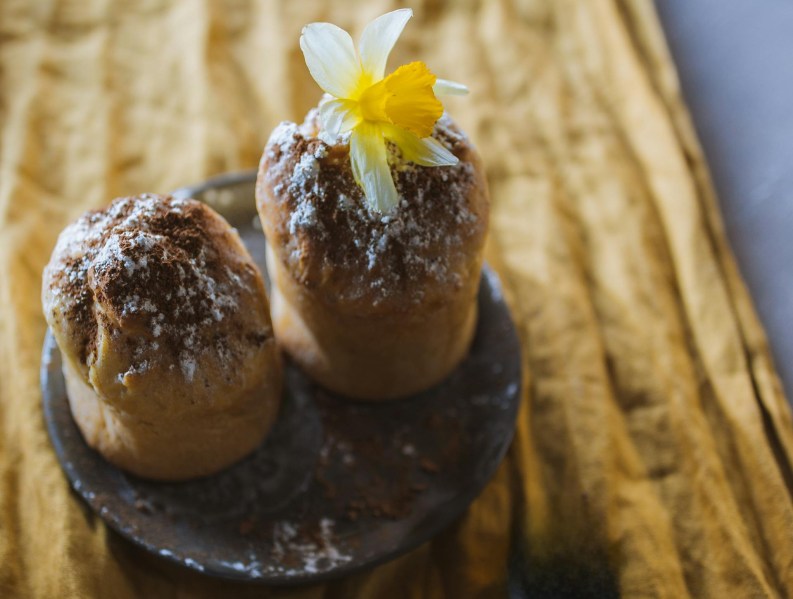
Find a quiet and comfortable space where you can set up a small altar or table for the ceremony. This space should be clean and arranged in a way that feels peaceful and sacred to you. On your altar or table, place a clean cloth. Arrange little cakes you’ve baked for the occasion along with fresh flowers, which symbolize the beauty and impermanence of life, such as irises or daffodils. You may also include photographs of your ancestors, heirlooms, or any other items that connect you to your heritage and loved ones who have passed.

Prepare the Tea
Select a tea that resonates with you spiritually or culturally. It could be a tea that your ancestors enjoyed or one that holds a particular meaning to your family. Before the ceremony, prepare the tea with mindfulness and care, pouring your intentions of honor and remembrance into every step.
My personal favorite on this day is a blend of oolong tea with chamomile and dried pear pieces.


Conducting the Ceremony
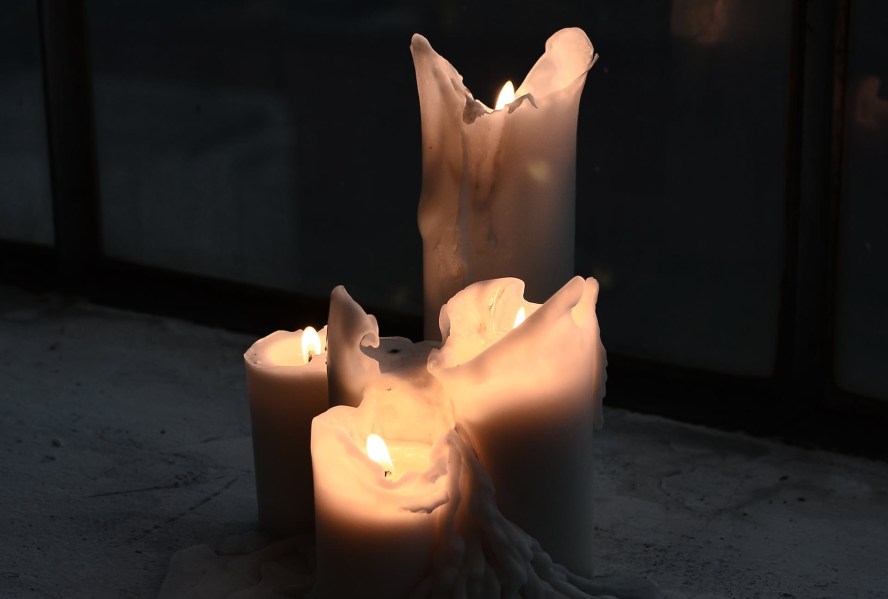
Begin the ceremony by lighting a candle to welcome the presence of your ancestors. This act symbolizes the light of their spirits and the warmth of their guidance in your life. Offer the tea and cakes and pour the tea into cups, placing them on the altar as offerings to your ancestors. Next to the cups, arrange the little cakes and flowers. As you do this, speak the names of the ancestors you wish to honor, or simply hold them in your heart with gratitude.

Sit in silence for a few minutes, allowing yourself to feel the presence of your ancestors. Reflect on the lessons they’ve taught you, the love they’ve shared, and the ways in which they’ve influenced your life. After spending a few moments in reflection, consume the tea and cakes yourself or share them with others present. This act symbolizes the sharing of wisdom, love, and blessings between the living and the dead, ensuring that the legacy of your ancestors is kept alive through you.

Conclude the ceremony by expressing your thanks to your ancestors for their presence and blessings. Blow out the candle to signify the end of the ceremony, carrying forward the warmth and light they’ve brought into your life.


Reflection
The Cake Day Tea Ceremony is an intimate and powerful way to connect with your ancestors and pay homage to their enduring presence in your life. Through the simple acts of sharing tea and cakes, you not only honor their memory but also weave their legacy into the fabric of your daily life. Let this ceremony be a reminder of the sweetness and love that transcends the boundaries of time and space, bringing you closer to your roots and heritage.


Conclusion
Cake Day is a beautiful tradition that brings together the sweetness of cakes and the depth of spiritual and ancestral respect. By baking little cakes and participating in a tea ceremony, we create a space to honor the divine and remember our ancestors. This celebration reminds us of the beauty of tradition, the importance of gratitude, and the universal language of food in expressing love and reverence. Let’s embrace Cake Day as an opportunity to connect with our roots and spread sweetness and joy in our communities.

Imbolc: From Ancient Fire Festival to Modern Celebration of Renewal + Tea Ceremony

In the deep midwinter, when the cold seems unyielding, a festival of fire and light breaks the monotony with promises of spring and renewal. This is Imbolc, an ancient Celtic festival that has evolved through time but still holds fast to the essence of its inception: the reawakening of the earth and the heralding of new life.

The Roots of Imbolc

The earliest history of Imbolc is interwoven with the pastoral calendar of the Celtic people. As a culture deeply connected to the rhythms of nature, the Celts marked Imbolc as a pivotal point in the year. It was a time when the ewes began to lactate, signaling the beginning of the lambing season, an undeniable sign that the harshness of winter would soon give way to the bounty of spring.

The festival is traditionally held on February 1st, a date that falls approximately halfway between the winter solstice and the spring equinox. This timing is no coincidence; it reflects the ancient understanding of the balance between darkness and light, cold and warmth, death and rebirth.

From a seasonal perspective, Imbolc represents the awakening of nature after the long winter slumber. As the days gradually lengthen and the temperatures slowly rise, Imbolc symbolizes the first signs of spring’s arrival. It is a time when farmers and gardeners eagerly prepare for the upcoming planting season, anticipating the rejuvenation and growth that nature will soon provide.

Imbolc also serves as a reminder of the cyclical nature of life and the importance of inner transformation. Just as nature undergoes a period of rest and renewal during winter, individuals can reflect on their own personal journeys. It is a time to release old habits, set new intentions, and embark on a path of self-improvement and growth.

Imbolc offers a beautiful opportunity to honor the interconnectedness of nature, spirituality, and personal growth. Whether through participating in community gatherings or embracing personal rituals, individuals can tap into the ancient origins and modern significance of Imbolc, finding inspiration, renewal, and a deep connection to the cycles of life.


Brigid: Goddess and Saint

Central to the celebration of Imbolc is Brigid, initially revered as a goddess in the Celtic pantheon. A multifaceted deity, Brigid was the patroness of healers, poets, smiths, childbirth, and the hearth. She symbolized the fertile and creative aspect of the natural world. With the arrival of Christianity, the goddess Brigid was transformed into Saint Brigid of Kildare, a beloved figure in the Irish Christian tradition. However, the goddess’s attributes were so ingrained in the cultural consciousness that many of the pagan customs associated with her continued, albeit with a Christian veneer.

Brigid’s association with fire is particularly significant during Imbolc, as it marks the halfway point between the winter solstice and the spring equinox. As the days gradually lengthen, her presence serves as a reminder of the impending arrival of spring and the promise of new beginnings. This time of year is often seen as a fertile period, both in terms of the land and personal growth, and Brigid’s energy is thought to inspire and support these transformations.

In modern times, many people continue to honor Brigid during Imbolc by incorporating her symbolism and traditions into their celebrations. Some may create Brigid’s altars adorned with candles, flowers, and symbols of creativity and inspiration. Others may partake in healing rituals, seeking her guidance for physical or emotional well-being. Regardless of the specific practices, the essence of Brigid and her connection to Imbolc serve as a reminder of the ancient wisdom and enduring power of the divine feminine.

Brigid’s presence infuses this festival with a sense of reverence, renewal, and the anticipation of brighter days ahead. By acknowledging and honoring Brigid during Imbolc, we honor the sacred feminine energy within ourselves and connect to the ancient threads that bind us to our ancestors and the natural world.


Fires of Purification and Illumination

Fire played a central role in the festivities of Imbolc, emblematic of the rebirth of the Sun and the vital life force stirring in the womb of the earth. Hearth fires were rekindled, and candles lit to represent the returning warmth and light. Bonfires were also a common feature, with their flames signifying purification and the triumph of light over darkness.


Modern Celebrations

Today, Imbolc is embraced by many neo-pagans, Wiccans, and those inspired by the mythic past. The festival is still a time for purification and renewal. Homes are cleaned thoroughly; the remnants of the old year are swept away, making room for the new. It’s also a time for personal reflection and the setting of intentions. Just as the seeds beneath the earth are preparing to burst forth, individuals are encouraged to nurture their aspirations and prepare for personal growth.

One way to incorporate Imbolc traditions is by creating an altar dedicated to this special day. Choose items that symbolize the themes of Imbolc, such as candles, representations of Brigid, and symbols of new beginnings like seeds or sprouting plants. Light the candles and take a moment to reflect on the warmth and light returning to the world.

Candle-making! Imbolc is closely associated with the element of fire and the symbolism of light. Making candles is a beautiful way to connect with this element and create a warm, inviting atmosphere in your home. You can experiment with different colors and scents that evoke the energy of Imbolc, such as white for purity, yellow for sunlight, or lavender for healing.

Another tradition is to engage in purification rituals. Imbolc is often associated with cleansing and purifying, both physically and spiritually. Take a ritual bath with herbs like lavender or rosemary, or cleanse your sacred space with sage or palo santo. As you cleanse, visualize releasing any stagnant energy and making space for new growth and abundance.

Imbolc is also a time for divination and setting intentions for the year ahead. You can use tarot cards, runes, or other divination tools to gain insight and guidance. Take time to meditate or journal about your goals and aspirations for the coming months. Set intentions that align with the energy of Imbolc – new beginnings, creativity, and nurturing your inner flame.

Imbolc is a time of sowing seeds both literally and metaphorically. It symbolizes the potential for growth and the nurturing of new ideas and dreams. Start your own indoor herb garden or plant seeds outdoors in preparation for the coming spring. As you tend to these plants, visualize your intentions and aspirations taking root and blossoming in the months ahead.

Lastly, don’t forget to connect with nature during this time. Imbolc is closely tied to the awakening of the earth and the first signs of spring. Take a walk in nature, observe the budding trees and early flowers, and express gratitude for the cycles of the seasons. Consider planting seeds or tending to indoor plants as a symbol of nurturing your own growth and potential.


Imbolc Traditions

Traditional practices include the crafting of Brigid’s crosses from reeds or straw, a custom believed to invite protection and blessings from the saint. Another ritual is the making of a “Brigid’s bed,” a small receptacle where a figurine of Brigid is placed, accompanied by a white wand or candle, symbolizing fertility and the return of the light.

Holy wells, too, are visited during Imbolc. Offerings of coins or clooties (small strips of cloth) are left, and the water is used for blessings and healing, merging the ancient reverence for water deities with Christian practices.


Conclusion

By honoring the transformative power of Imbolc, we can tap into the energy of new beginnings and growth. It is a reminder to let go of what no longer serves us and make space for new opportunities and experiences.

Imbolc invites us to reflect on our personal journey and set intentions for the year ahead. Just as the earth prepares to blossom with new life, we too can nurture our dreams and aspirations, allowing them to take root and flourish.

This ancient festival teaches us the importance of balance and harmony, as we honor both the darkness of winter and the promise of spring. It reminds us to find beauty in the simplest of things, to appreciate the slow and steady progress, and to have faith in the unseen.

As we embrace the transformative power of Imbolc, let us carry the lessons and energy of this sacred time throughout the year. Let us be open to change, willing to release old patterns, and ready to embrace the possibilities that lie ahead.

Imbolc is a reminder that we are part of a greater cycle, connected to the rhythms of nature and the unfolding of the universe. It is a celebration of life and rebirth, urging us to embrace our own potential for growth and transformation.

So, as we light our candles and welcome the return of the light, let us also ignite the flame within ourselves. Let us harness the transformative power of Imbolc and create a life filled with joy, purpose, and abundance. May this ancient festival inspire us to embrace our own transformative journey and walk with courage and grace into the future


Imbolc Tea Ceremony: A Ritual of Renewal

The practice of a tea ceremony for Imbolc can be a serene and symbolic way to welcome the emerging light of spring. Below is a tea ceremony designed to capture the essence of Imbolc, paired with a recipe that embodies the themes of purity, awakening, and warmth.


Imbolc Tea Recipe

Ingredients:
– 1 teaspoon of dried chamomile flowers (for relaxation and purification)
– 1 teaspoon of dried nettle leaf (to support vitality and health)
– 1/2 teaspoon of dried lavender (for tranquility and a connection to early spring)
– 1/2 teaspoon of lemon peel (for brightness and the return of the sun)
– A few fresh mint leaves (for renewal and freshness)
– Honey (preferably local, to taste for sweetness and connection to the land)
– Boiling water

Instructions:
1. In a teapot, combine the chamomile, nettle, lavender, and lemon peel.
2. Pour boiling water over the herbs and let steep for about 5 to 7 minutes, infusing the water with the herbs’ essence.
3. Strain the tea into cups, add fresh mint leaves to each cup, and stir in honey to taste.


Imbolc Tea Ceremony Steps

Preparation:
– Cleanse the space where the ceremony will be held to honor the Imbolc tradition of purification. This can be done physically by tidying up and symbolically by burning a white sage smudge stick or diffusing purifying essential oils.
– Set up a small altar or centerpiece representing Imbolc, with a white or pale green cloth, a candle to signify the returning light, and perhaps a small representation of a sheep or a Brigid’s cross as a nod to the agricultural roots of the festival and to ask for Brigid’s blessings.
– Invite participants to wear white or light colors, symbolizing the purity and freshness of the season.

The Ceremony:
1. Begin the ceremony by lighting the candle and taking a few deep breaths to ground everyone present.
2. Invite participants to share what they wish to cleanse from their lives or what they hope to grow in the coming season.
3. Pour the hot water over the tea blend, allowing the scent to rise. As the tea steeps for 5 to 7 minutes, meditate on the warmth that suffuses the herbs, reminiscent of the sun warming the earth.
4. Serve the tea, add the fresh mint, and encourage each person to inhale the herbal aroma, contemplating the nurturing aspects of Brigid or the notion of rebirth and renewal.
5. Sip the tea slowly, discussing the flavors and how they might correspond to the elements of Imbolc—chamomile for peace, nettle for health, lavender for the first hints of spring, lemon for the sun’s warmth, and mint for new beginnings.
6. Conclude the ceremony by setting intentions for the coming spring. Each participant might write their intention on a bay leaf and add it to the candle flame, watching as their hopes are symbolically transformed into smoke and carried upwards.
7. Finish by expressing gratitude for the light and warmth that are returning to the world, and for the companionship and shared intentions of the group.

This Imbolc tea ceremony and recipe offer a moment of contemplative respite, allowing participants to connect with the cycle of the seasons and the promise of spring’s return. It’s a time to revitalize the spirit, cleanse the old, and prepare the soil of the heart for new seeds to be sown.

New Spring, New Kind of Lemonade!

As promised, I posted not to long ago a recipe that I experimented with. It was the first night of the Spring season, and I felt inspired for something refreshing, and relaxing.

My husband has had a good stash of cannabis in the pile, and I thought it was a good time to medicinally use some of it. That, and I had a good amount of lemons that needed to go.

What are the magickal properties to this wonderful recipe, you might be wondering? Well, my full intention was a good positive purifying recipe, from the lemons. For the cannabis, I used it to bring a deep calming spiritual balance. And of course, the sugar to sweeten and bless.

So, at about one in the morning, I went at it! (I knoooooow, late night owl over here lol).

Here are the ingredients:

  • 1 1/2 cup Sugar
  • 6 cups Water
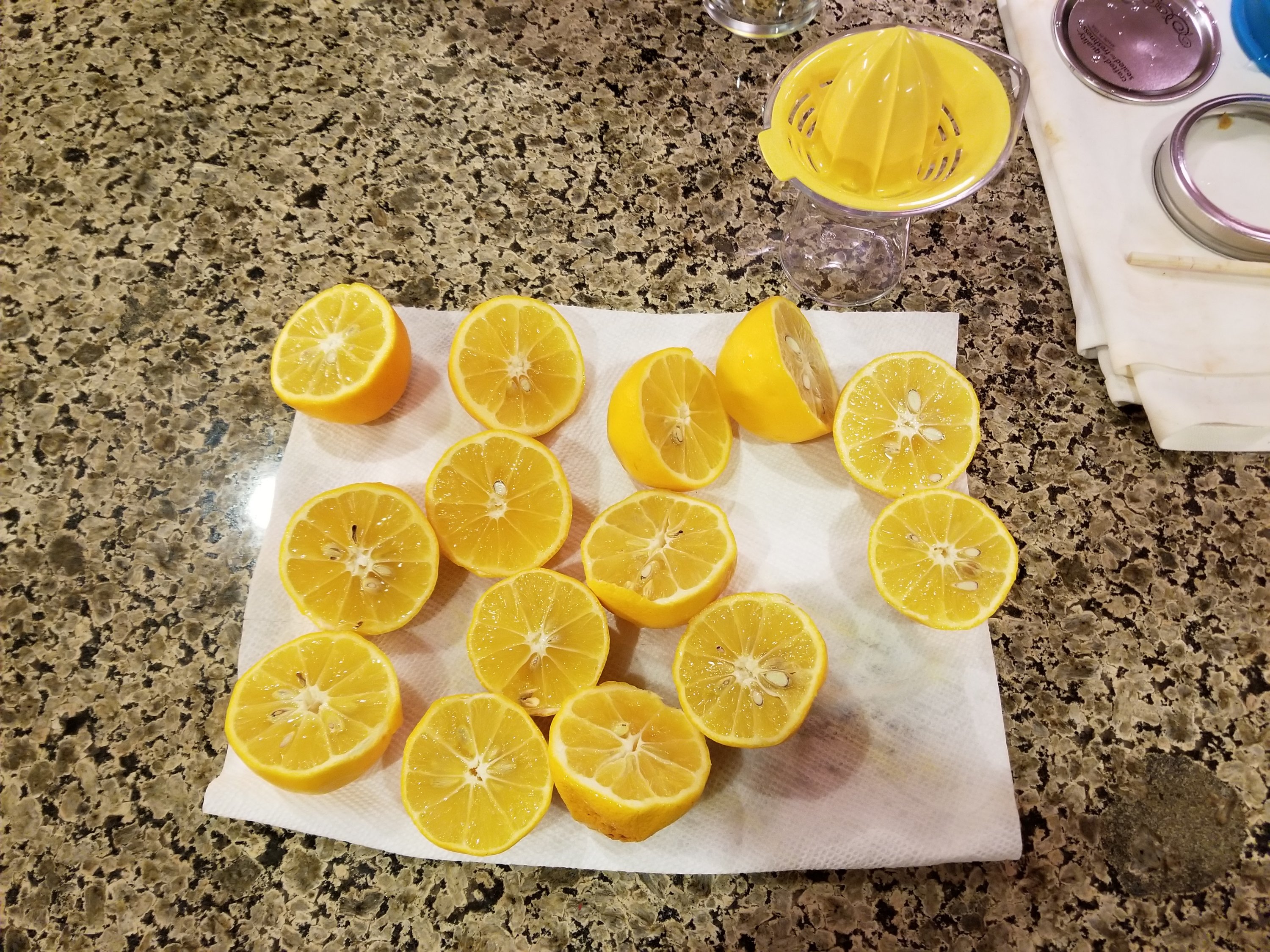
  • 1 1/2 cup lemon juice (about 6-8 lemons)
  • 1 tbsp Cannabis (or how ever much you prefer. 1 tbsp is pretty mellow per one cup.)

Instructions:

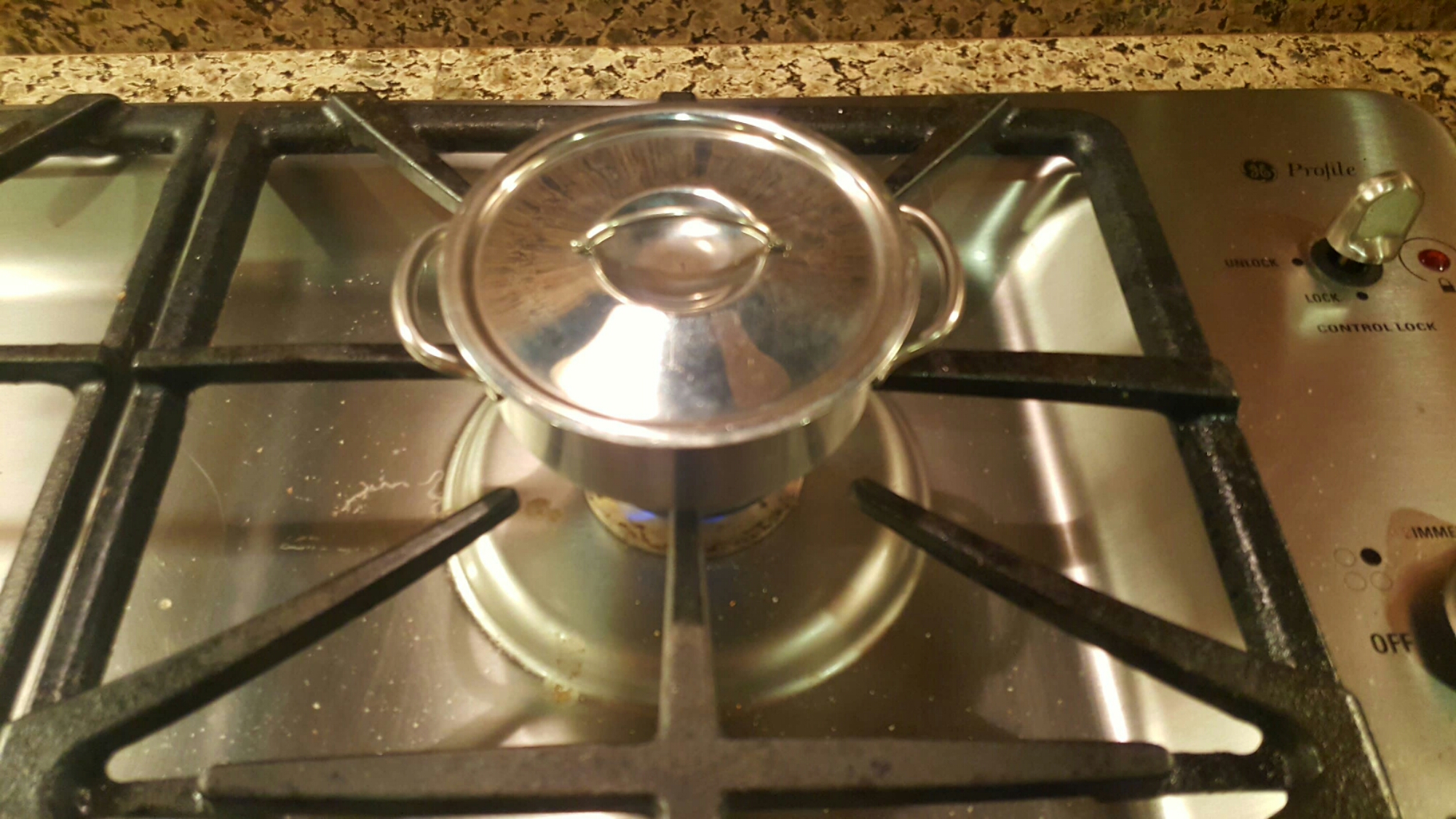
  1. In a saucepan, combine sugar, cannabis, and 1 1/2 cup of water. Cook over medium heat until the sugar is completely dissolved. 4-5 minutes. Then turn down the heat and let it simmer for 22 minutes.
  2. In the meantime, begin juicing your lemons until you are at 1 1/2 cup of liquid. I like to use a cheesecloth to strain out the pulp. If you’re a pulp person, then never mind this step.
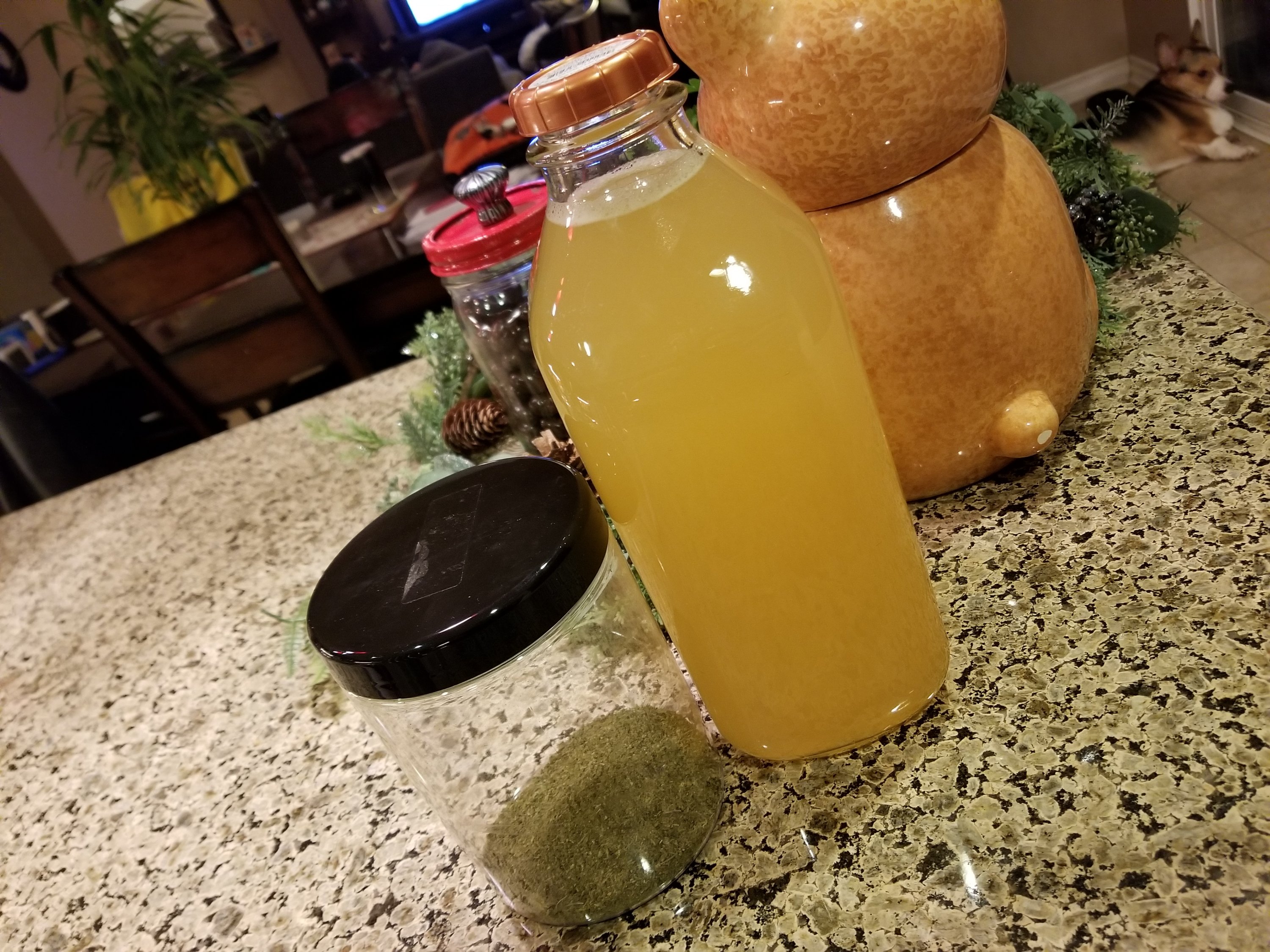
  3. Now, remove the cannabis syrup from the heat, strain, and pour into your pitcher. Stir in lemon juice. Let the syrup cool. Then, add the rest of the water and stir until well combined.
  4. Store in the refrigerator, and enjoy over ice.

*Note* So, for a 1 tbsp of cannabis per one pitcher, I found it to be very relaxing and soothing. It took 3 cups for me to actually feel any other effects, and really, that only helped me sleep deeper. So, if your one that prefers a mellow blend, then this recipe should do. For one that wishes for a stronger effect, add 1 or more tbsp to your sugar water mix.

*Note Note* If you are on a certain diabetic or keto restricted diet, then you can do what I actually did for this recipe. Substitute the cane sugar for your own sugar substitute. In this case, I used monk’s fruit sugar. Same measurement. Yum!

Step 1.

Step 2.

Step.3

I hope you enjoy this blend responsibly, and legally! Have fun!

If you found this article helpful, please like, share, and/or follow!

Cannabis Lemonade Is Our Way to Mellow Yellow!

Celebrating The Winter Solstice

We all celebrate the coming of the winter season in one form or another. Through different cultures, in many religions, traditions are upheld to bring cheer and joy into our hearts and homes. I find this definitely true in my household. We celebrate the season through natural traditions. I consider it as mixing both magick and paganism, as well as a sprinkle of my own way of honoring the coming winter.

Below, I will share a detailed list of the 12 activities that I do in my home. Hopefully this will help inspire anyone to create their own traditions, the way their hearts see fit.


P.S.

As an Amazon Associate I earn from qualifying purchases.

Thank you for the love and support!


Day One

«First Day Towards the Winter Solstice»

Candle Light Ritual

Begins with turning off all lights in the home. Lighting one candle, walk through the house, beginning at the front door. Chant:

Within the dark, the candle shall light the way.
For though winter is cold, it shall not reign.
Within the dark, our hope shall not die.
For soon the Sun will rise in the sky.
Within the dark, there is no despair.
For our shining souls will renew and repair.
So sing songs into the Winter night,
For soon the winds shall bring Spring light.

This is a beautiful ceremony, that blesses the long cold dark nights to come. You will notice a significant difference within the home once it’s been cast. Filled with warmth and hope. Either do this alone or with the family. It’s a nice way to do something together, and you can let the little ones hum lovely harmonies in the background. Or carry their own candles. Have fun with this!

Day Two

Holiday Decorations

As in all traditions, especially in America, neighborhoods everywhere are decorating their homes with merry lights and jingling wreaths. Solstice trees are being put up, covered in bright and glittering ornaments. Burning logs and long boughs of pine or holly are being placed over hearths. And for this household, that is exactly what is occurring as well.

Not only is it a tradition for most families, the glowing lights of winter symbolize hope that lives on in the darkest of nights. It is a manifestation of miracles, of positive magick, and of strength that lives within us even when the cold spirit of winter tries to steep into our bones.

So take the time, and decorate your home with holiday lights and decor. It’s fun to do alone, with holiday music blaring, and a glass of wine. Or get the friends or family together to make memorable moments, with hot chocolate and sugar cookies!

Day Three

Make A Wish Ornament

Exactly how it sounds, this is a powerful time to work wishing spells. How so? As the holidays are getting closer, people everywhere are growing excited to reunite with family, to give and receive gifts, or to begin a new year. Energy is rising, and the air is being charged for magick. That is why this is a perfect time to create wishing ornaments.

This enjoyable DIY craft is easy to do, and about anyone can do this. You can find any of the supplies at a Hobby Lobby, Walmart, Target, even the 99 store. You’ll need:

Choose your wish carefully, and write it down on the strip of paper. Decide on the proper glitter color that coordinates with your wish. Green for luck/money. Red for love/passion. Blue for health/peace. Yellow for creativity/success. Purple for power/spiritual assistance. Silver for earthly affairs. Gold for new beginnings. White for personal affairs. Mix of colors for a miracle.

Match your string color with your glitter color or mix match, depending on the wish. Roll up the strip of paper with your wish on it, tie it with string, then slide it into the ornament. Sprinkle however much of glitter over it, then place the top back on.

Hang this on your tree, or wherever you’ll like. There are some that hang it outdoors, over their hearth, or in nature. I like to keep mine. Every year, when I redecorate, I like to look upon my old wishes and see how they had came to be. It’s a great memento, and leaves me feeling thankful.

So wish wisely, and may your dreams come to be.

Day Four

Make a 12 Herb Sachet

This is a brilliant gift to give to friends or family. Having one for yourself is especially potent as well. Consider this recipe a magickal potpourri. A gift that promotes health, love, and protection. You’ll need:

Tie in a green or red cloth. Decorate it with symbols or jewels. Have fun with it. And give it to friends or family. You can substitute any of the ingredients with oils as well.

Day Five

Make a Yule Log

A popular pagan tradition is the Yule log. In essence, it is bringing in the spirit of nature, honoring them into your home to protect and nurture your own. I’ve seen many beautifully decorated Yule logs. They have been painted, glittered, wood carved, wood burned, wreathed, placed candles upon. There are so many different ways. Get creative in your own way of honoring the spirit of nature.

By the time of Yule, you either have the option to burn the whole log in ritual, or to light the candles.

Day Six

Create a Winter Spiral

This may be a different sort of tradition for most, but I found in the past few years, that this has become an enlightening experience at every new season for me. Otherwise known as a meditation labyrinth, these are walked upon to center one’s spirit and used to meditate on our paths of self realization.

There are some new age centers, universal spiritual churches that do have these meditation labyrinths, but if you don’t have any near by then I highly recommend building one yourself. Doesn’t have to be permanent, but it is a great path to have when you are in need for some deep meditation.

The path is simple. The rest of the journey is up to you. At the entrance, take a pause to breathe deeply for a few moments to clear your mind. Begin the first step, with not a question on where your going, but with whom you will find at the end? Then simply walk the spiral with a clear mind, and see what comes. If a thought or emotion emerges, mull over that and find its center meaning as you reach the center yourself. Take your time, nothing may come right away, and that is alright. The spiral is a place of peace and balance.

Walk back from the center in tranquility, all the while breathing deeply. When you are done, go in peace.

Day Seven

Honor The Spirits

Everyone deserves a good merry cheer for the holidays, and that includes the spirits of the dear departed as well. The cold dark nights often leave us feeling nostalgic and alone. Remembering those that have left us. This is why I decided to dedicate a special day just for our loved ones. I begin by setting up a special altar for them. Pictures, personal items, winter flowers, candles, incense, letters written for them, can all be placed on this altar.

The rest is up to you. Either a special ritual, or prayer is how you feel is right, then by all means. No matter what, they will hear you.

Day Eight

Warm Tea and Tarot

Every new season I like to do a fresh tarot reading to prepare and grow ever wiser of what is to come for the new season. What better way than to pair this together with a delicious warm cup of tea. Inspired by the winter season, I blended together a tea recipe that helps balance and induce mental and psychic powers. Grants wisdom and courage to face the unknown.

Together, with a deck of tarot cards makes for the best pairing. Be brave and lay out your tarot spread. And see what the future, or the present, may reveal.

Day Nine

Random Acts of Kindness

The title for this day alone explains it all. Though the winter season shouldn’t be the only excuse to be kind to strangers, it is a season for giving and to spread cheer. Whether to do acts of kindness in secret, or known, the moment we should all be looking for is the smile that brightens the day for a stranger. The fun part is thinking of way to surprise someone, because that’s really what it’s all about.

Help the need. Donate. Volunteer for charity. Pay for someone’s tab. Be kind is the saying. Speak it. Mean it. Do it. Be the example.

Day Ten

Bake Magickal Recipes

The days are ticking down, and now is the time to start prepping for the festivities. Everyone will be expecting those sweet delectable desserts. The sort that fills the belly with warmth and happiness. In every soft pastry there is a magick from people all over the world. As most have heard the saying, we put love in the foods we cook. The same goes for baking during the holidays. Although for some, they know all about the magickal meaning in the ingredients they mix together.

Whether it be cookies, pies, breads, or puddings, look up the magickal properties that each ingredient holds. You never know that you may be baking a pie for love. Or cookies for luck. Or a fruit salad for health. Know what you baking, so you can spread the magick into the lives you love.

Day Eleven

Give Gifts and Feast

Now is the eve of the Winter Solstice, and often times friends and family gather to enjoy a meal and give gifts! Then again, its up to everyone to decide when they would like to do this. Some choose to do this on Solstice day. So all could enjoy the symbolic fires of the yule log at sunset, and the rebirth of the Sun. So whichever you choose, this is still a wonderful time to gather together and be merry with one another.

Just as you would for Christmas, Hanukkah, etc, a beautiful feast is made for all to eat. Games are played. Carols are sung. New hope is wished upon. And gifts are exchanged. The thought alone brings me joy, and I look forward to this day with friends and family.

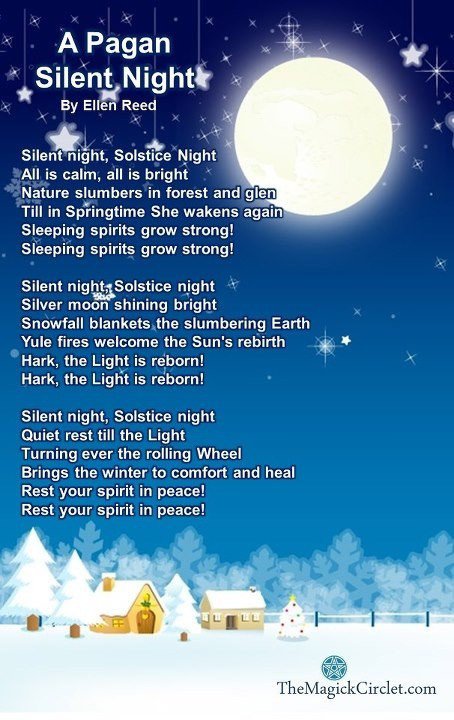
In fact, I would love to share a new type of carol song that has been modified for pagans. Growing up, I always enjoyed the tune for Silent Night. But when this new song A Pagan Silent Night was created, my heart fell in love. Now I always sing this song for the Solstice. May you and your family enjoy it as well.

Day Twelve

Burn The Yule Log and Celebrate

The day has come! All must celebrate. The new season is awakened, and the Sun shall be reborn when the new sunrise touches the sky! On this day, my husband and I like to begin with a beautiful breakfast, where then I can dedicate it to the sleeping Goddess, and to the new birth of the Sun. I gather together incense and candles. The blend I use is:

Grind together and burn over charcoal, light the candles and say together.

“We give honor and thanks to the sun for it’s sustenance, warmth, and light”

*Novae diluculo saluto* (say together)

And as our blessed mother earth is rebirth in the spring

So time is rebirth in the morning.

*Novae diluculo saluto*

*Blessed be the Goddess*

Enjoy the blessed morning meal.

Now once the day passes, and we are met with the longest night of the year, it is time to burn the yule log. Some simply light candles on the log, which is convenient for those that cannot enjoy a bonfire. But for those that can burn outdoors, it is quite an event. Tradition calls for waiting just before the sun rises. But often that isn’t the case for some that cannot stay up that long. So burn at your own time.

It is tradition in my home to usher in the new winter season. Therefore, I will share my personal ritual right below.

Ushering in the Winter

To prepare the Yule Log in the pit, set it up like you would for ritual. Stones, jewels, foods, offerings. Then chant:

The Goddess sleeps and is tucked away in the warmth of Earth.

She dreams and smiles of hope for the living.

Her heart is comforted by the rebirth of the Sun. Her spirit lives within the dormant seeds.

Today, She slumbers for Winter. Warmed by the fires of Yule.

Igniting the Flame

Flames of Winter warm Her bed. Snowfall be Her tears of joy. Mother Goddess, rest and claim the season! Let us be as one and embrace the spirit of peace.

Our mother is the Winter.

*We live because She lives*

Our mother is the Goddess.

*She lives freely within us*

Diana, Brigid, Hecate

*We celebrate Her*

We celebrate the tranquility of Mother Earth. She nourishes us with her bountiful love.

*Blessed be the Goddess*

Ashes of Log

We are now at the center of darkness. May the flame of the Sun illuminate from our hearts.

Collect the ashes and keep near, or use for power spells. Or save the ashes for the Summer Solstice.

I hope you’ve enjoyed this full detailed account of the traditions of my home. Are they similar to your own? Feel free to comment and share your story! Would love to hear it.

Sweet Winter Blessings!

Have a happy and festive Solstice!

Blessed Be

*Pictures sourced from Pinterest*

If you found this article to be helpful, please like, share, and/or follow!

We Celebrate The Winter Solstice!

Spring Equinox Bath Spell

Hi! And welcome!

Rejoice! For Spring has come again! With it, renewal, and new beginnings!

This is a time of sparkling new paths, and time of action towards a fulfilling year. What this Tea Witch’s house has in store is a purifying magickal bath to prepare the mind and heart for a new season, and for whatever Spring has to offer us.

This spell I did under the recent new moon night, however, this spell is also perfect for a day such as the Spring Equinox.

Lately, I’ve been inspired by bath and water magick. I guess it’s the season that’s stirred it. The weather being extra rainy this time of year.


P.S.

As an Amazon Associate I earn from qualifying purchases.

Thank you for the love and support!


RENEWAL BATH POTION

1/4 palm size Sandalwood, White or Red *You may use the essential oil like I did.
1/4 palm size Willow Bark, White
1/4 palm size Myrrh *Or you may use the essential oil like I did.
1/4 palm size Hemp (medicinal cannabis optional 😉) * For this particular recipe, I’m going to use an oil base.

First I’m brewing the blend in boiling water, then will let it steep, and cool till I’m ready for my bath. I’m calling for prosperous, protective, and transcendent energies.

Then later, I plan on drawing the bath, and blessing it with sea salt. Then use the tea blend to manifest my spell.
I’m going to use this spell to shed away my late seasonal energy, and renew for a greater prosperous and loving season. That is why I chose the Red Sandalwood. Go for White Sandalwood if calling for more of a calm relaxed season.

This is especially a great spell to do now, or night of the Equinox. I’m also going to use the dry herb blend for the same spell. But this time, I will be burying portions of it at each corner of my homeland for the same outcome.

So looking forward for what this new Spring Season is going to bring!

May it also grant you best wishes and hearty joy!

Blessed Be

)○(

If you found this article helpful, please like, share, and/or follow!

Spring Bath Potion

First Harvest Tea

WELCOME!

Today marks the first harvest as some would also associate this day as Lammas. This is a time of special blessings to family and friends when all come together to share a feast of breads and meal. Before such a gathering, the crops are harvested, and blessed with the energies of man and nature. These blessings are to summon good fortune for the coming Autumn Season.

Today, my husband and I have prepared a meal for two. We will light a blessing candle and share this feast in love and in balance. Last night, I created a dessert to fit the occasion. A delicious banana pudding. And to partake alongside such a scrumptious treat, I made a brew of tea to fill our minds and soul with creative wisdom.

Tis a perfect brew to share with friends and loved ones with some delicious breads and treats.


P.S.

As an Amazon Associate I earn from qualifying purchases.

Thank you for the love and support!


Creative Wisdom Tea

  • 1/4 cup of pitted Cherries (frozen, fresh, or canned)
  • 1 teaspoon of dried Sage (or 1 tablespoon of fresh)
  • 1 Black Tea bag.
  • slice of Lemon
  • add honey to your liking

*Recipe is per 1 cup.
*It is also delicious over ice, but if one wishes to make it this way, the recipe must be doubled.

Bring the cherries to a boil in a sauce pan, then simmer and steep for about 20-30 minutes. Afterwards, strain the fruit through a sieve, pressing the cherries. Discard the cherries, or do what I love to do and puree them for morning shakes (waste not). Return strained mixture to saucepan and bring to a slow boil. Add sage and tea and allow it to steep away from the heat for 5-10 minutes (the longer it steeps, the stronger the flavor). Strain the sage and tea, and add honey to sweeten and magically blend the brew together. Add a slice of lemon and enjoy!


Every time I brew a tea, I always say a prayer to bless it for the occasion. In this case, the chant was:

In this pot I enchant and brew,
A spell that is pure and true.
I conjure wisdom and creativity,
In this tea that honors the divinity.
As we drink, the magick shall spread.
Creativity and wisdom shall be our friend. 

So, brothers and sisters, have a beautiful first harvest and Lammas! Blessings to one and all!

*Please always be aware of your health and body. Always consult with a doctor if you have any questions or concerns. Do not drink if pregnant or nursing. Thank you!*

If you found this article interesting, please like, share, and/or follow!

FIRST HARVEST TEA RECIPE!