The Eternal Legacy of May 24th: Celebrating the Birth of Diana With Tea Ceremony

May 24th holds a special place in history as a day of reverence and celebration, dedicated to the birth of Diana, the Roman goddess of the hunt, the moon, and nature. Her legacy, rooted in ancient mythology, continues to inspire admiration and devotion in modern times. This article explores how Diana was historically honored and worshipped and how these traditions have evolved to the present day.

Ancient Reverence and Worship

In ancient Rome, Diana was a pivotal figure in both myth and daily life. She was revered not only as a huntress but also as a protector of women and children. Temples dedicated to Diana were scattered throughout the Roman Empire, the most famous being the Temple of Diana at Ephesus, one of the Seven Wonders of the Ancient World.

Festivals and Rituals

Nemoralia (Festival of Torches)
One of the most significant festivals in Diana’s honor was the Nemoralia, celebrated in August. Devotees would carry torches and candles around Lake Nemi, also known as “Diana’s Mirror,” in a nocturnal procession. This festival symbolized enlightenment and guidance through the darkness, reflecting Diana’s role as a lunar deity.

Offerings and Prayers
Worshippers would offer fruits, flowers, and sacrifices at her altars. Prayers for protection, fertility, and successful hunts were common. Women, in particular, sought Diana’s blessings for safe childbirth and health.

Sacred Groves
Diana’s worship was closely tied to natural surroundings. Sacred groves, like the one at Aricia near Lake Nemi, were considered her sanctuaries. These groves were places of pilgrimage where people would seek solace and spiritual connection with the goddess.


Modern-Day Honor and Worship

While the ancient practices have waned, the essence of Diana’s worship persists in contemporary spirituality, neo-paganism, and cultural celebrations. Here’s how Diana is honored today:

Neo-Pagan and Wiccan Traditions
Wiccan Sabbats
In modern Wicca, Diana is revered during specific Sabbats, particularly those that align with lunar phases and nature’s cycles. Rituals often involve moonlit ceremonies, reflecting her lunar association. Practitioners may invoke Diana for guidance, protection, and empowerment.

Nature Worship
Modern followers of Diana often engage in eco-spiritual practices. Celebrations in forests, by lakes, or under the night sky honor her connection to nature. These practices include tree planting, environmental activism, and meditations focused on the natural world.

Cultural Celebrations

Festivals and Events
In various parts of the world, festivals dedicated to Diana celebrate her mythological significance. These events often include reenactments of ancient rituals, storytelling, and artistic expressions like dance and music that pay homage to her legacy.

Art and Literature
Diana continues to inspire artists, writers, and filmmakers. Her image appears in contemporary art, literature, and media, symbolizing independence, strength, and the mystical connection between humanity and nature.

Personal Devotion

Altars and Shrines
Many individuals create personal altars or shrines dedicated to Diana in their homes or gardens. These spaces are adorned with symbols of the moon, hunting implements, and natural elements, serving as a focal point for daily devotion and meditation.

Spiritual Practices
Meditation, prayer, and rituals centered around the lunar cycles are common among those who honor Diana. These practices foster a personal connection with the goddess and her attributes.

The Timeless Appeal of Diana

Diana’s allure lies in her multifaceted nature. She embodies independence, strength, and a deep connection to the natural world, qualities that resonate across centuries and cultures. On May 24th, as we celebrate her birth, we acknowledge her enduring influence in both ancient and modern contexts.

From the torch-lit processions of ancient Rome to the moonlit rituals of today, Diana’s spirit endures, reminding us of our intrinsic bond with nature and the divine feminine. As we honor her, we continue a tradition that transcends time, celebrating a goddess whose legacy is as luminous as the moon she commands.

Celebrating the Birth of Diana With A Tea Ceremony and Feast

To honor the birth of Diana, the Roman goddess of the hunt, the moon, and nature, we can host a tea ceremony and feast that reflects her attributes and ancient traditions. This celebration will incorporate elements of nature, lunar symbolism, and traditional foods, creating a spiritual and festive atmosphere.

Tea Ceremony

Setting the Scene
Location
Ideally, host the ceremony outdoors in a garden, forest, or near a body of water to connect with Diana’s natural domains. If indoors, decorate with plants, flowers, and natural elements.

Altar
Create a small altar with symbols of Diana, such as a crescent moon, hunting tools (like a small bow and arrow), and images of animals. Place candles, preferably white or silver, to represent the moonlight, and fresh flowers.

Materials Needed:
– Teapot and cups
– Herbal tea blend (recipe below)
– Fresh flowers and herbs for decoration
– Candles
– Offering bowl

Herbal Tea Blend Recipe:
This tea blend uses herbs associated with Diana and the moon.

Ingredients:
– 1 part mugwort (for intuition and dreams)
– 1 part chamomile (for calm and healing)
– 1 part jasmine (for lunar energy and divination)
– 1 part lemon balm (for clarity and protection)
– Honey (optional, for sweetness)

Instructions:
1. Blend the dried herbs together and store in an airtight container.
2. To brew, place 1-2 teaspoons of the blend per cup of boiling water in the teapot.
3. Steep for 5-7 minutes.
4. Strain and serve with honey if desired.

Ceremony Steps
Opening Invocation
Light the candles and say a prayer or invocation to Diana, asking for her presence and blessings.

“Great Diana, goddess of the hunt, the moon, and nature, we honor you on this sacred day of your birth. Bless us with your wisdom, strength, and protection.”

Tea Brewing
Brew the tea with moon water. As the tea steeps, meditate on Diana’s qualities and how they can inspire you. Visualize the moonlight infusing the tea with her energy.

Pouring and Sharing
Pour the tea into cups and share it with your guests. As you drink, take a moment to reflect on Diana’s influence in your life and offer a silent or spoken gratitude.

Offerings
Place a small portion of tea and some flowers or herbs in the offering bowl as a gift to Diana.

Closing
Thank Diana for her presence and extinguish the candles, symbolizing the end of the ceremony.

Feast

Following the tea ceremony, a feast can further honor Diana with dishes that celebrate nature, the hunt, and traditional Italian flavors.

Menu!

Appetizer: Wild Mushroom and Herb Crostini

Main Course: Venison Stew with Root Vegetables

Side Dish: Farro Salad with Seasonal Vegetables

Dessert: Honey and Almond Cake
Beverage: Herbal Moon Elixir (non-alcoholic)

Recipes!

Wild Mushroom and Herb Crostini

Ingredients:
– 1 baguette, sliced
– 2 cups mixed wild mushrooms, cleaned and sliced
– 3 tbsp olive oil
– 2 cloves garlic, minced
– 1 tbsp fresh thyme
– 1 tbsp fresh rosemary
– Salt and pepper to taste
– Fresh parsley, chopped (for garnish)

Instructions:
1. Preheat the oven to 375°F (190°C).
2. Arrange the baguette slices on a baking sheet and brush with olive oil. Toast in the oven until golden brown.
3. In a skillet, heat the remaining olive oil over medium heat. Add the garlic and cook until fragrant.
4. Add the mushrooms, thyme, and rosemary. Cook until the mushrooms are tender and browned.
5. Season with salt and pepper. Spoon the mushroom mixture onto the toasted baguette slices.
6. Garnish with fresh parsley and serve warm.


Venison Stew with Root Vegetables

Ingredients:
– 2 lbs venison stew meat, cubed
– 3 tbsp olive oil
– 1 large onion, chopped
– 3 cloves garlic, minced
– 4 cups beef or vegetable broth
– 2 cups red wine
– 3 carrots, sliced
– 3 parsnips, sliced
– 2 potatoes, cubed
– 2 bay leaves
– 1 tbsp fresh thyme
– Salt and pepper to taste

Instructions:
1. In a large pot, heat the olive oil over medium-high heat. Add the venison and brown on all sides.
2. Remove the venison and set aside. In the same pot, add the onion and garlic and sauté until softened.
3. Return the venison to the pot and pour in the broth and red wine. Add the carrots, parsnips, potatoes, bay leaves, and thyme.
4. Bring to a boil, then reduce the heat to low and simmer for 1.5 to 2 hours, or until the venison and vegetables are tender.
5. Season with salt and pepper to taste. Remove the bay leaves before serving.


Farro Salad with Seasonal Vegetables

Ingredients:
– 1 cup farro
– 2 cups water or vegetable broth
– 1 cup cherry tomatoes, halved
– 1 cucumber, diced
– 1 bell pepper, diced
– 1/4 red onion, finely chopped
– 1/4 cup fresh parsley, chopped
– 1/4 cup fresh basil, chopped
– 3 tbsp olive oil
– 2 tbsp balsamic vinegar
– Salt and pepper to taste

Instructions:
1. Rinse the farro under cold water. In a medium pot, combine farro and water or broth. Bring to a boil, then reduce heat and simmer for about 25-30 minutes, or until farro is tender.
2. Drain any excess liquid and let the farro cool.
3. In a large bowl, combine the cooked farro, cherry tomatoes, cucumber, bell pepper, red onion, parsley, and basil.
4. In a small bowl, whisk together the olive oil and balsamic vinegar. Pour over the salad and toss to combine.
5. Season with salt and pepper to taste. Serve chilled or at room temperature.


Honey and Almond Cake

Ingredients:
– 1 cup all-purpose flour
– 1 cup almond flour
– 1/2 tsp baking powder
– 1/2 tsp baking soda
– 1/4 tsp salt
– 1/2 cup unsalted butter, softened
– 1/2 cup honey
– 2 large eggs
– 1/2 cup plain Greek yogurt
– 1 tsp vanilla extract
– 1/2 cup sliced almonds, for topping

Instructions:
1. Preheat your oven to 350°F (175°C). Grease and flour an 8-inch round cake pan.
2. In a medium bowl, whisk together the all-purpose flour, almond flour, baking powder, baking soda, and salt.
3. In a large bowl, beat the butter and honey together until light and fluffy. Add the eggs one at a time, beating well after each addition.
4. Mix in the yogurt and vanilla extract.
5. Gradually add the dry ingredients to the wet ingredients, mixing until just combined.
6. Pour the batter into the prepared cake pan and smooth the top. Sprinkle the sliced almonds evenly over the top.
7. Bake for 25-30 minutes, or until a toothpick inserted into the center comes out clean.
8. Allow the cake to cool in the pan for 10 minutes, then transfer to a wire rack to cool completely before serving.


Herbal Moon Elixir (Non-Alcoholic)

Ingredients:
– 4 cups moon water
– 1 tbsp dried lavender
– 1 tbsp dried chamomile
– 1 tbsp dried lemon balm
– 1 tbsp dried mint
– 1/4 cup honey
– 1 tbsp fresh lemon juice
– Fresh mint leaves and lemon slices for garnish

Instructions:
1. In a large pot, bring the moon water to a boil. Remove from heat and add the dried lavender, chamomile, lemon balm, and mint.
2. Cover and let steep for 15-20 minutes.
3. Strain the tea into a pitcher and stir in the honey and lemon juice until the honey is dissolved.
4. Let the elixir cool to room temperature, then refrigerate until chilled.
5. Serve over ice, garnished with fresh mint leaves and lemon slices.


Conclusion

This tea ceremony and feast are designed to honor Diana with a blend of traditional flavors and natural elements. By incorporating symbols of the goddess and the natural world, you create a meaningful and immersive celebration that pays tribute to Diana’s realms and attributes.
Celebrating Cake Day: Honoring the Divine and Ancestors with Sweet Offerings

February 28th marks a unique and heartwarming tradition known as Cake Day. This day is dedicated to the celebration of love, remembrance, and reverence through the universal language of cakes. It is a day when people across various cultures come together to bake and share little cakes as offerings to honor the gods and goddesses or to remember and pay homage to their ancestors. Cake Day is not just about indulging in sweet treats; it’s about the spirit of giving, sharing, and commemorating those who have left a lasting impact on our lives.


The Significance of Cakes in Rituals

Cakes have been a part of human celebrations and rituals for centuries. In many traditions, cakes are considered symbols of abundance, sweetness, and the joy of life. On Cake Day, these connotations take on a spiritual and ancestral significance. The act of baking and offering cakes is seen as a gesture of respect and gratitude towards the deities and ancestors, acknowledging their blessings and guidance in our lives.


Making Little Cakes: A Simple Recipe

To participate in the celebration of Cake Day, you don’t need to be a professional baker. Here’s a simple recipe for making little cakes that can be offered as part of your observance:

Ingredients:
– 1 cup all-purpose flour
– 1/2 cup sugar
– 1/4 cup butter, softened
– 1/4 cup milk
– 1 egg
– 1/2 teaspoon baking powder
– 1/4 teaspoon vanilla extract
– A pinch of salt

Instructions:
1. Preheat your oven to 350°F (175°C).
2. In a mixing bowl, cream together the butter and sugar until light and fluffy.
3. Beat in the egg and vanilla extract.
4. In another bowl, whisk together the flour, baking powder, and salt.
5. Gradually add the dry ingredients to the creamed mixture alternately with milk, starting and ending with the flour mixture. Mix until just combined.
6. Spoon the batter into greased mini muffin tins or small cake molds.
7. Bake for 10-15 minutes, or until a toothpick inserted into the center of a cake comes out clean.
8. Allow the cakes to cool before decorating them as desired or leaving them plain for a simple offering.


Cake Day Tea Ceremony

The Cake Day Tea Ceremony is a serene and heartfelt ritual that combines the simplicity of tea, the sweetness of cakes, and the beauty of flowers to honor and remember our ancestors. This ceremony is designed to create a moment of reflection, gratitude, and connection to our past, bridging the gap between the physical and spiritual worlds with each sip of tea and bite of cake. Here’s how you can conduct your own Cake Day Tea Ceremony:

Setting the Space
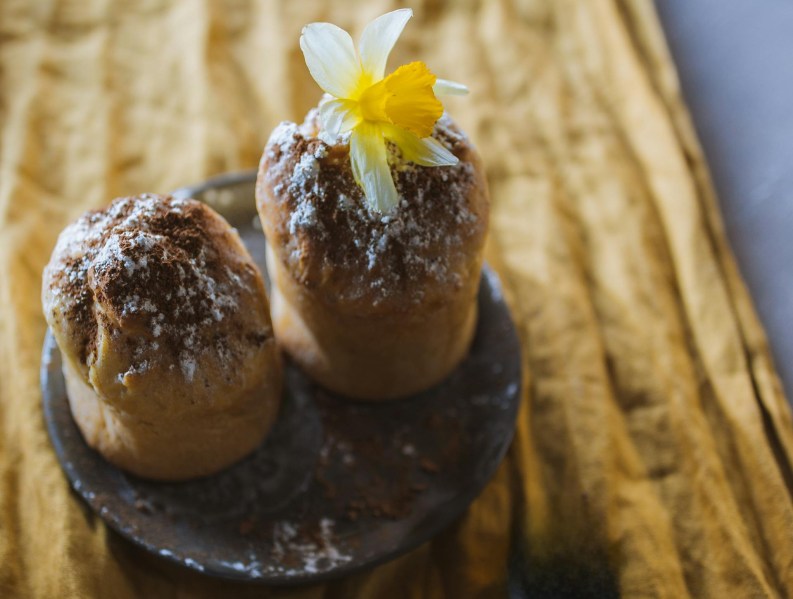
Find a quiet and comfortable space where you can set up a small altar or table for the ceremony. This space should be clean and arranged in a way that feels peaceful and sacred to you. On your altar or table, place a clean cloth. Arrange little cakes you’ve baked for the occasion along with fresh flowers, which symbolize the beauty and impermanence of life, such as irises or daffodils. You may also include photographs of your ancestors, heirlooms, or any other items that connect you to your heritage and loved ones who have passed.

Prepare the Tea
Select a tea that resonates with you spiritually or culturally. It could be a tea that your ancestors enjoyed or one that holds a particular meaning to your family. Before the ceremony, prepare the tea with mindfulness and care, pouring your intentions of honor and remembrance into every step.
My personal favorite on this day is a blend of oolong tea with chamomile and dried pear pieces.


Conducting the Ceremony
Begin the ceremony by lighting a candle to welcome the presence of your ancestors. This act symbolizes the light of their spirits and the warmth of their guidance in your life. Offer the tea and cakes and pour the tea into cups, placing them on the altar as offerings to your ancestors. Next to the cups, arrange the little cakes and flowers. As you do this, speak the names of the ancestors you wish to honor, or simply hold them in your heart with gratitude.

Sit in silence for a few minutes, allowing yourself to feel the presence of your ancestors. Reflect on the lessons they’ve taught you, the love they’ve shared, and the ways in which they’ve influenced your life. After spending a few moments in reflection, consume the tea and cakes yourself or share them with others present. This act symbolizes the sharing of wisdom, love, and blessings between the living and the dead, ensuring that the legacy of your ancestors is kept alive through you.

Conclude the ceremony by expressing your thanks to your ancestors for their presence and blessings. Blow out the candle to signify the end of the ceremony, carrying forward the warmth and light they’ve brought into your life.


Reflection
The Cake Day Tea Ceremony is an intimate and powerful way to connect with your ancestors and pay homage to their enduring presence in your life. Through the simple acts of sharing tea and cakes, you not only honor their memory but also weave their legacy into the fabric of your daily life. Let this ceremony be a reminder of the sweetness and love that transcends the boundaries of time and space, bringing you closer to your roots and heritage.


Conclusion
Cake Day is a beautiful tradition that brings together the sweetness of cakes and the depth of spiritual and ancestral respect. By baking little cakes and participating in a tea ceremony, we create a space to honor the divine and remember our ancestors. This celebration reminds us of the beauty of tradition, the importance of gratitude, and the universal language of food in expressing love and reverence. Let’s embrace Cake Day as an opportunity to connect with our roots and spread sweetness and joy in our communities.

Discovering the Magic of the Festival of Diana: Celebrating Nature and Femininity + Tea Cerem

The Festival of Diana, also known as the Feast of the Assumption of the Blessed Virgin Mary, is a celebration of nature and femininity that dates back to ancient Roman times. It is a time to honor the goddess Diana, who was viewed as the protector of nature, animals, childbirth, and women. This festival, not to be confused with the Feast of Diana on August 17th, is often celebrated February 12th. It is one of the oldest and most revered in the Pagan calendar, and it has been celebrated by different cultures around the world for centuries. The Festival of Diana is a time to connect with the natural world, to celebrate femininity, and to create a sense of community and belonging. In this post, we will explore the history and significance of the Festival of Diana, as well as how it is celebrated today. Join us on a journey of discovery as we explore the magic of this ancient and powerful festival!


Introduction to the Festival of Diana

The Festival of Diana is a captivating celebration that honors the essence of nature and femininity. Rooted in ancient traditions, this enchanting festival takes place every year in the heart of a lush forest, where participants gather to pay homage to the goddess Diana.

Diana, the Roman goddess of the moon, the hunt, and nature, embodies the strength and grace of femininity. She is revered for her connection to the wilderness, animals, and the cycles of life. The Festival of Diana is a time to celebrate and honor her divine presence, as well as to embrace the sacred bond between humans and the natural world.

If you were to step into the festival grounds, it would feel like entering a mystical realm. The air is filled with a sense of anticipation and excitement, as attendees from all walks of life come together to immerse themselves in the enchanting atmosphere. The forest is adorned with vibrant flowers, delicate ribbons, and mystical symbols, creating a visually stunning backdrop for the festivities.

As the sun sets, the festival comes alive with music, dance, and rituals that honor the goddess Diana. The sound of drums reverberates through the trees, creating a rhythmic heartbeat that draws everyone into a state of unity and connection. Performers don elaborate costumes, embodying the spirit of the goddess and captivating the audience with their mesmerizing movements.

Throughout the festival, workshops and ceremonies are held to deepen the understanding of Diana’s teachings and the importance of nurturing our connection to nature. Participants have the opportunity to learn from wise elders, engage in healing practices, and explore their own divine femininity.

The Festival of Diana is not just a celebration; it is a transformative experience that allows attendees to reconnect with their own inner magic and the magic of the natural world. It is a time to honor the cycles of life, embrace the power of femininity, and celebrate the beauty and abundance of nature.


The origins and history of the Festival

The Festival of Diana is a captivating celebration deeply rooted in ancient traditions and mythology. To truly appreciate the magic of this festival, it is essential to understand its origins and rich history.

Dating back to ancient Roman times, the Festival of Diana was originally dedicated to the goddess Diana, the divine embodiment of nature, fertility, and femininity. Diana, often associated with the moon and the hunt, was revered as a powerful deity who protected women and the natural world.

The festival was celebrated in various forms across different regions, but its core essence remained the same – a joyful tribute to the goddess and all that she represented. It was a time for communities to come together, honor the bountiful gifts of nature, and express gratitude for the feminine energy that permeated their lives.

Throughout history, the Festival of Diana evolved and adapted, incorporating elements from different cultures and belief systems. In some regions, it became intertwined with the celebration of the harvest, while in others, it merged with existing pagan rituals and festivities.

Despite its evolution, the festival has always maintained its focus on embracing the sacred connection between nature and femininity. It serves as a reminder of the inherent power and beauty found in both the natural world and the divine feminine energy.

Today, the Festival of Diana continues to enchant and inspire. It has transcended time and borders, captivating people from all walks of life who seek to reconnect with nature and celebrate the strength and grace of femininity.


The significance of Diana in ancient mythology

Diana, the goddess of the hunt and moon, holds a significant place in ancient mythology. Her origins trace back to the Roman pantheon, where she was revered as a powerful and independent deity. Diana represented not only the wild and untamed aspects of nature but also the embodiment of femininity and strength.

In ancient Roman culture, Diana was highly revered as the protector of forests, animals, and all things related to the natural world. She was often depicted as a skilled archer, swift and agile in her movements, symbolizing her connection to the hunt. This aspect of her character represented her ability to provide sustenance and protection to her followers.

Furthermore, Diana was seen as a symbol of femininity, independence, and empowerment. Many tales depicted her as a strong-willed and assertive goddess who rejected traditional gender roles and embraced her own unique path. She was often associated with female warriors and was seen as an inspiration for women to embrace their own strength and individuality.

The Festival of Diana celebrates these qualities and seeks to honor the goddess’s influence on ancient mythology. It serves as a reminder of the importance of nature and the divine feminine in our lives. Through various rituals, ceremonies, and festivities, participants can connect with the essence of Diana and tap into the ancient wisdom she represents.


The connection between nature and femininity in the Festival

The Festival of Diana is a celebration that beautifully intertwines the concepts of nature and femininity. This enchanting event pays homage to the Roman goddess Diana, who is closely associated with the natural world and the feminine spirit.

Nature plays a vital role in the Festival of Diana, as it is celebrated outdoors amidst the breathtaking beauty of lush greenery, blooming flowers, and serene landscapes. The setting itself becomes a reflection of the goddess’s domain, creating an atmosphere of harmony and connection with the natural world. Participants are encouraged to immerse themselves in the surroundings, taking in the sights, sounds, and scents of nature, which further enhances the experience.

Furthermore, the festival embraces and celebrates femininity in all its forms. Diana, as a goddess of the moon, represents the nurturing, intuitive, and powerful aspects of womanhood. During the festival, women are encouraged to embrace their feminine essence, channeling their inner strength and wisdom. This celebration serves as a reminder of the inherent connection between femininity and nature, as both possess a unique ability to nurture, create, and sustain life.

Throughout the festival, various rituals and ceremonies are conducted to honor both nature and femininity. These rituals may include offerings to the goddess, dances that mimic the movements of the natural world, and ceremonies that acknowledge the cyclical nature of life. Participants engage in these activities with a deep sense of reverence and respect, recognizing the profound interconnectedness between themselves, nature, and the divine feminine.

The Festival of Diana provides a transformative experience, allowing attendees to tap into the magic and wisdom that resides within the natural world and the feminine spirit. It serves as a beautiful reminder of the power and beauty that can be found when we embrace and honor the connection between nature and femininity.


Rituals and traditions associated with the Festival

The Festival of Diana is a celebration deeply rooted in ancient traditions and rituals that honor nature and femininity. These rituals have been passed down through generations, preserving the magic and significance of this enchanting festival.

One of the most cherished rituals associated with the Festival of Diana is the lighting of bonfires. As the sun sets, people gather around these flickering flames, their warm glow illuminating the night sky. It is believed that these fires symbolize the power of transformation and renewal. Participants offer prayers and wishes to the goddess Diana, seeking her blessings for abundance and protection.

Another significant tradition is the weaving of flower crowns. Fragrant blossoms, carefully chosen and delicately intertwined, create stunning headdresses that adorn the heads of both women and men. These floral crowns symbolize the connection between humans and nature, reminding us of the beauty and harmony that exists in the natural world.

During the Festival of Diana, a sacred procession takes place, led by priestesses dressed in flowing white robes. They carry baskets filled with offerings of fruits, herbs, and flowers, symbolizing gratitude for the bountiful gifts of the earth. As the procession moves through the streets, the air is filled with music and joyful chants, creating an atmosphere of celebration and reverence.

Throughout the festival, various ceremonies and performances take place, showcasing the talents and creativity of the community. Traditional dances, storytelling, and theatrical performances bring ancient myths and legends to life, captivating the audience and connecting them to their ancestral heritage.

These rituals and traditions are not merely symbolic gestures; they hold deep meaning and serve as a reminder of our interconnectedness with the natural world. By participating in these age-old practices, we honor the divine feminine energy and express our gratitude for the abundance and beauty that surrounds us.

As the Festival of Diana continues to enchant and inspire, it reminds us of the importance of preserving our traditions and connecting with our roots. Through these rituals, we tap into the magic that lies within us and embrace the profound connection between nature, femininity, and the human spirit.


Exploring the magical elements of the celebration

One of the most magical elements of the festival is the setting itself. The celebration takes place in a lush forest, where ancient trees tower overhead, creating a canopy that seems to touch the heavens. The air is filled with the sweet scent of flowers, and the gentle rustling of leaves provides a soothing backdrop to the festivities. It is as if the forest itself comes alive during this time, welcoming all who enter with open arms.

Another enchanting aspect of the festival is the rituals and traditions that are observed. These rituals are designed to connect participants with the divine feminine energy that permeates the natural world. From dance ceremonies that mimic the movements of the wind to offerings made to the goddess Diana, each ritual is a deeply meaningful and transformative experience.

The festival also showcases the incredible talent and creativity of its participants. Artists, musicians, and performers come together to create a vibrant tapestry of color and sound. The air is filled with the melody of music and the sight of beautifully crafted costumes and artwork. It is a feast for the senses, a true celebration of human creativity and expression.

But perhaps the most magical element of the Festival of Diana is the sense of community and connection that is fostered during this time. People come together as strangers and leave as friends, united by their shared love for nature and their reverence for the divine feminine. It is a time when walls come down, and people open their hearts to one another, creating a space of love, acceptance, and understanding.


How the Festival promotes empowerment and equality

The Festival of Diana is not just a celebration of nature and femininity; it also serves as a platform to promote empowerment and equality. This enchanting festival embraces the spirit of inclusivity, encouraging individuals from all walks of life to come together and celebrate their unique identities.

One of the key ways in which the Festival promotes empowerment is by showcasing the strength and resilience of women. Throughout history, women have often been marginalized and their contributions overlooked. However, the Festival of Diana aims to shine a spotlight on the achievements of women, both past and present, and to inspire others to embrace their own power.

During the festival, various activities and workshops are organized to foster a sense of empowerment among attendees. These may include discussions on gender equality, self-care practices, and personal development. By providing a safe and supportive environment for individuals to share their experiences and learn from one another, the Festival of Diana encourages personal growth and self-empowerment.

Additionally, the festival promotes equality by challenging traditional gender roles and stereotypes. It celebrates the diversity of gender identities and encourages individuals to express themselves authentically, free from societal expectations. Through artistic performances, exhibitions, and interactive experiences, the Festival of Diana fosters an atmosphere of acceptance and understanding, where everyone is encouraged to embrace their true selves.

Furthermore, the festival actively supports initiatives and organizations that work towards gender equality and women’s rights. Whether through fundraising efforts, partnerships, or advocacy, the Festival of Diana aims to make a tangible difference in the fight for equality, both within its own community and beyond.

In conclusion, the Festival of Diana is more than just a celebration of nature and femininity. It is a powerful platform for promoting empowerment and equality, fostering personal growth, and challenging societal norms. By embracing these principles, the festival creates a magical and transformative experience for all who attend, leaving a lasting impact on the lives of its participants.


Embracing the spirit of the Festival in your own life

Embracing the spirit of the Festival of Diana is not limited to just attending the event itself. You can bring the magic and essence of this celebration into your own life, embracing nature and femininity in meaningful ways.

One way to connect with the festival’s spirit is by spending time in nature, whether it’s in a local park, your backyard, or even a nearby forest. Take a moment to appreciate the beauty around you, the vibrant colors, the soothing sounds, and the gentle breeze. Allow yourself to be fully present in the moment, soaking in the natural elements and feeling a sense of oneness with the earth.

Another way to embrace the festival’s spirit is by honoring femininity. This can mean different things to different people, but it ultimately involves celebrating and valuing the qualities of compassion, intuition, creativity, and strength that are often associated with femininity. Take time to explore your own femininity, whether through self-reflection, creative expression, or engaging in activities that make you feel empowered and connected to your inner self.

Additionally, you can incorporate rituals and traditions inspired by the festival into your own life. This could involve creating a personal altar dedicated to nature and femininity, performing rituals that honor the changing seasons, or participating in activities that promote self-care and self-discovery. These rituals can serve as reminders of the festival’s significance and help you cultivate a deeper connection with the natural world and your own feminine energy.

Finally, don’t forget to share the magic and joy of the Festival of Diana with others. Invite friends or loved ones to join you in your nature walks, host gatherings or workshops that celebrate femininity, or simply engage in conversations that promote a deeper appreciation for the beauty and power of nature. By spreading the spirit of the festival, you contribute to a collective sense of connection and reverence for the natural world.

Incorporating the essence of the Festival of Diana into your own life allows you to tap into a deeper understanding of nature, femininity, and the magic that surrounds us. By embracing these principles and infusing them into your daily routines, you can cultivate a sense of harmony, joy, and reverence for the world around you.


We hope you enjoyed diving into the enchanting world of the Festival of Diana with us. This ancient celebration holds a special place in honoring nature and femininity, and it’s a true testament to the power of ancient traditions that still resonate today. By embracing the magic and symbolism of the festival, we can reconnect with the natural world and celebrate the divine feminine within ourselves and others. May this blog post inspire you to explore the depths of this mystical celebration and embrace the beauty and strength that lies in the celebration of nature and femininity.

Tea Ceremony of Diana

LUNARIA

In celebration of the festival of Diana, the goddess of the hunt, nature, and the moon, a tea ceremony is organized to honor the connection between humanity and the natural world, reflecting Diana’s domains and virtues. This ceremony, named “Lunaria,” is designed to be held under the gentle glow of the moon, ideally during a full moon to fully capture the essence of Diana’s power. But it may be enjoyed during the festival.


The ceremony takes place in a serene outdoor setting, preferably in a forest clearing or a garden surrounded by natural beauty, where the moonlight can touch the gathering directly. The area is decorated with moon and forest-themed decor, including silver and green accents, representations of deer or hounds, and an altar dedicated to Diana with offerings of fruits, grains, and fresh water.

Participants:
Participants dress in light, flowing garments, with colors inspired by the night sky, moonlight, and natural foliage. They are encouraged to wear wreaths or headpieces made of silver leaves or branches to symbolize their connection to nature and Diana’s realm.

The Tea Ceremony:
1. The ceremony begins with an invocation to Diana, asking for her blessings, protection, and guidance. This is done by the lead celebrant, who is chosen for their knowledge of Diana and their ability to guide communal rituals.

2. Participants cleanse their hands in moon-blessed water, symbolizing the removal of impurities and preparation to receive Diana’s wisdom.

3. A special tea blend, embodying the essence of the forest and the moon, is prepared.

Ingredients:

Silver needle white tea, for purity

Jasmine, for the moon

Mint or rosemary, for the forest.

The tea is brewed in a transparent or moon-themed teapot, allowing the moonlight to infuse the tea with its energy.

4. As the tea steeps, participants are invited to meditate on their personal connection to nature and the ways they can live in harmony with the natural world, reflecting on Diana’s teachings and virtues.

5. The tea is served in cups that reflect the natural world, such as those made from clay or adorned with images of the forest and moon. Participants drink in silence, contemplating the interconnectedness of all life and the blessings of Diana.

6. After the tea, participants make personal offerings at the altar of Diana, such as poems, songs, or small tokens of nature. They share prayers or wishes for protection, guidance, and a deeper connection to the natural world.

7. The ceremony concludes with a communal thanksgiving to Diana for her blessings and a reaffirmation of the participants’ commitment to protecting and honoring nature. This is followed by a shared meal featuring foods that are in season and harvested sustainably, celebrating the bounty of the Earth.

Reflection:
After the ceremony, participants are encouraged to spend time in nature, reflecting on their experience and the ways they can embody Diana’s virtues in their daily lives, fostering a deeper respect for the natural world and its cycles.

Festival of Hecate

August 24th,

Marks the Festival of Hecate. Day and Night of the Dark Mother. Of Earth and Sky. Keeper of the crossroads. Seer of the unknown. Queen of the witches. She speaks, and all remains silent for Her. For those that are guided by Her wisdom, honor Her on this day, her ascension from the underworld, with offerings of Earth, Heart, and Soul.

Interestingly enough, the days for this festival can be concluded by who traditionally worships Hecate. Most who honor Hecate, begin to honor her on August 13th. Which aligns with the dark moon, and the perseids meteor shower. This time symbolizes her descent into the underworld and the harvests of the earth.

Fun fact, August 13th was also worshipped for the festival of Diana. Where her followers celebrated her in the groves at Nemi. This festival lasted for up to a week of festivities, food, and dance.

Now, back to Hecate.

Both of these festivals were and are very similar. Especially considering that both Diana and Hecate are triple goddesses, some associate them as one deity. Like I do. Diana to me, is the maiden form, and Hecate is the crone form. Now, on this day, Hecate has had already descended into the underworld, and now begins to rise again to the heavens from her wise journey. And as the Full moon grows full, so will she claim herself as Queen again. With new knowledge and mysteries from the underworld. So, we invoke her and honor her, in hopes for her protection for the coming season, and for her new found wisdom.

How do we honor this Great and Ancient Goddess?

Personally, I honor each of her crossroads. I leave offerings of earth, sky, flame, and sea at each pathway, to open the doors for Her guidance. Her offerings include:

Eggs, Lavender, Honey, Garlic, Baked Goods

Incense, Candles, Daggers, Keys

Having your dog familiar by your side

These are just to name a few. But follow your heart of which offerings would be best for you to give.

I love to leave her lavender honey tea, and burn my special blend of incense for her.


P.S.

As an Amazon Associate I earn from qualifying purchases.

Thank you for the love and support!


HECATE’S INCENSE

This is the blend I burn while invoking the Goddess Hecate. Add even portions of the ingredients shown, and/or add odd drops of the essential oils to the blend. Smells divine when burned, and uplifts the soul. While the smoke fills the air, call out to Hecate with your own heartfelt chant and await her guidance. If you decide to have your familiar close by, pay special attention to their reaction. Hecate always greets dogs, and reveals herself to them. Keep an eye out for signs, or listen soundly. Often, she comes in dreams in the dead of the night, and reveals her messages then.

Essential Oils

I hope this night brings special moments for you, and Hecate grants you her wise guidance.

If this article was helpful, please like, share, or follow!

HECATE’S INCENSE BLEND