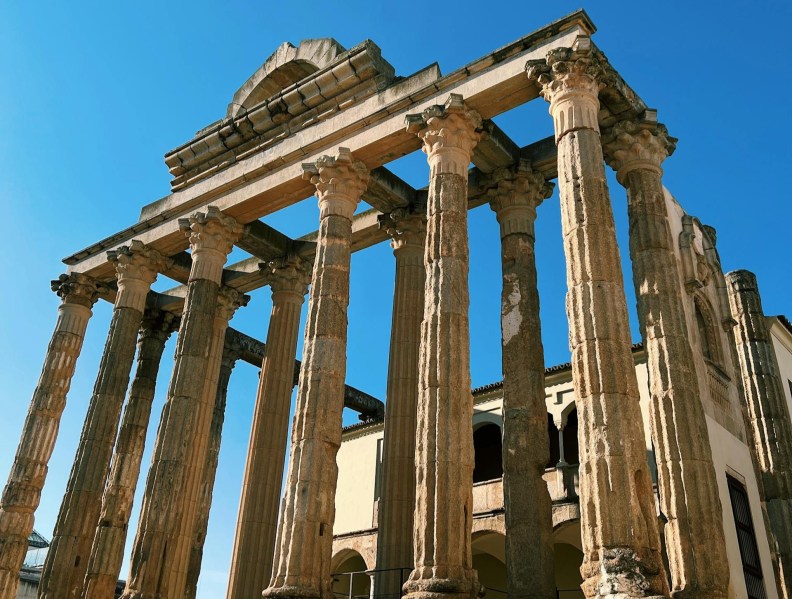

May 24th holds a special place in history as a day of reverence and celebration, dedicated to the birth of Diana, the Roman goddess of the hunt, the moon, and nature. Her legacy, rooted in ancient mythology, continues to inspire admiration and devotion in modern times. This article explores how Diana was historically honored and worshipped and how these traditions have evolved to the present day.
Ancient Reverence and Worship
In ancient Rome, Diana was a pivotal figure in both myth and daily life. She was revered not only as a huntress but also as a protector of women and children. Temples dedicated to Diana were scattered throughout the Roman Empire, the most famous being the Temple of Diana at Ephesus, one of the Seven Wonders of the Ancient World.
Festivals and Rituals
Nemoralia (Festival of Torches)
One of the most significant festivals in Diana’s honor was the Nemoralia, celebrated in August. Devotees would carry torches and candles around Lake Nemi, also known as “Diana’s Mirror,” in a nocturnal procession. This festival symbolized enlightenment and guidance through the darkness, reflecting Diana’s role as a lunar deity.
Offerings and Prayers
Worshippers would offer fruits, flowers, and sacrifices at her altars. Prayers for protection, fertility, and successful hunts were common. Women, in particular, sought Diana’s blessings for safe childbirth and health.
Sacred Groves
Diana’s worship was closely tied to natural surroundings. Sacred groves, like the one at Aricia near Lake Nemi, were considered her sanctuaries. These groves were places of pilgrimage where people would seek solace and spiritual connection with the goddess.
Modern-Day Honor and Worship
While the ancient practices have waned, the essence of Diana’s worship persists in contemporary spirituality, neo-paganism, and cultural celebrations. Here’s how Diana is honored today:
Neo-Pagan and Wiccan Traditions
Wiccan Sabbats
In modern Wicca, Diana is revered during specific Sabbats, particularly those that align with lunar phases and nature’s cycles. Rituals often involve moonlit ceremonies, reflecting her lunar association. Practitioners may invoke Diana for guidance, protection, and empowerment.
Nature Worship
Modern followers of Diana often engage in eco-spiritual practices. Celebrations in forests, by lakes, or under the night sky honor her connection to nature. These practices include tree planting, environmental activism, and meditations focused on the natural world.
Cultural Celebrations
Festivals and Events
In various parts of the world, festivals dedicated to Diana celebrate her mythological significance. These events often include reenactments of ancient rituals, storytelling, and artistic expressions like dance and music that pay homage to her legacy.
Art and Literature
Diana continues to inspire artists, writers, and filmmakers. Her image appears in contemporary art, literature, and media, symbolizing independence, strength, and the mystical connection between humanity and nature.
Personal Devotion
Altars and Shrines
Many individuals create personal altars or shrines dedicated to Diana in their homes or gardens. These spaces are adorned with symbols of the moon, hunting implements, and natural elements, serving as a focal point for daily devotion and meditation.
Spiritual Practices
Meditation, prayer, and rituals centered around the lunar cycles are common among those who honor Diana. These practices foster a personal connection with the goddess and her attributes.
The Timeless Appeal of Diana
Diana’s allure lies in her multifaceted nature. She embodies independence, strength, and a deep connection to the natural world, qualities that resonate across centuries and cultures. On May 24th, as we celebrate her birth, we acknowledge her enduring influence in both ancient and modern contexts.
From the torch-lit processions of ancient Rome to the moonlit rituals of today, Diana’s spirit endures, reminding us of our intrinsic bond with nature and the divine feminine. As we honor her, we continue a tradition that transcends time, celebrating a goddess whose legacy is as luminous as the moon she commands.
Celebrating the Birth of Diana With A Tea Ceremony and Feast
To honor the birth of Diana, the Roman goddess of the hunt, the moon, and nature, we can host a tea ceremony and feast that reflects her attributes and ancient traditions. This celebration will incorporate elements of nature, lunar symbolism, and traditional foods, creating a spiritual and festive atmosphere.
Tea Ceremony
Setting the Scene
Location
Ideally, host the ceremony outdoors in a garden, forest, or near a body of water to connect with Diana’s natural domains. If indoors, decorate with plants, flowers, and natural elements.
Altar
Create a small altar with symbols of Diana, such as a crescent moon, hunting tools (like a small bow and arrow), and images of animals. Place candles, preferably white or silver, to represent the moonlight, and fresh flowers.
Materials Needed:
– Teapot and cups
– Herbal tea blend (recipe below)
– Fresh flowers and herbs for decoration
– Candles
– Offering bowl
Herbal Tea Blend Recipe:
This tea blend uses herbs associated with Diana and the moon.
Ingredients:
– 1 part mugwort (for intuition and dreams)
– 1 part chamomile (for calm and healing)
– 1 part jasmine (for lunar energy and divination)
– 1 part lemon balm (for clarity and protection)
– Honey (optional, for sweetness)
Instructions:
1. Blend the dried herbs together and store in an airtight container.
2. To brew, place 1-2 teaspoons of the blend per cup of boiling water in the teapot.
3. Steep for 5-7 minutes.
4. Strain and serve with honey if desired.
Ceremony Steps
Opening Invocation
Light the candles and say a prayer or invocation to Diana, asking for her presence and blessings.
“Great Diana, goddess of the hunt, the moon, and nature, we honor you on this sacred day of your birth. Bless us with your wisdom, strength, and protection.”
Tea Brewing
Brew the tea with moon water. As the tea steeps, meditate on Diana’s qualities and how they can inspire you. Visualize the moonlight infusing the tea with her energy.
Pouring and Sharing
Pour the tea into cups and share it with your guests. As you drink, take a moment to reflect on Diana’s influence in your life and offer a silent or spoken gratitude.
Offerings
Place a small portion of tea and some flowers or herbs in the offering bowl as a gift to Diana.
Closing
Thank Diana for her presence and extinguish the candles, symbolizing the end of the ceremony.
Feast
Following the tea ceremony, a feast can further honor Diana with dishes that celebrate nature, the hunt, and traditional Italian flavors.
Menu!
Appetizer: Wild Mushroom and Herb Crostini
Main Course: Venison Stew with Root Vegetables
Side Dish: Farro Salad with Seasonal Vegetables
Dessert: Honey and Almond Cake
Beverage: Herbal Moon Elixir (non-alcoholic)
Recipes!
Wild Mushroom and Herb Crostini
Ingredients:
– 1 baguette, sliced
– 2 cups mixed wild mushrooms, cleaned and sliced
– 3 tbsp olive oil
– 2 cloves garlic, minced
– 1 tbsp fresh thyme
– 1 tbsp fresh rosemary
– Salt and pepper to taste
– Fresh parsley, chopped (for garnish)
Instructions:
1. Preheat the oven to 375°F (190°C).
2. Arrange the baguette slices on a baking sheet and brush with olive oil. Toast in the oven until golden brown.
3. In a skillet, heat the remaining olive oil over medium heat. Add the garlic and cook until fragrant.
4. Add the mushrooms, thyme, and rosemary. Cook until the mushrooms are tender and browned.
5. Season with salt and pepper. Spoon the mushroom mixture onto the toasted baguette slices.
6. Garnish with fresh parsley and serve warm.
Venison Stew with Root Vegetables
Ingredients:
– 2 lbs venison stew meat, cubed
– 3 tbsp olive oil
– 1 large onion, chopped
– 3 cloves garlic, minced
– 4 cups beef or vegetable broth
– 2 cups red wine
– 3 carrots, sliced
– 3 parsnips, sliced
– 2 potatoes, cubed
– 2 bay leaves
– 1 tbsp fresh thyme
– Salt and pepper to taste
Instructions:
1. In a large pot, heat the olive oil over medium-high heat. Add the venison and brown on all sides.
2. Remove the venison and set aside. In the same pot, add the onion and garlic and sauté until softened.
3. Return the venison to the pot and pour in the broth and red wine. Add the carrots, parsnips, potatoes, bay leaves, and thyme.
4. Bring to a boil, then reduce the heat to low and simmer for 1.5 to 2 hours, or until the venison and vegetables are tender.
5. Season with salt and pepper to taste. Remove the bay leaves before serving.
Farro Salad with Seasonal Vegetables
Ingredients:
– 1 cup farro
– 2 cups water or vegetable broth
– 1 cup cherry tomatoes, halved
– 1 cucumber, diced
– 1 bell pepper, diced
– 1/4 red onion, finely chopped
– 1/4 cup fresh parsley, chopped
– 1/4 cup fresh basil, chopped
– 3 tbsp olive oil
– 2 tbsp balsamic vinegar
– Salt and pepper to taste
Instructions:
1. Rinse the farro under cold water. In a medium pot, combine farro and water or broth. Bring to a boil, then reduce heat and simmer for about 25-30 minutes, or until farro is tender.
2. Drain any excess liquid and let the farro cool.
3. In a large bowl, combine the cooked farro, cherry tomatoes, cucumber, bell pepper, red onion, parsley, and basil.
4. In a small bowl, whisk together the olive oil and balsamic vinegar. Pour over the salad and toss to combine.
5. Season with salt and pepper to taste. Serve chilled or at room temperature.
Honey and Almond Cake
Ingredients:
– 1 cup all-purpose flour
– 1 cup almond flour
– 1/2 tsp baking powder
– 1/2 tsp baking soda
– 1/4 tsp salt
– 1/2 cup unsalted butter, softened
– 1/2 cup honey
– 2 large eggs
– 1/2 cup plain Greek yogurt
– 1 tsp vanilla extract
– 1/2 cup sliced almonds, for topping
Instructions:
1. Preheat your oven to 350°F (175°C). Grease and flour an 8-inch round cake pan.
2. In a medium bowl, whisk together the all-purpose flour, almond flour, baking powder, baking soda, and salt.
3. In a large bowl, beat the butter and honey together until light and fluffy. Add the eggs one at a time, beating well after each addition.
4. Mix in the yogurt and vanilla extract.
5. Gradually add the dry ingredients to the wet ingredients, mixing until just combined.
6. Pour the batter into the prepared cake pan and smooth the top. Sprinkle the sliced almonds evenly over the top.
7. Bake for 25-30 minutes, or until a toothpick inserted into the center comes out clean.
8. Allow the cake to cool in the pan for 10 minutes, then transfer to a wire rack to cool completely before serving.
Herbal Moon Elixir (Non-Alcoholic)
Ingredients:
– 4 cups moon water
– 1 tbsp dried lavender
– 1 tbsp dried chamomile
– 1 tbsp dried lemon balm
– 1 tbsp dried mint
– 1/4 cup honey
– 1 tbsp fresh lemon juice
– Fresh mint leaves and lemon slices for garnish
Instructions:
1. In a large pot, bring the moon water to a boil. Remove from heat and add the dried lavender, chamomile, lemon balm, and mint.
2. Cover and let steep for 15-20 minutes.
3. Strain the tea into a pitcher and stir in the honey and lemon juice until the honey is dissolved.
4. Let the elixir cool to room temperature, then refrigerate until chilled.
5. Serve over ice, garnished with fresh mint leaves and lemon slices.
Conclusion
This tea ceremony and feast are designed to honor Diana with a blend of traditional flavors and natural elements. By incorporating symbols of the goddess and the natural world, you create a meaningful and immersive celebration that pays tribute to Diana’s realms and attributes.














 The Tea Witch Blog