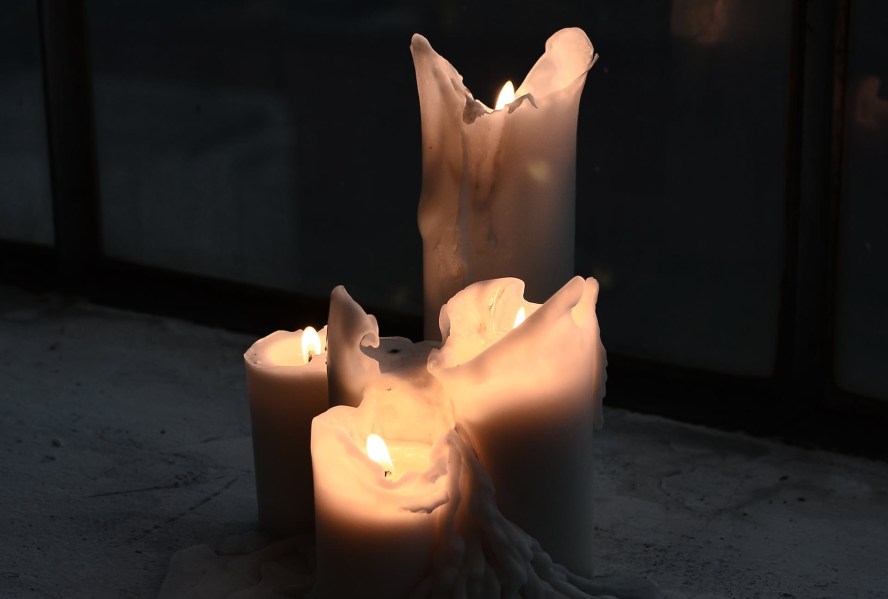
In the deep midwinter, when the cold seems unyielding, a festival of fire and light breaks the monotony with promises of spring and renewal. This is Imbolc, an ancient Celtic festival that has evolved through time but still holds fast to the essence of its inception: the reawakening of the earth and the heralding of new life.
The Roots of Imbolc
The earliest history of Imbolc is interwoven with the pastoral calendar of the Celtic people. As a culture deeply connected to the rhythms of nature, the Celts marked Imbolc as a pivotal point in the year. It was a time when the ewes began to lactate, signaling the beginning of the lambing season, an undeniable sign that the harshness of winter would soon give way to the bounty of spring.
The festival is traditionally held on February 1st, a date that falls approximately halfway between the winter solstice and the spring equinox. This timing is no coincidence; it reflects the ancient understanding of the balance between darkness and light, cold and warmth, death and rebirth.
From a seasonal perspective, Imbolc represents the awakening of nature after the long winter slumber. As the days gradually lengthen and the temperatures slowly rise, Imbolc symbolizes the first signs of spring’s arrival. It is a time when farmers and gardeners eagerly prepare for the upcoming planting season, anticipating the rejuvenation and growth that nature will soon provide.
Imbolc also serves as a reminder of the cyclical nature of life and the importance of inner transformation. Just as nature undergoes a period of rest and renewal during winter, individuals can reflect on their own personal journeys. It is a time to release old habits, set new intentions, and embark on a path of self-improvement and growth.
Imbolc offers a beautiful opportunity to honor the interconnectedness of nature, spirituality, and personal growth. Whether through participating in community gatherings or embracing personal rituals, individuals can tap into the ancient origins and modern significance of Imbolc, finding inspiration, renewal, and a deep connection to the cycles of life.
Brigid: Goddess and Saint
Central to the celebration of Imbolc is Brigid, initially revered as a goddess in the Celtic pantheon. A multifaceted deity, Brigid was the patroness of healers, poets, smiths, childbirth, and the hearth. She symbolized the fertile and creative aspect of the natural world. With the arrival of Christianity, the goddess Brigid was transformed into Saint Brigid of Kildare, a beloved figure in the Irish Christian tradition. However, the goddess’s attributes were so ingrained in the cultural consciousness that many of the pagan customs associated with her continued, albeit with a Christian veneer.
Brigid’s association with fire is particularly significant during Imbolc, as it marks the halfway point between the winter solstice and the spring equinox. As the days gradually lengthen, her presence serves as a reminder of the impending arrival of spring and the promise of new beginnings. This time of year is often seen as a fertile period, both in terms of the land and personal growth, and Brigid’s energy is thought to inspire and support these transformations.
In modern times, many people continue to honor Brigid during Imbolc by incorporating her symbolism and traditions into their celebrations. Some may create Brigid’s altars adorned with candles, flowers, and symbols of creativity and inspiration. Others may partake in healing rituals, seeking her guidance for physical or emotional well-being. Regardless of the specific practices, the essence of Brigid and her connection to Imbolc serve as a reminder of the ancient wisdom and enduring power of the divine feminine.
Brigid’s presence infuses this festival with a sense of reverence, renewal, and the anticipation of brighter days ahead. By acknowledging and honoring Brigid during Imbolc, we honor the sacred feminine energy within ourselves and connect to the ancient threads that bind us to our ancestors and the natural world.
Fires of Purification and Illumination
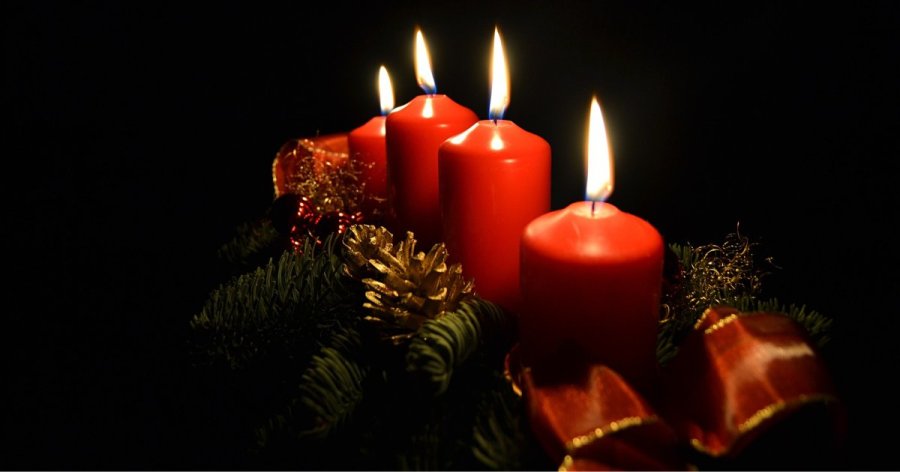
Fire played a central role in the festivities of Imbolc, emblematic of the rebirth of the Sun and the vital life force stirring in the womb of the earth. Hearth fires were rekindled, and candles lit to represent the returning warmth and light. Bonfires were also a common feature, with their flames signifying purification and the triumph of light over darkness.
Modern Celebrations
Today, Imbolc is embraced by many neo-pagans, Wiccans, and those inspired by the mythic past. The festival is still a time for purification and renewal. Homes are cleaned thoroughly; the remnants of the old year are swept away, making room for the new. It’s also a time for personal reflection and the setting of intentions. Just as the seeds beneath the earth are preparing to burst forth, individuals are encouraged to nurture their aspirations and prepare for personal growth.
One way to incorporate Imbolc traditions is by creating an altar dedicated to this special day. Choose items that symbolize the themes of Imbolc, such as candles, representations of Brigid, and symbols of new beginnings like seeds or sprouting plants. Light the candles and take a moment to reflect on the warmth and light returning to the world.
Candle-making! Imbolc is closely associated with the element of fire and the symbolism of light. Making candles is a beautiful way to connect with this element and create a warm, inviting atmosphere in your home. You can experiment with different colors and scents that evoke the energy of Imbolc, such as white for purity, yellow for sunlight, or lavender for healing.
Another tradition is to engage in purification rituals. Imbolc is often associated with cleansing and purifying, both physically and spiritually. Take a ritual bath with herbs like lavender or rosemary, or cleanse your sacred space with sage or palo santo. As you cleanse, visualize releasing any stagnant energy and making space for new growth and abundance.
Imbolc is also a time for divination and setting intentions for the year ahead. You can use tarot cards, runes, or other divination tools to gain insight and guidance. Take time to meditate or journal about your goals and aspirations for the coming months. Set intentions that align with the energy of Imbolc – new beginnings, creativity, and nurturing your inner flame.
Imbolc is a time of sowing seeds both literally and metaphorically. It symbolizes the potential for growth and the nurturing of new ideas and dreams. Start your own indoor herb garden or plant seeds outdoors in preparation for the coming spring. As you tend to these plants, visualize your intentions and aspirations taking root and blossoming in the months ahead.
Lastly, don’t forget to connect with nature during this time. Imbolc is closely tied to the awakening of the earth and the first signs of spring. Take a walk in nature, observe the budding trees and early flowers, and express gratitude for the cycles of the seasons. Consider planting seeds or tending to indoor plants as a symbol of nurturing your own growth and potential.
Imbolc Traditions
Traditional practices include the crafting of Brigid’s crosses from reeds or straw, a custom believed to invite protection and blessings from the saint. Another ritual is the making of a “Brigid’s bed,” a small receptacle where a figurine of Brigid is placed, accompanied by a white wand or candle, symbolizing fertility and the return of the light.
Holy wells, too, are visited during Imbolc. Offerings of coins or clooties (small strips of cloth) are left, and the water is used for blessings and healing, merging the ancient reverence for water deities with Christian practices.
Conclusion
By honoring the transformative power of Imbolc, we can tap into the energy of new beginnings and growth. It is a reminder to let go of what no longer serves us and make space for new opportunities and experiences.
Imbolc invites us to reflect on our personal journey and set intentions for the year ahead. Just as the earth prepares to blossom with new life, we too can nurture our dreams and aspirations, allowing them to take root and flourish.
This ancient festival teaches us the importance of balance and harmony, as we honor both the darkness of winter and the promise of spring. It reminds us to find beauty in the simplest of things, to appreciate the slow and steady progress, and to have faith in the unseen.
As we embrace the transformative power of Imbolc, let us carry the lessons and energy of this sacred time throughout the year. Let us be open to change, willing to release old patterns, and ready to embrace the possibilities that lie ahead.
Imbolc is a reminder that we are part of a greater cycle, connected to the rhythms of nature and the unfolding of the universe. It is a celebration of life and rebirth, urging us to embrace our own potential for growth and transformation.
So, as we light our candles and welcome the return of the light, let us also ignite the flame within ourselves. Let us harness the transformative power of Imbolc and create a life filled with joy, purpose, and abundance. May this ancient festival inspire us to embrace our own transformative journey and walk with courage and grace into the future
Imbolc Tea Ceremony: A Ritual of Renewal
The practice of a tea ceremony for Imbolc can be a serene and symbolic way to welcome the emerging light of spring. Below is a tea ceremony designed to capture the essence of Imbolc, paired with a recipe that embodies the themes of purity, awakening, and warmth.
Imbolc Tea Recipe
Ingredients:
– 1 teaspoon of dried chamomile flowers (for relaxation and purification)
– 1 teaspoon of dried nettle leaf (to support vitality and health)
– 1/2 teaspoon of dried lavender (for tranquility and a connection to early spring)
– 1/2 teaspoon of lemon peel (for brightness and the return of the sun)
– A few fresh mint leaves (for renewal and freshness)
– Honey (preferably local, to taste for sweetness and connection to the land)
– Boiling water
Instructions:
1. In a teapot, combine the chamomile, nettle, lavender, and lemon peel.
2. Pour boiling water over the herbs and let steep for about 5 to 7 minutes, infusing the water with the herbs’ essence.
3. Strain the tea into cups, add fresh mint leaves to each cup, and stir in honey to taste.
Imbolc Tea Ceremony Steps
Preparation:
– Cleanse the space where the ceremony will be held to honor the Imbolc tradition of purification. This can be done physically by tidying up and symbolically by burning a white sage smudge stick or diffusing purifying essential oils.
– Set up a small altar or centerpiece representing Imbolc, with a white or pale green cloth, a candle to signify the returning light, and perhaps a small representation of a sheep or a Brigid’s cross as a nod to the agricultural roots of the festival and to ask for Brigid’s blessings.
– Invite participants to wear white or light colors, symbolizing the purity and freshness of the season.
The Ceremony:
1. Begin the ceremony by lighting the candle and taking a few deep breaths to ground everyone present.
2. Invite participants to share what they wish to cleanse from their lives or what they hope to grow in the coming season.
3. Pour the hot water over the tea blend, allowing the scent to rise. As the tea steeps for 5 to 7 minutes, meditate on the warmth that suffuses the herbs, reminiscent of the sun warming the earth.
4. Serve the tea, add the fresh mint, and encourage each person to inhale the herbal aroma, contemplating the nurturing aspects of Brigid or the notion of rebirth and renewal.
5. Sip the tea slowly, discussing the flavors and how they might correspond to the elements of Imbolc—chamomile for peace, nettle for health, lavender for the first hints of spring, lemon for the sun’s warmth, and mint for new beginnings.
6. Conclude the ceremony by setting intentions for the coming spring. Each participant might write their intention on a bay leaf and add it to the candle flame, watching as their hopes are symbolically transformed into smoke and carried upwards.
7. Finish by expressing gratitude for the light and warmth that are returning to the world, and for the companionship and shared intentions of the group.
This Imbolc tea ceremony and recipe offer a moment of contemplative respite, allowing participants to connect with the cycle of the seasons and the promise of spring’s return. It’s a time to revitalize the spirit, cleanse the old, and prepare the soil of the heart for new seeds to be sown.


 The Tea Witch Blog