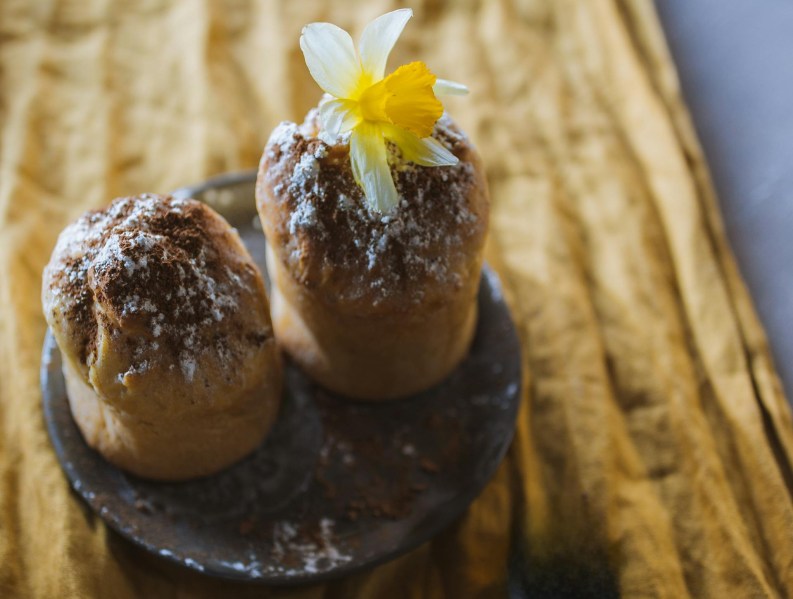
February 28th marks a unique and heartwarming tradition known as Cake Day. This day is dedicated to the celebration of love, remembrance, and reverence through the universal language of cakes. It is a day when people across various cultures come together to bake and share little cakes as offerings to honor the gods and goddesses or to remember and pay homage to their ancestors. Cake Day is not just about indulging in sweet treats; it’s about the spirit of giving, sharing, and commemorating those who have left a lasting impact on our lives.
The Significance of Cakes in Rituals
Cakes have been a part of human celebrations and rituals for centuries. In many traditions, cakes are considered symbols of abundance, sweetness, and the joy of life. On Cake Day, these connotations take on a spiritual and ancestral significance. The act of baking and offering cakes is seen as a gesture of respect and gratitude towards the deities and ancestors, acknowledging their blessings and guidance in our lives.
Making Little Cakes: A Simple Recipe
To participate in the celebration of Cake Day, you don’t need to be a professional baker. Here’s a simple recipe for making little cakes that can be offered as part of your observance:
Ingredients:
– 1 cup all-purpose flour
– 1/2 cup sugar
– 1/4 cup butter, softened
– 1/4 cup milk
– 1 egg
– 1/2 teaspoon baking powder
– 1/4 teaspoon vanilla extract
– A pinch of salt
Instructions:
1. Preheat your oven to 350°F (175°C).
2. In a mixing bowl, cream together the butter and sugar until light and fluffy.
3. Beat in the egg and vanilla extract.
4. In another bowl, whisk together the flour, baking powder, and salt.
5. Gradually add the dry ingredients to the creamed mixture alternately with milk, starting and ending with the flour mixture. Mix until just combined.
6. Spoon the batter into greased mini muffin tins or small cake molds.
7. Bake for 10-15 minutes, or until a toothpick inserted into the center of a cake comes out clean.
8. Allow the cakes to cool before decorating them as desired or leaving them plain for a simple offering.
Cake Day Tea Ceremony
The Cake Day Tea Ceremony is a serene and heartfelt ritual that combines the simplicity of tea, the sweetness of cakes, and the beauty of flowers to honor and remember our ancestors. This ceremony is designed to create a moment of reflection, gratitude, and connection to our past, bridging the gap between the physical and spiritual worlds with each sip of tea and bite of cake. Here’s how you can conduct your own Cake Day Tea Ceremony:
Setting the Space
Find a quiet and comfortable space where you can set up a small altar or table for the ceremony. This space should be clean and arranged in a way that feels peaceful and sacred to you. On your altar or table, place a clean cloth. Arrange little cakes you’ve baked for the occasion along with fresh flowers, which symbolize the beauty and impermanence of life, such as irises or daffodils. You may also include photographs of your ancestors, heirlooms, or any other items that connect you to your heritage and loved ones who have passed.
Prepare the Tea
Select a tea that resonates with you spiritually or culturally. It could be a tea that your ancestors enjoyed or one that holds a particular meaning to your family. Before the ceremony, prepare the tea with mindfulness and care, pouring your intentions of honor and remembrance into every step.
My personal favorite on this day is a blend of oolong tea with chamomile and dried pear pieces.
Conducting the Ceremony
Begin the ceremony by lighting a candle to welcome the presence of your ancestors. This act symbolizes the light of their spirits and the warmth of their guidance in your life. Offer the tea and cakes and pour the tea into cups, placing them on the altar as offerings to your ancestors. Next to the cups, arrange the little cakes and flowers. As you do this, speak the names of the ancestors you wish to honor, or simply hold them in your heart with gratitude.
Sit in silence for a few minutes, allowing yourself to feel the presence of your ancestors. Reflect on the lessons they’ve taught you, the love they’ve shared, and the ways in which they’ve influenced your life. After spending a few moments in reflection, consume the tea and cakes yourself or share them with others present. This act symbolizes the sharing of wisdom, love, and blessings between the living and the dead, ensuring that the legacy of your ancestors is kept alive through you.
Conclude the ceremony by expressing your thanks to your ancestors for their presence and blessings. Blow out the candle to signify the end of the ceremony, carrying forward the warmth and light they’ve brought into your life.
Reflection
The Cake Day Tea Ceremony is an intimate and powerful way to connect with your ancestors and pay homage to their enduring presence in your life. Through the simple acts of sharing tea and cakes, you not only honor their memory but also weave their legacy into the fabric of your daily life. Let this ceremony be a reminder of the sweetness and love that transcends the boundaries of time and space, bringing you closer to your roots and heritage.
Conclusion
Cake Day is a beautiful tradition that brings together the sweetness of cakes and the depth of spiritual and ancestral respect. By baking little cakes and participating in a tea ceremony, we create a space to honor the divine and remember our ancestors. This celebration reminds us of the beauty of tradition, the importance of gratitude, and the universal language of food in expressing love and reverence. Let’s embrace Cake Day as an opportunity to connect with our roots and spread sweetness and joy in our communities.
Celebrating Cake Day: Honoring the Divine and Ancestors with Sweet Offerings







 The Tea Witch Blog