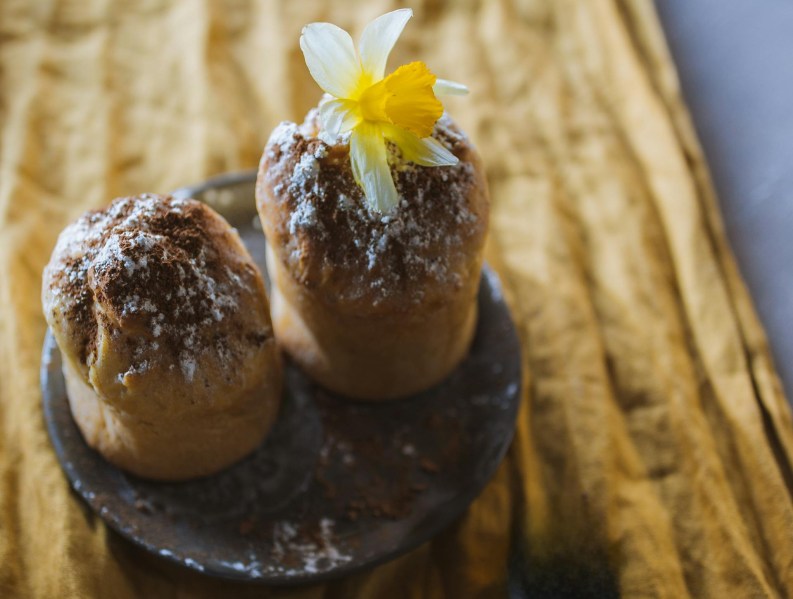
February 28th marks a unique and heartwarming tradition known as Cake Day. This day is dedicated to the celebration of love, remembrance, and reverence through the universal language of cakes. It is a day when people across various cultures come together to bake and share little cakes as offerings to honor the gods and goddesses or to remember and pay homage to their ancestors. Cake Day is not just about indulging in sweet treats; it’s about the spirit of giving, sharing, and commemorating those who have left a lasting impact on our lives.
The Significance of Cakes in Rituals
Cakes have been a part of human celebrations and rituals for centuries. In many traditions, cakes are considered symbols of abundance, sweetness, and the joy of life. On Cake Day, these connotations take on a spiritual and ancestral significance. The act of baking and offering cakes is seen as a gesture of respect and gratitude towards the deities and ancestors, acknowledging their blessings and guidance in our lives.
Making Little Cakes: A Simple Recipe
To participate in the celebration of Cake Day, you don’t need to be a professional baker. Here’s a simple recipe for making little cakes that can be offered as part of your observance:
Ingredients: – 1 cup all-purpose flour – 1/2 cup sugar – 1/4 cup butter, softened – 1/4 cup milk – 1 egg – 1/2 teaspoon baking powder – 1/4 teaspoon vanilla extract – A pinch of salt
Instructions: 1. Preheat your oven to 350°F (175°C). 2. In a mixing bowl, cream together the butter and sugar until light and fluffy. 3. Beat in the egg and vanilla extract. 4. In another bowl, whisk together the flour, baking powder, and salt. 5. Gradually add the dry ingredients to the creamed mixture alternately with milk, starting and ending with the flour mixture. Mix until just combined. 6. Spoon the batter into greased mini muffin tins or small cake molds. 7. Bake for 10-15 minutes, or until a toothpick inserted into the center of a cake comes out clean. 8. Allow the cakes to cool before decorating them as desired or leaving them plain for a simple offering.
Cake Day Tea Ceremony
The Cake Day Tea Ceremony is a serene and heartfelt ritual that combines the simplicity of tea, the sweetness of cakes, and the beauty of flowers to honor and remember our ancestors. This ceremony is designed to create a moment of reflection, gratitude, and connection to our past, bridging the gap between the physical and spiritual worlds with each sip of tea and bite of cake. Here’s how you can conduct your own Cake Day Tea Ceremony:
Setting the Space Find a quiet and comfortable space where you can set up a small altar or table for the ceremony. This space should be clean and arranged in a way that feels peaceful and sacred to you. On your altar or table, place a clean cloth. Arrange little cakes you’ve baked for the occasion along with fresh flowers, which symbolize the beauty and impermanence of life, such as irises or daffodils. You may also include photographs of your ancestors, heirlooms, or any other items that connect you to your heritage and loved ones who have passed.
Prepare the Tea Select a tea that resonates with you spiritually or culturally. It could be a tea that your ancestors enjoyed or one that holds a particular meaning to your family. Before the ceremony, prepare the tea with mindfulness and care, pouring your intentions of honor and remembrance into every step. My personal favorite on this day is a blend of oolong tea with chamomile and dried pear pieces.
Conducting the Ceremony Begin the ceremony by lighting a candle to welcome the presence of your ancestors. This act symbolizes the light of their spirits and the warmth of their guidance in your life. Offer the tea and cakes and pour the tea into cups, placing them on the altar as offerings to your ancestors. Next to the cups, arrange the little cakes and flowers. As you do this, speak the names of the ancestors you wish to honor, or simply hold them in your heart with gratitude.
Sit in silence for a few minutes, allowing yourself to feel the presence of your ancestors. Reflect on the lessons they’ve taught you, the love they’ve shared, and the ways in which they’ve influenced your life. After spending a few moments in reflection, consume the tea and cakes yourself or share them with others present. This act symbolizes the sharing of wisdom, love, and blessings between the living and the dead, ensuring that the legacy of your ancestors is kept alive through you.
Conclude the ceremony by expressing your thanks to your ancestors for their presence and blessings. Blow out the candle to signify the end of the ceremony, carrying forward the warmth and light they’ve brought into your life.
Reflection The Cake Day Tea Ceremony is an intimate and powerful way to connect with your ancestors and pay homage to their enduring presence in your life. Through the simple acts of sharing tea and cakes, you not only honor their memory but also weave their legacy into the fabric of your daily life. Let this ceremony be a reminder of the sweetness and love that transcends the boundaries of time and space, bringing you closer to your roots and heritage.
Conclusion Cake Day is a beautiful tradition that brings together the sweetness of cakes and the depth of spiritual and ancestral respect. By baking little cakes and participating in a tea ceremony, we create a space to honor the divine and remember our ancestors. This celebration reminds us of the beauty of tradition, the importance of gratitude, and the universal language of food in expressing love and reverence. Let’s embrace Cake Day as an opportunity to connect with our roots and spread sweetness and joy in our communities.
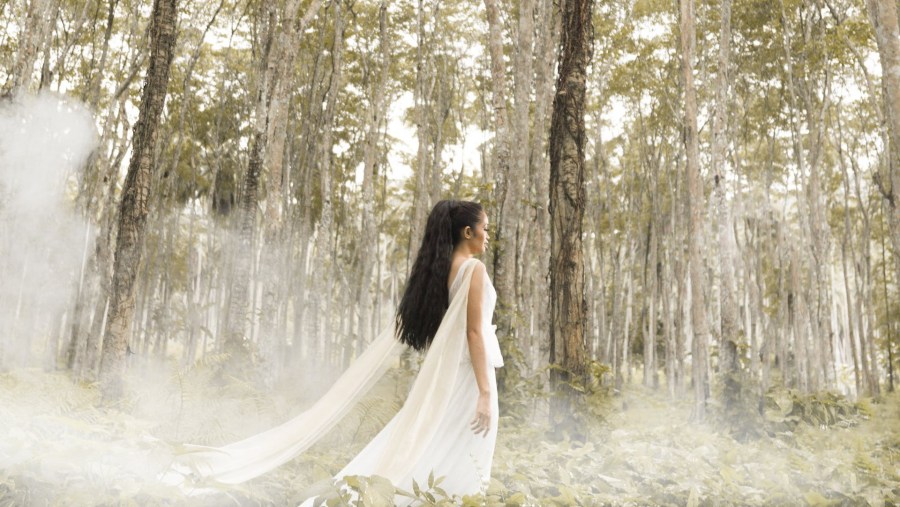
The Festival of Diana, also known as the Feast of the Assumption of the Blessed Virgin Mary, is a celebration of nature and femininity that dates back to ancient Roman times. It is a time to honor the goddess Diana, who was viewed as the protector of nature, animals, childbirth, and women. This festival, not to be confused with the Feast of Diana on August 17th, is often celebrated February 12th. It is one of the oldest and most revered in the Pagan calendar, and it has been celebrated by different cultures around the world for centuries. The Festival of Diana is a time to connect with the natural world, to celebrate femininity, and to create a sense of community and belonging. In this post, we will explore the history and significance of the Festival of Diana, as well as how it is celebrated today. Join us on a journey of discovery as we explore the magic of this ancient and powerful festival!
Introduction to the Festival of Diana
The Festival of Diana is a captivating celebration that honors the essence of nature and femininity. Rooted in ancient traditions, this enchanting festival takes place every year in the heart of a lush forest, where participants gather to pay homage to the goddess Diana.
Diana, the Roman goddess of the moon, the hunt, and nature, embodies the strength and grace of femininity. She is revered for her connection to the wilderness, animals, and the cycles of life. The Festival of Diana is a time to celebrate and honor her divine presence, as well as to embrace the sacred bond between humans and the natural world.
If you were to step into the festival grounds, it would feel like entering a mystical realm. The air is filled with a sense of anticipation and excitement, as attendees from all walks of life come together to immerse themselves in the enchanting atmosphere. The forest is adorned with vibrant flowers, delicate ribbons, and mystical symbols, creating a visually stunning backdrop for the festivities.
As the sun sets, the festival comes alive with music, dance, and rituals that honor the goddess Diana. The sound of drums reverberates through the trees, creating a rhythmic heartbeat that draws everyone into a state of unity and connection. Performers don elaborate costumes, embodying the spirit of the goddess and captivating the audience with their mesmerizing movements.
Throughout the festival, workshops and ceremonies are held to deepen the understanding of Diana’s teachings and the importance of nurturing our connection to nature. Participants have the opportunity to learn from wise elders, engage in healing practices, and explore their own divine femininity.
The Festival of Diana is not just a celebration; it is a transformative experience that allows attendees to reconnect with their own inner magic and the magic of the natural world. It is a time to honor the cycles of life, embrace the power of femininity, and celebrate the beauty and abundance of nature.
The origins and history of the Festival
The Festival of Diana is a captivating celebration deeply rooted in ancient traditions and mythology. To truly appreciate the magic of this festival, it is essential to understand its origins and rich history.
Dating back to ancient Roman times, the Festival of Diana was originally dedicated to the goddess Diana, the divine embodiment of nature, fertility, and femininity. Diana, often associated with the moon and the hunt, was revered as a powerful deity who protected women and the natural world.
The festival was celebrated in various forms across different regions, but its core essence remained the same – a joyful tribute to the goddess and all that she represented. It was a time for communities to come together, honor the bountiful gifts of nature, and express gratitude for the feminine energy that permeated their lives.
Throughout history, the Festival of Diana evolved and adapted, incorporating elements from different cultures and belief systems. In some regions, it became intertwined with the celebration of the harvest, while in others, it merged with existing pagan rituals and festivities.
Despite its evolution, the festival has always maintained its focus on embracing the sacred connection between nature and femininity. It serves as a reminder of the inherent power and beauty found in both the natural world and the divine feminine energy.
Today, the Festival of Diana continues to enchant and inspire. It has transcended time and borders, captivating people from all walks of life who seek to reconnect with nature and celebrate the strength and grace of femininity.
The significance of Diana in ancient mythology
Diana, the goddess of the hunt and moon, holds a significant place in ancient mythology. Her origins trace back to the Roman pantheon, where she was revered as a powerful and independent deity. Diana represented not only the wild and untamed aspects of nature but also the embodiment of femininity and strength.
In ancient Roman culture, Diana was highly revered as the protector of forests, animals, and all things related to the natural world. She was often depicted as a skilled archer, swift and agile in her movements, symbolizing her connection to the hunt. This aspect of her character represented her ability to provide sustenance and protection to her followers.
Furthermore, Diana was seen as a symbol of femininity, independence, and empowerment. Many tales depicted her as a strong-willed and assertive goddess who rejected traditional gender roles and embraced her own unique path. She was often associated with female warriors and was seen as an inspiration for women to embrace their own strength and individuality.
The Festival of Diana celebrates these qualities and seeks to honor the goddess’s influence on ancient mythology. It serves as a reminder of the importance of nature and the divine feminine in our lives. Through various rituals, ceremonies, and festivities, participants can connect with the essence of Diana and tap into the ancient wisdom she represents.
The connection between nature and femininity in the Festival
The Festival of Diana is a celebration that beautifully intertwines the concepts of nature and femininity. This enchanting event pays homage to the Roman goddess Diana, who is closely associated with the natural world and the feminine spirit.
Nature plays a vital role in the Festival of Diana, as it is celebrated outdoors amidst the breathtaking beauty of lush greenery, blooming flowers, and serene landscapes. The setting itself becomes a reflection of the goddess’s domain, creating an atmosphere of harmony and connection with the natural world. Participants are encouraged to immerse themselves in the surroundings, taking in the sights, sounds, and scents of nature, which further enhances the experience.
Furthermore, the festival embraces and celebrates femininity in all its forms. Diana, as a goddess of the moon, represents the nurturing, intuitive, and powerful aspects of womanhood. During the festival, women are encouraged to embrace their feminine essence, channeling their inner strength and wisdom. This celebration serves as a reminder of the inherent connection between femininity and nature, as both possess a unique ability to nurture, create, and sustain life.
Throughout the festival, various rituals and ceremonies are conducted to honor both nature and femininity. These rituals may include offerings to the goddess, dances that mimic the movements of the natural world, and ceremonies that acknowledge the cyclical nature of life. Participants engage in these activities with a deep sense of reverence and respect, recognizing the profound interconnectedness between themselves, nature, and the divine feminine.
The Festival of Diana provides a transformative experience, allowing attendees to tap into the magic and wisdom that resides within the natural world and the feminine spirit. It serves as a beautiful reminder of the power and beauty that can be found when we embrace and honor the connection between nature and femininity.
Rituals and traditions associated with the Festival
The Festival of Diana is a celebration deeply rooted in ancient traditions and rituals that honor nature and femininity. These rituals have been passed down through generations, preserving the magic and significance of this enchanting festival.
One of the most cherished rituals associated with the Festival of Diana is the lighting of bonfires. As the sun sets, people gather around these flickering flames, their warm glow illuminating the night sky. It is believed that these fires symbolize the power of transformation and renewal. Participants offer prayers and wishes to the goddess Diana, seeking her blessings for abundance and protection.
Another significant tradition is the weaving of flower crowns. Fragrant blossoms, carefully chosen and delicately intertwined, create stunning headdresses that adorn the heads of both women and men. These floral crowns symbolize the connection between humans and nature, reminding us of the beauty and harmony that exists in the natural world.
During the Festival of Diana, a sacred procession takes place, led by priestesses dressed in flowing white robes. They carry baskets filled with offerings of fruits, herbs, and flowers, symbolizing gratitude for the bountiful gifts of the earth. As the procession moves through the streets, the air is filled with music and joyful chants, creating an atmosphere of celebration and reverence.
Throughout the festival, various ceremonies and performances take place, showcasing the talents and creativity of the community. Traditional dances, storytelling, and theatrical performances bring ancient myths and legends to life, captivating the audience and connecting them to their ancestral heritage.
These rituals and traditions are not merely symbolic gestures; they hold deep meaning and serve as a reminder of our interconnectedness with the natural world. By participating in these age-old practices, we honor the divine feminine energy and express our gratitude for the abundance and beauty that surrounds us.
As the Festival of Diana continues to enchant and inspire, it reminds us of the importance of preserving our traditions and connecting with our roots. Through these rituals, we tap into the magic that lies within us and embrace the profound connection between nature, femininity, and the human spirit.
Exploring the magical elements of the celebration
One of the most magical elements of the festival is the setting itself. The celebration takes place in a lush forest, where ancient trees tower overhead, creating a canopy that seems to touch the heavens. The air is filled with the sweet scent of flowers, and the gentle rustling of leaves provides a soothing backdrop to the festivities. It is as if the forest itself comes alive during this time, welcoming all who enter with open arms.
Another enchanting aspect of the festival is the rituals and traditions that are observed. These rituals are designed to connect participants with the divine feminine energy that permeates the natural world. From dance ceremonies that mimic the movements of the wind to offerings made to the goddess Diana, each ritual is a deeply meaningful and transformative experience.
The festival also showcases the incredible talent and creativity of its participants. Artists, musicians, and performers come together to create a vibrant tapestry of color and sound. The air is filled with the melody of music and the sight of beautifully crafted costumes and artwork. It is a feast for the senses, a true celebration of human creativity and expression.
But perhaps the most magical element of the Festival of Diana is the sense of community and connection that is fostered during this time. People come together as strangers and leave as friends, united by their shared love for nature and their reverence for the divine feminine. It is a time when walls come down, and people open their hearts to one another, creating a space of love, acceptance, and understanding.
How the Festival promotes empowerment and equality
The Festival of Diana is not just a celebration of nature and femininity; it also serves as a platform to promote empowerment and equality. This enchanting festival embraces the spirit of inclusivity, encouraging individuals from all walks of life to come together and celebrate their unique identities.
One of the key ways in which the Festival promotes empowerment is by showcasing the strength and resilience of women. Throughout history, women have often been marginalized and their contributions overlooked. However, the Festival of Diana aims to shine a spotlight on the achievements of women, both past and present, and to inspire others to embrace their own power.
During the festival, various activities and workshops are organized to foster a sense of empowerment among attendees. These may include discussions on gender equality, self-care practices, and personal development. By providing a safe and supportive environment for individuals to share their experiences and learn from one another, the Festival of Diana encourages personal growth and self-empowerment.
Additionally, the festival promotes equality by challenging traditional gender roles and stereotypes. It celebrates the diversity of gender identities and encourages individuals to express themselves authentically, free from societal expectations. Through artistic performances, exhibitions, and interactive experiences, the Festival of Diana fosters an atmosphere of acceptance and understanding, where everyone is encouraged to embrace their true selves.
Furthermore, the festival actively supports initiatives and organizations that work towards gender equality and women’s rights. Whether through fundraising efforts, partnerships, or advocacy, the Festival of Diana aims to make a tangible difference in the fight for equality, both within its own community and beyond.
In conclusion, the Festival of Diana is more than just a celebration of nature and femininity. It is a powerful platform for promoting empowerment and equality, fostering personal growth, and challenging societal norms. By embracing these principles, the festival creates a magical and transformative experience for all who attend, leaving a lasting impact on the lives of its participants.
Embracing the spirit of the Festival in your own life
Embracing the spirit of the Festival of Diana is not limited to just attending the event itself. You can bring the magic and essence of this celebration into your own life, embracing nature and femininity in meaningful ways.
One way to connect with the festival’s spirit is by spending time in nature, whether it’s in a local park, your backyard, or even a nearby forest. Take a moment to appreciate the beauty around you, the vibrant colors, the soothing sounds, and the gentle breeze. Allow yourself to be fully present in the moment, soaking in the natural elements and feeling a sense of oneness with the earth.
Another way to embrace the festival’s spirit is by honoring femininity. This can mean different things to different people, but it ultimately involves celebrating and valuing the qualities of compassion, intuition, creativity, and strength that are often associated with femininity. Take time to explore your own femininity, whether through self-reflection, creative expression, or engaging in activities that make you feel empowered and connected to your inner self.
Additionally, you can incorporate rituals and traditions inspired by the festival into your own life. This could involve creating a personal altar dedicated to nature and femininity, performing rituals that honor the changing seasons, or participating in activities that promote self-care and self-discovery. These rituals can serve as reminders of the festival’s significance and help you cultivate a deeper connection with the natural world and your own feminine energy.
Finally, don’t forget to share the magic and joy of the Festival of Diana with others. Invite friends or loved ones to join you in your nature walks, host gatherings or workshops that celebrate femininity, or simply engage in conversations that promote a deeper appreciation for the beauty and power of nature. By spreading the spirit of the festival, you contribute to a collective sense of connection and reverence for the natural world.
Incorporating the essence of the Festival of Diana into your own life allows you to tap into a deeper understanding of nature, femininity, and the magic that surrounds us. By embracing these principles and infusing them into your daily routines, you can cultivate a sense of harmony, joy, and reverence for the world around you.
We hope you enjoyed diving into the enchanting world of the Festival of Diana with us. This ancient celebration holds a special place in honoring nature and femininity, and it’s a true testament to the power of ancient traditions that still resonate today. By embracing the magic and symbolism of the festival, we can reconnect with the natural world and celebrate the divine feminine within ourselves and others. May this blog post inspire you to explore the depths of this mystical celebration and embrace the beauty and strength that lies in the celebration of nature and femininity.
Tea Ceremony of Diana
LUNARIA
In celebration of the festival of Diana, the goddess of the hunt, nature, and the moon, a tea ceremony is organized to honor the connection between humanity and the natural world, reflecting Diana’s domains and virtues. This ceremony, named “Lunaria,” is designed to be held under the gentle glow of the moon, ideally during a full moon to fully capture the essence of Diana’s power. But it may be enjoyed during the festival.
The ceremony takes place in a serene outdoor setting, preferably in a forest clearing or a garden surrounded by natural beauty, where the moonlight can touch the gathering directly. The area is decorated with moon and forest-themed decor, including silver and green accents, representations of deer or hounds, and an altar dedicated to Diana with offerings of fruits, grains, and fresh water.
Participants: Participants dress in light, flowing garments, with colors inspired by the night sky, moonlight, and natural foliage. They are encouraged to wear wreaths or headpieces made of silver leaves or branches to symbolize their connection to nature and Diana’s realm.
The Tea Ceremony: 1. The ceremony begins with an invocation to Diana, asking for her blessings, protection, and guidance. This is done by the lead celebrant, who is chosen for their knowledge of Diana and their ability to guide communal rituals.
2. Participants cleanse their hands in moon-blessed water, symbolizing the removal of impurities and preparation to receive Diana’s wisdom.
3. A special tea blend, embodying the essence of the forest and the moon, is prepared.
Ingredients:
Silver needle white tea, for purity
Jasmine, for the moon
Mint or rosemary, for the forest.
The tea is brewed in a transparent or moon-themed teapot, allowing the moonlight to infuse the tea with its energy.
4. As the tea steeps, participants are invited to meditate on their personal connection to nature and the ways they can live in harmony with the natural world, reflecting on Diana’s teachings and virtues.
5. The tea is served in cups that reflect the natural world, such as those made from clay or adorned with images of the forest and moon. Participants drink in silence, contemplating the interconnectedness of all life and the blessings of Diana.
6. After the tea, participants make personal offerings at the altar of Diana, such as poems, songs, or small tokens of nature. They share prayers or wishes for protection, guidance, and a deeper connection to the natural world.
7. The ceremony concludes with a communal thanksgiving to Diana for her blessings and a reaffirmation of the participants’ commitment to protecting and honoring nature. This is followed by a shared meal featuring foods that are in season and harvested sustainably, celebrating the bounty of the Earth.
Reflection: After the ceremony, participants are encouraged to spend time in nature, reflecting on their experience and the ways they can embody Diana’s virtues in their daily lives, fostering a deeper respect for the natural world and its cycles.
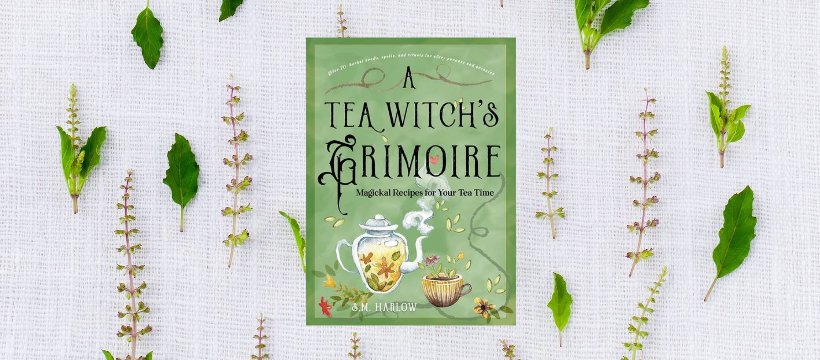
A Tea Witch’s Grimoire: A Magical Journey through Enchanted Teas
There’s something mystical about a warm cup of tea, isn’t there? It can be comforting, calming, and even healing. But what if I told you that tea has the potential to unleash a world of magic? Intrigued? I am thrilled to introduce you to my new book, “A Tea Witch’s Grimoire”, which takes you on a captivating journey into the realms of magical teas, spells, rituals, and herbal correspondences. What’s even better? You can now pre-order it on Amazon and indulge in the Sample for a taste of what’s to come!
Tea as a Gateway to Magic: What sets “A Tea Witch’s Grimoire” apart is the unique blend of herbal knowledge, spellcasting, and tea brewing techniques. As an avid tea lover and practitioning witch myself, I’ve poured my heart and soul into creating this comprehensive guide for all tea enthusiasts, magical explorers, and curious souls alike.
Unlocking the Secrets: Every page of this book holds a treasure trove of information and enchantment. The book begins by sharing the fundamental concepts of tea magic, guiding you through the art of blending teas, and understanding herbal correspondences. Whether you are a beginner or seasoned practitioner, you’ll find a wealth of wisdom to deepen your craft.
Spells and Rituals: “A Tea Witch’s Grimoire” brings you an array of spells and rituals designed specifically for tea magic. From love spells to prosperity rituals, each chapter is filled with practical examples that bring tea and magic together in harmony. You’ll discover how to infuse your teas with intention, how to choose the perfect tea for your spellwork, and how to incorporate tea magic into your daily life.
Herbal Correspondences: The intricacies of herbal correspondences come alive in this book, with detailed explanations of the magical properties and uses of various herbs. From lavender for relaxation to chamomile for dreamwork, you’ll uncover the hidden potential of countless herbs and their affinity to different aspects of your life.
Sample and Pre-Order on Amazon: To truly experience the enchantment within “A Tea Witch’s Grimoire,” you can now explore the Sample available. This tantalizing glimpse will give you a taste of the book’s contents, sparking your curiosity and leaving you eager to uncover more. And if you are as captivated as I think you’ll be, don’t hesitate to pre-order the full book. That way, you’ll be among the first to dive into this mystical journey as soon as it releases.
Conclusion: Magic and tea blend harmoniously in “A Tea Witch’s Grimoire” to offer a delightful and transformative experience. Whether you’re an aspiring witch, an herbal enthusiast, or someone simply searching for a new way to infuse magic into your life, this book holds the key to unlocking the power of enchanted teas. So, why wait? Pre-order this captivating masterpiece on Amazon now, grab a cup of your favorite tea, and embark on a magical journey that will forever change the way you view both tea and witchcraft. Cheers to a life steeped in vibrant enchantment!
I’ve recently discovered a ritual that is both beautiful and magickal. If you are one that finds your pet to be special and powerful, then this is the spell for you. If you are also one who finds great purpose in worshiping deities, then this is the ritual for you.
This ritual is dedicating an animal to a specific Spirit. This will create a profound triangular relationship between human, spirit and animal. This ritual derives from indigenous Siberia, but with a twist.
P.S.
As an Amazon Associate I earn from qualifying purchases.
Thank you for the love and support!
THE SPELL
Choose a specific animal to be dedicated to a specific deity. ( I will include a list of animals and the deities that are associated with them.)
Decorate the animal with ribbons in colors associated with the specific Spirit.
Offer the animal an infusion of 1 teaspoon of honey to 1-2 cups of water.
The animal is returned home or to its flock. It is now never ridden, eaten, or worked. It is treated special and allowed to enjoy its life as a gesture of sacrificial devotion. This treatment may extend over the animal’s entire natural life or for a specific period of time. This must be specified during the initiation.
Below is an interview with an extraordinary woman, whose wisdom goes beyond many I’ve ever spoken to. For personal reasons, she chooses to remain private, but permits her craft to be told and shared.
I learned a new term today from this Crone whom I just met. Her aura was pure and green. Her character is patient and wise. She has seen 60 moons. Harnessed her craft for the last 49 suns.
She termed herself a Witch Wife. When I asked her what that was, she gifted me with her knowledge.
Much like a midwife and a hedgewitch, a Witch Wife teaches the ways of the craft to the young, until they reach mature adulthood. They stay together until the student ends their raising, decides to become a Witch Wife themselves, or get traditionally married.
I asked, “why until they get married?”
She said because at that point the pupil’s power is no longer their own. It is merged with their partner’s, and therefore, new traditions are created. The apprentice will carry on their own solitary craft, and may wish to pass it on to their children. They can also decide to have a Witch Wife tutor them.
I asked, “is a Witch Wife often unmarried?”
She answered yes, a Witch Wife is a woman who is free of vows to another. They are solitary practitioners, save for the teachers that raised them. When they first decide to become a Witch Wife, a ritual is done that weds the new wife to her craft. A small private ritual is held with other Witch Wives pesent. This event is often planned on the eve of a new season.
After the new Witch Wife takes a period to establish herself, a novice is chosen and passed on to her to have tutored. This youth is called a Witch Child. This pupil becomes her child of the craft to pass on the wisdom.
I asked, “how is a Witch Child chosen? Can you raise more than one?”
She answered yes, she has raised two. Some take up to three. The Witch Child is often an offspring from a pupil who had either chosen to marry, or had given birth to a babe(s). The Witch Child needs to show interest in the craft before they are chosen. Then is asked if they would like to be taught by a Witch Wife. There are some rare cases where a Witch Child is chosen from a friend of the Witch Wife’s.
I asked, “can a Witch Wife ever get married if she wishes to?”
She answered yes, but this is considered infidelity towards the Witch Wife’s craft. She will know that she will never fully belong to her partner, as well as to her craft. She will be in a state of eclipse. Only when she is widowed, will she be free of her vows to her partner. If she births children, it is still tradition that they may be tutored by another Witch Wife, if the child wishes it.
I then asked, “can a married Witch Wife still tutor other pupils?”
She answered no, because at that point she is eclipsed. A Witch Wife must be faithful to her craft in order to lead a Witch Child through the bright and shadowed aspects of their craft. A married Witch Wife has one eye shut. That is the eye that is focused on her marital bed, and the concerns of her partner. A Witch Wife must have both eyes focused on her craft, and on the success of her Witch Child.
I then asked, “are married Witch Wives looked down upon in your group?”
She answered no, of course not. They are family. They were all Witch Children that were raised by Witch Wives. They are still invited to attend events, outings, and some rituals. They are all a very close knit group. Their children are accepted and often taught in the ways as well.
I asked, “what happens if a Witch Child decides not to be a Witch Wife, or doesn’t want to continues their studies?”
She answered, a Witch Child is free to end their studies at any point during their growth. If they stop their studies midway, they will no longer be called a Witch Child. If a Witch Child decides to not become a Witch Wife at the end of their studies, she will be called a Witch Soul, and carry on a solitary practice. She won’t participate in the same Witch Wife rituals.
I asked, “how often is a Witch Child tutored?”
She answered, it depends. For some it can be once or twice a week. For others, it can be more. It depends on location, schedule, and the child’s enthusiasm. It is much like an afterschool program, because for some Witch Children, they come straight from school until their parent(s) pick them up after work. During school breaks, fun study outings such as campings are planned.
I asked, “are Witch Children/Wives always female?”
She answered, Witch Wives are always female. Not to discriminate today’s gender roles and beliefs, but because that has been the way of their tradition. There have been two Witch Children that were boys. Only one had completed his studies, however, and continued on to practice as a solitary Witch Soul.
I asked, “does a Witch Child have to begin their studies when they are a child, or can they be older?”
She answered, it is generally recommended that they begin young. Before the thirteenth birthday. There is a rare chance an older child may be taught, but the Witch Child has to study for a longer period of time.
I then asked, “until when is a Witch Child’s studies complete?”
She answered, when they complete each phase of their lessons. It is not just craft knowledge they are learning, it is also the process of growth that they are surpassing. Children undergo a serious change of mind and heart when they reach puberty. For some, it is often a struggle to get through the raging thoughts and emotions. Witch Wives especially stand by their Witch Child when these years are developing. Teach them the ways of growing past it. When all lessons have been exceeded, is when a Witch Child has completed their raising.
I asked, “is a Witch Wife’s craft similar to any other witchcraft practice? Is it a religion?”
She answered that it is not a religion. There is no one Deity or the worship of Gods. There is only nature, the magick it harbors, and the techniques to tap into that power. Their practice focuses on healing, ancestral magick, conjuring, and sharpening the intuition. Witch Wives are wed to the infinite power that sources all things, and thus are linked to that magick. Their practice involves herbal knowledge, charms, potions, spells, gardening, livestock, and divination.
I asked, “how long has this tradition been around?”
She answered, since the early 40s. A very small group of three women followed Irish/Scottish/Germanic folk magick traditions, formed the practice. They were unwed, but wholeheartedly believed in their craft. One had two daughters, and each were given to one Witch Wife to raise in the craft. One Witch Child became a Witch Wife, the other became a Witch Soul. That Witch Soul had children that were passed over to the other Witch Wives to raise. And it has been that way since the beginning. There have been five generations, so far.
I asked, “is there a hierarchy order to this tradition?”
She answered, yes in a way. Wisdom is more so in the Witch Wives. That, and Witch Wives are wed to the craft. Therefore, their power is linked to it, and are the only ones able to pass on the gifts to the Witch Children. A Witch Wife practices all forms of their magick.
Witch Souls are the Witch Children that complete their raising, but, they do not become Witch Wives. Therefore, the power is their own to use. They are a sole practitioner. A Witch Soul mostly practices healing and divination.
Witch Children are the young that are raised by a Witch Wife. During their training, they are taught all the forms of their practice. During this time, Witch Children share their power with the Witch Wife to understand the craft.
It is seen as a family system, then a hierarchy one.
I asked, “what kind of spells and rituals do you do? How are they formed?“
She answered that she didn’t wish to go into detail about how their spells and rituals are created, or all of the spellwork that they do. But, that generally they are focused towards healing, fertility, prosperity, and protection, just to name a few.
I asked, “do you think your practice will grow bigger? Gain notice? Do you want it to?”
She answered she doesn’t believe it will grow bigger, or that it will gain notice. Some traditions are better to keep small. Their practice is a craft that takes time. Not all who practice would agree with it, or would believe in it. That is all right, because magick is a shared practice that is invoked in many methods. In many beliefs. New and old.
She didn’t really express if whether she wanted it to gain notice or grow bigger. She simply included, that she was just happy to share her story with someone of a open heart, and hopes others will see it as such.
●●●●●●●●●●●●●●●●●●●●●●●●●●●●●●●●
This was the most inspiring conversation and I am so thankful to share this amazing family’s craft tradition. I humbly thank you for entrusting me with this wisdom. Thank you, thank you.
We all celebrate the coming of the winter season in one form or another. Through different cultures, in many religions, traditions are upheld to bring cheer and joy into our hearts and homes. I find this definitely true in my household. We celebrate the season through natural traditions. I consider it as mixing both magick and paganism, as well as a sprinkle of my own way of honoring the coming winter.
Below, I will share a detailed list of the 12 activities that I do in my home. Hopefully this will help inspire anyone to create their own traditions, the way their hearts see fit.
P.S.
As an Amazon Associate I earn from qualifying purchases.
Thank you for the love and support!
Day One
«First Day Towards the Winter Solstice»
Candle Light Ritual
Begins with turning off all lights in the home. Lighting one candle, walk through the house, beginning at the front door. Chant:
Within the dark, the candle shall light the way. For though winter is cold, it shall not reign. Within the dark, our hope shall not die. For soon the Sun will rise in the sky. Within the dark, there is no despair. For our shining souls will renew and repair. So sing songs into the Winter night, For soon the winds shall bring Spring light.
This is a beautiful ceremony, that blesses the long cold dark nights to come. You will notice a significant difference within the home once it’s been cast. Filled with warmth and hope. Either do this alone or with the family. It’s a nice way to do something together, and you can let the little ones hum lovely harmonies in the background. Or carry their own candles. Have fun with this!
Day Two
Holiday Decorations
As in all traditions, especially in America, neighborhoods everywhere are decorating their homes with merry lights and jingling wreaths. Solstice trees are being put up, covered in bright and glittering ornaments. Burning logs and long boughs of pine or holly are being placed over hearths. And for this household, that is exactly what is occurring as well.
Not only is it a tradition for most families, the glowing lights of winter symbolize hope that lives on in the darkest of nights. It is a manifestation of miracles, of positive magick, and of strength that lives within us even when the cold spirit of winter tries to steep into our bones.
So take the time, and decorate your home with holiday lights and decor. It’s fun to do alone, with holiday music blaring, and a glass of wine. Or get the friends or family together to make memorable moments, with hot chocolate and sugar cookies!
Day Three
Make A Wish Ornament
Exactly how it sounds, this is a powerful time to work wishing spells. How so? As the holidays are getting closer, people everywhere are growing excited to reunite with family, to give and receive gifts, or to begin a new year. Energy is rising, and the air is being charged for magick. That is why this is a perfect time to create wishing ornaments.
This enjoyable DIY craft is easy to do, and about anyone can do this. You can find any of the supplies at a Hobby Lobby, Walmart, Target, even the 99 store. You’ll need:
Choose your wish carefully, and write it down on the strip of paper. Decide on the proper glitter color that coordinates with your wish. Green for luck/money. Red for love/passion. Blue for health/peace. Yellow for creativity/success. Purple for power/spiritual assistance. Silver for earthly affairs. Gold for new beginnings. White for personal affairs. Mix of colors for a miracle.
Match your string color with your glitter color or mix match, depending on the wish. Roll up the strip of paper with your wish on it, tie it with string, then slide it into the ornament. Sprinkle however much of glitter over it, then place the top back on.
Hang this on your tree, or wherever you’ll like. There are some that hang it outdoors, over their hearth, or in nature. I like to keep mine. Every year, when I redecorate, I like to look upon my old wishes and see how they had came to be. It’s a great memento, and leaves me feeling thankful.
So wish wisely, and may your dreams come to be.
Day Four
Make a 12 Herb Sachet
This is a brilliant gift to give to friends or family. Having one for yourself is especially potent as well. Consider this recipe a magickal potpourri. A gift that promotes health, love, and protection. You’ll need:
Tie in a green or red cloth. Decorate it with symbols or jewels. Have fun with it. And give it to friends or family. You can substitute any of the ingredients with oils as well.
Day Five
Make a Yule Log
A popular pagan tradition is the Yule log. In essence, it is bringing in the spirit of nature, honoring them into your home to protect and nurture your own. I’ve seen many beautifully decorated Yule logs. They have been painted, glittered, wood carved, wood burned, wreathed, placed candles upon. There are so many different ways. Get creative in your own way of honoring the spirit of nature.
By the time of Yule, you either have the option to burn the whole log in ritual, or to light the candles.
Day Six
Create a Winter Spiral
This may be a different sort of tradition for most, but I found in the past few years, that this has become an enlightening experience at every new season for me. Otherwise known as a meditation labyrinth, these are walked upon to center one’s spirit and used to meditate on our paths of self realization.
There are some new age centers, universal spiritual churches that do have these meditation labyrinths, but if you don’t have any near by then I highly recommend building one yourself. Doesn’t have to be permanent, but it is a great path to have when you are in need for some deep meditation.
The path is simple. The rest of the journey is up to you. At the entrance, take a pause to breathe deeply for a few moments to clear your mind. Begin the first step, with not a question on where your going, but with whom you will find at the end? Then simply walk the spiral with a clear mind, and see what comes. If a thought or emotion emerges, mull over that and find its center meaning as you reach the center yourself. Take your time, nothing may come right away, and that is alright. The spiral is a place of peace and balance.
Walk back from the center in tranquility, all the while breathing deeply. When you are done, go in peace.
Day Seven
Honor The Spirits
Everyone deserves a good merry cheer for the holidays, and that includes the spirits of the dear departed as well. The cold dark nights often leave us feeling nostalgic and alone. Remembering those that have left us. This is why I decided to dedicate a special day just for our loved ones. I begin by setting up a special altar for them. Pictures, personal items, winter flowers, candles, incense, letters written for them, can all be placed on this altar.
The rest is up to you. Either a special ritual, or prayer is how you feel is right, then by all means. No matter what, they will hear you.
Day Eight
Warm Tea and Tarot
Every new season I like to do a fresh tarot reading to prepare and grow ever wiser of what is to come for the new season. What better way than to pair this together with a delicious warm cup of tea. Inspired by the winter season, I blended together a tea recipe that helps balance and induce mental and psychic powers. Grants wisdom and courage to face the unknown.
Together, with a deck of tarot cards makes for the best pairing. Be brave and lay out your tarot spread. And see what the future, or the present, may reveal.
Day Nine
Random Acts of Kindness
The title for this day alone explains it all. Though the winter season shouldn’t be the only excuse to be kind to strangers, it is a season for giving and to spread cheer. Whether to do acts of kindness in secret, or known, the moment we should all be looking for is the smile that brightens the day for a stranger. The fun part is thinking of way to surprise someone, because that’s really what it’s all about.
Help the need. Donate. Volunteer for charity. Pay for someone’s tab. Be kind is the saying. Speak it. Mean it. Do it. Be the example.
Day Ten
Bake Magickal Recipes
The days are ticking down, and now is the time to start prepping for the festivities. Everyone will be expecting those sweet delectable desserts. The sort that fills the belly with warmth and happiness. In every soft pastry there is a magick from people all over the world. As most have heard the saying, we put love in the foods we cook. The same goes for baking during the holidays. Although for some, they know all about the magickal meaning in the ingredients they mix together.
Whether it be cookies, pies, breads, or puddings, look up the magickal properties that each ingredient holds. You never know that you may be baking a pie for love. Or cookies for luck. Or a fruit salad for health. Know what you baking, so you can spread the magick into the lives you love.
Day Eleven
Give Gifts and Feast
Now is the eve of the Winter Solstice, and often times friends and family gather to enjoy a meal and give gifts! Then again, its up to everyone to decide when they would like to do this. Some choose to do this on Solstice day. So all could enjoy the symbolic fires of the yule log at sunset, and the rebirth of the Sun. So whichever you choose, this is still a wonderful time to gather together and be merry with one another.
Just as you would for Christmas, Hanukkah, etc, a beautiful feast is made for all to eat. Games are played. Carols are sung. New hope is wished upon. And gifts are exchanged. The thought alone brings me joy, and I look forward to this day with friends and family.
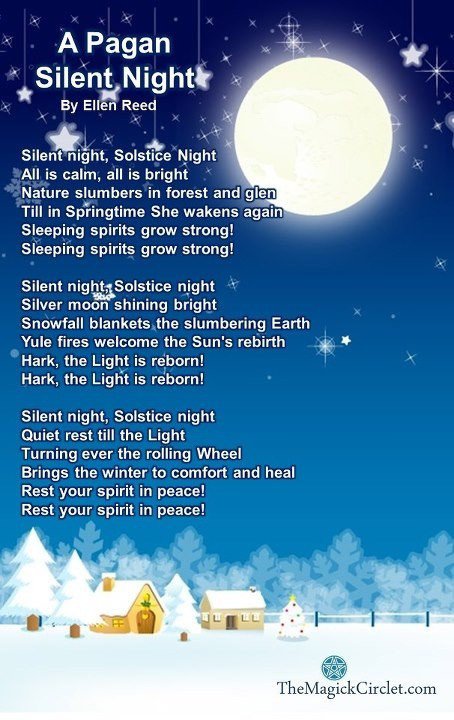
In fact, I would love to share a new type of carol song that has been modified for pagans. Growing up, I always enjoyed the tune for Silent Night. But when this new song A Pagan Silent Night was created, my heart fell in love. Now I always sing this song for the Solstice. May you and your family enjoy it as well.
Day Twelve
Burn The Yule Log and Celebrate
The day has come! All must celebrate. The new season is awakened, and the Sun shall be reborn when the new sunrise touches the sky! On this day, my husband and I like to begin with a beautiful breakfast, where then I can dedicate it to the sleeping Goddess, and to the new birth of the Sun. I gather together incense and candles. The blend I use is:
Grind together and burn over charcoal, light the candles and say together.
“We give honor and thanks to the sun for it’s sustenance, warmth, and light”
*Novae diluculo saluto* (say together)
And as our blessed mother earth is rebirth in the spring
So time is rebirth in the morning.
*Novae diluculo saluto*
*Blessed be the Goddess*
Enjoy the blessed morning meal.
Now once the day passes, and we are met with the longest night of the year, it is time to burn the yule log. Some simply light candles on the log, which is convenient for those that cannot enjoy a bonfire. But for those that can burn outdoors, it is quite an event. Tradition calls for waiting just before the sun rises. But often that isn’t the case for some that cannot stay up that long. So burn at your own time.
It is tradition in my home to usher in the new winter season. Therefore, I will share my personal ritual right below.
Ushering in the Winter
To prepare the Yule Log in the pit, set it up like you would for ritual. Stones, jewels, foods, offerings. Then chant:
The Goddess sleeps and is tucked away in the warmth of Earth.
She dreams and smiles of hope for the living.
Her heart is comforted by the rebirth of the Sun. Her spirit lives within the dormant seeds.
Today, She slumbers for Winter. Warmed by the fires of Yule.
Igniting the Flame
Flames of Winter warm Her bed. Snowfall be Her tears of joy. Mother Goddess, rest and claim the season! Let us be as one and embrace the spirit of peace.
Our mother is the Winter.
*We live because She lives*
Our mother is the Goddess.
*She lives freely within us*
Diana, Brigid, Hecate
*We celebrate Her*
We celebrate the tranquility of Mother Earth. She nourishes us with her bountiful love.
*Blessed be the Goddess*
Ashes of Log
We are now at the center of darkness. May the flame of the Sun illuminate from our hearts.
Collect the ashes and keep near, or use for power spells. Or save the ashes for the Summer Solstice.
I hope you’ve enjoyed this full detailed account of the traditions of my home. Are they similar to your own? Feel free to comment and share your story! Would love to hear it.
Sweet Winter Blessings!
Have a happy and festive Solstice!
Blessed Be
*Pictures sourced from Pinterest*
If you found this article to be helpful, please like, share, and/or follow!
Ok! Let’s talk about Air Magick! I love love love the element of Air. When I was little, that was the first element that called to me. I spent so much time outside, listening to the wind, watching the trees dance from it. And even found peace and nurturing wisdom while I was down. Over time, I learned how to call to each direction. Finding each one delivering a different need and advice.
I found the North wind to hold many memories of the past, and connects to others who are far across. The North wind is powerful and ancient, and takes promises seriously. From that, I developed magicks based on
Message Spells
Oath Spells
Past Life Spells
Initiation Spells
Memory Spells
Growth Spells
Wisdom
The East wind was a tremendous help during my years of magickal discovery. Taught me focus and meditation. And whenever I went into the astral world, I found myself always facing East. From this I learned to connect to my intuition naturally. Which then developed
Psychic Spells
Astral Travel
Spirit Contact
Mental Spells
Manifesting Spells
Travel
Knowledge Spells
The South wind has always felt like a challenger to face. It summons courage and demands respect. Almost like facing a warrior that assesses your strength and vulnerabilities. Expecting you to search for your inner power. With this powerful wind, I found
Self Power Spells
Heightened Power Spells
Courage Spells
Road Opener Spells
Success
Commanding Spells
Lover Spells
Breaking a Habit
The West wind has always been a friend and ally for me. Having been helped by it on more than one occasion, my heart has always been opened to it. That is why, it is the wind of the heart and has inspired spells related to such matters.
Healing Spells
Love Spells
Peace Spells
Happiness Spells
Truth Spells
Purification Spells
And so much more to discover as you work and meditate with each wind. Now each wind has a God/Lord assigned to each. Through many cultures, they have been called numerous names. I personally use their Greek names. Something about them had called to me. They are called
The Anemoi
Boreas – Who is of the North Wind Special Offerings: Stone Piles Formally called on high peaks.
Eurus – Who is of the East Wind Special Offerings: Incense of Sage & Bay Formally called in open valleys/meadows.
Notus – Who is of the South Wind Special Offerings: Bonfire or Flame Formally called in dry sunny areas.
Zephyrus – Who is of the West Wind Special Offerings: Libations Formally called by ocean waters.
And Aeolus is the God of Air and the Winds all together.
Special Offerings: An altar dedicated to him with all elements from above. Call to him on an area that incorporates all winds. Somewhere high where they can meet. Of course, they can still be called in a pinch, from wherever you are, but your intentions must be loud and clear. And if your offering is special, all the better.
Now, let’s discuss how we invoke the wind. A breeze. There are many different methods. You’d be surprise by how much others had created in order to summon the wind. In fact, I’m sure everyone has tried a different way. I will cover two of my own wind calling spells here, and other spells that I’ve seen and tried.
SPELL 1
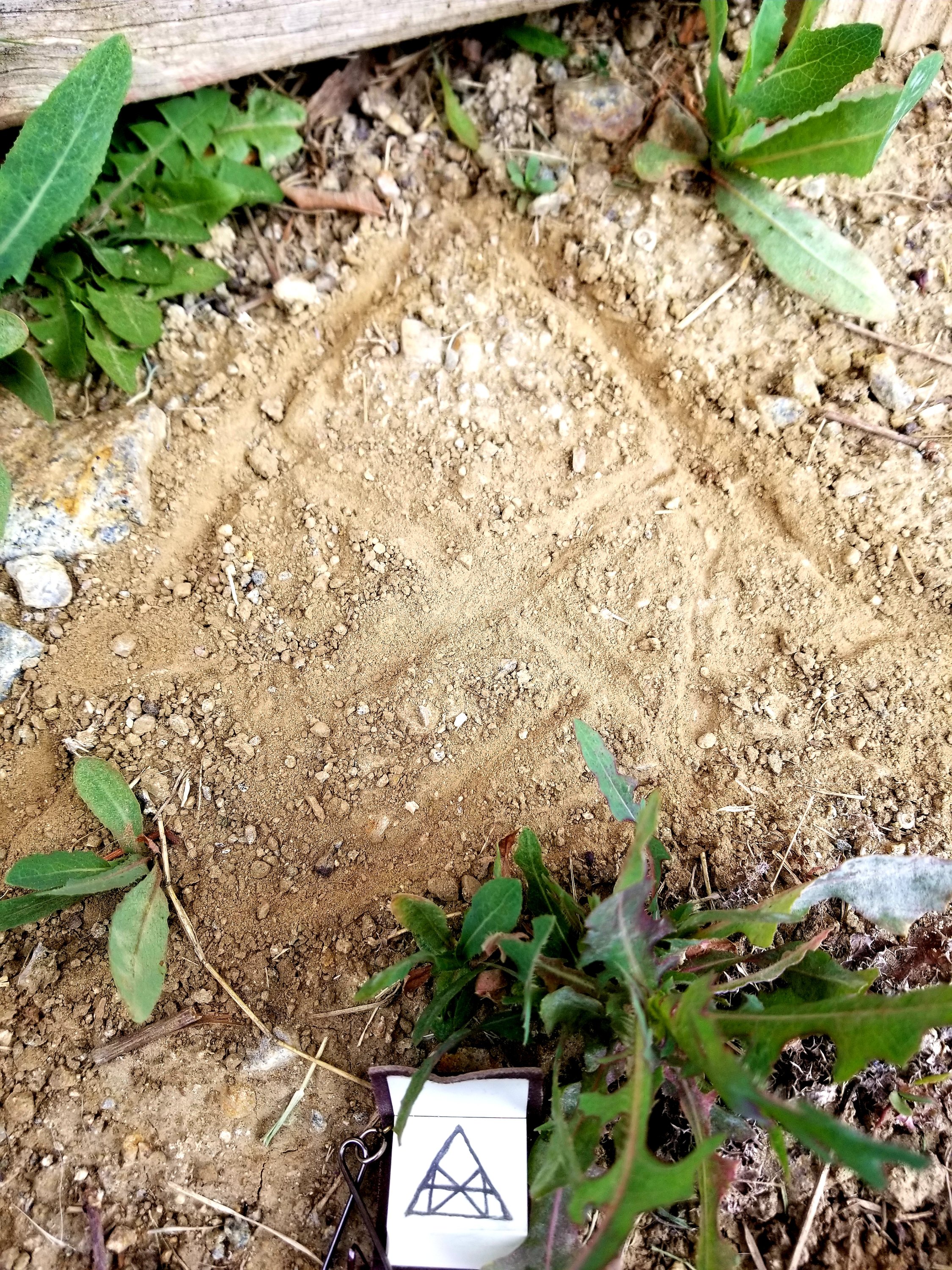
I created this when I was young was easier for me at that time to do when I was outside. I would draw in the ground the symbol of air, and a rune within it. Come to find out later in life, that it was the Dagaz symbol for dawn. And call the wind for a heavy breeze. After practicing this for a while, I found that over time I no longer needed to draw the symbol in the ground, but easily visualized it in my mind’s eye, and then would call out to the wind. As a child I didn’t formally call to it, only spoke to it in a friendly manner. But when I grew older, I started to chant out in either ancient Norse (Icelandic) or in Latin. This is what I would say in order to call the wind to rise.
“Vindur Haekkun”
(The picture of the symbol below)
SPELL 2
When I wished for not only wind, but clouds, and even rain. A good gloomy day really. And that was braiding my hair. I use to braid my hair and imagine the weather I wanted. I would do this until I was done. I’d keep my hair braided for the day. And either when night came or morning, I unbraided it. Visualizing the magick/wind releasing. I often got good results from this, and ended up giddy. Lol
Other spells I’ve seen had often used tools or herbs.
SPELL 3
One was using a broom. Sometimes being specifically made and enchanted to call the winds. This broom would be thrown in the air. Preferably on a hill, to summon the winds. And then being burned to stop them, or to stop a bad storm. Then buried in the ground.
SPELL 4
Another was using grains of paradise (an herb), and tossing it to each direction to call for favorable winds. The same can be done with rice even. And wishes can be made the same time. But that’s not good for the birds.
SPELL 5
The last spell I’ve seen for this, is actually quite nifty and enjoyed testing it. It had called for a naturally made clay jar with a cork. Preferably one that was made by you, but its not needed. Still worked for me. Then a wind symbol was drawn on it, or in my case, I simply painted the words WIND on it. On a windy day, go outside, and open the jar. And as soon as the wind stops blowing, cork the jar. On a different day, when wind is needed, go outside, and open the jar. A wind should pick up after doing so. This was amazing to test and do. Sadly, my jar had fallen over and broke surprisingly. And I never went and got a new one. But this is recommended to try!
That’s what I got so far. So go ahead and practice with these! And if you have anything similar, please share!
Enjoy trying some awesome Air Magick!
If you found this article helpful, please like, share, and/or follow!






 The Tea Witch Blog